Sequencing first
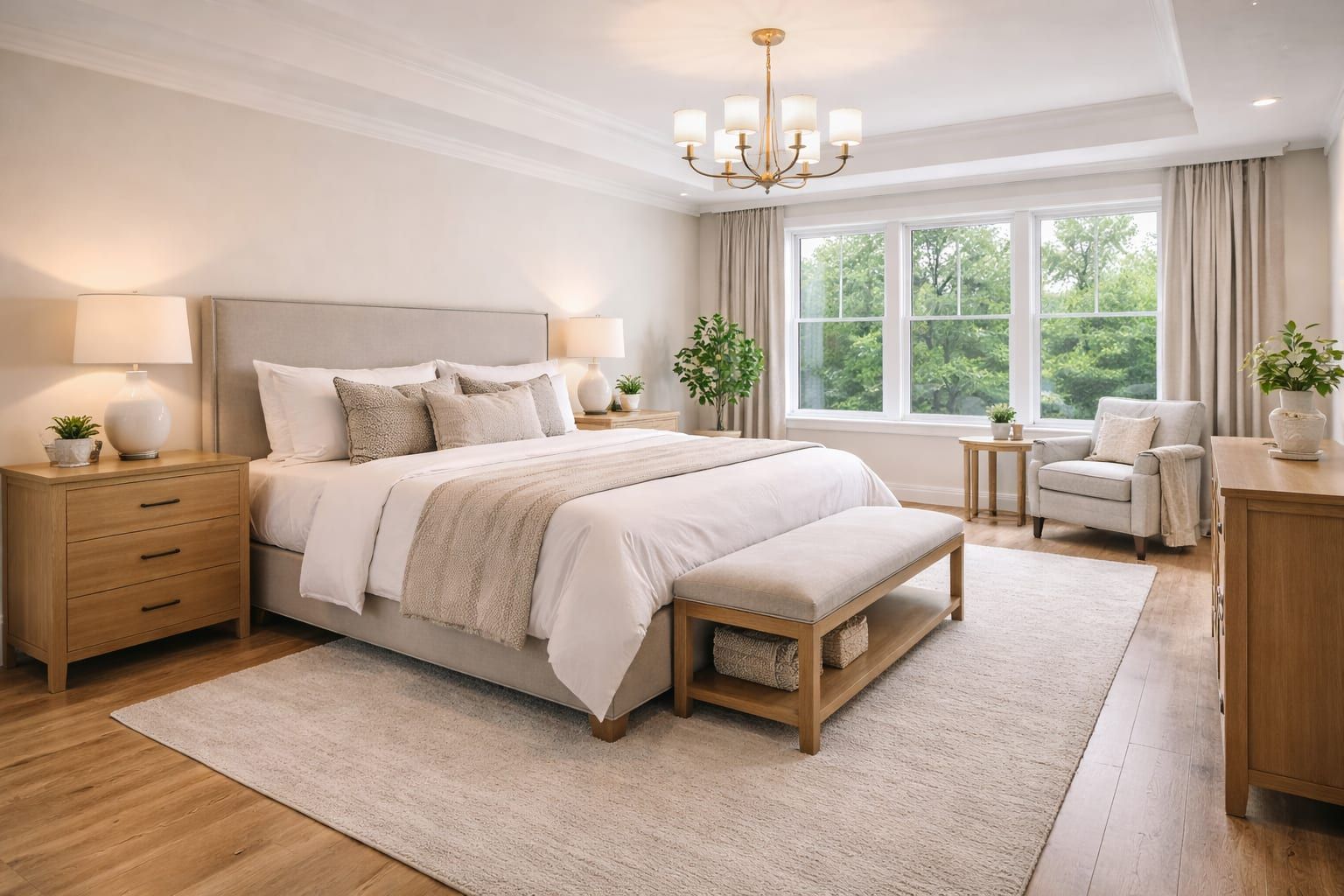
We plan the order of work so finish layers do not fight each other. Clean edges, clean transitions, and fewer touch-ups at the end.
We plan the order of work so finish layers do not fight each other. Clean edges, clean transitions, and fewer touch-ups at the end.
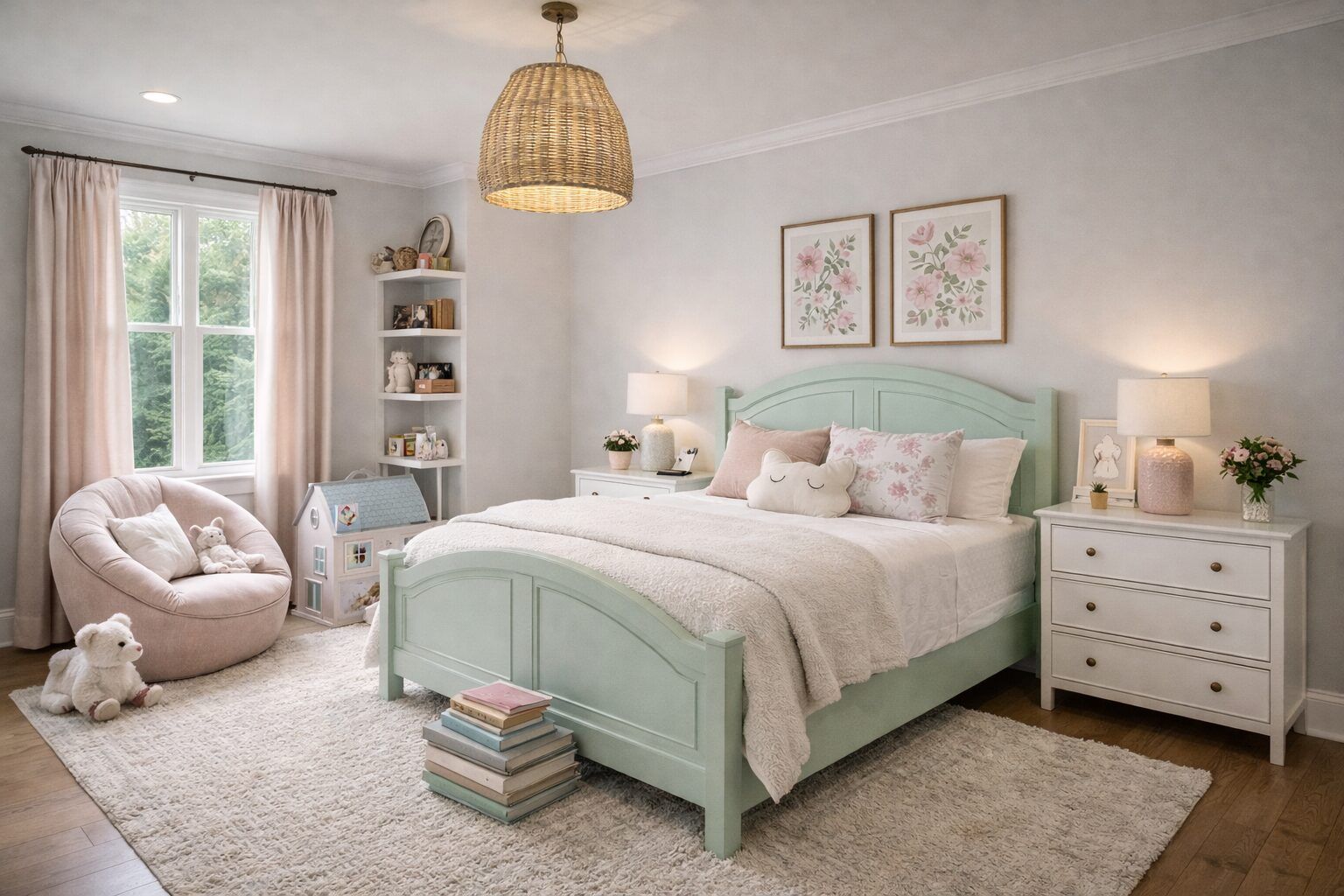
Edges, profiles, and terminations are decided before install day. That avoids last-minute guesswork and keeps the finish looking intentional.
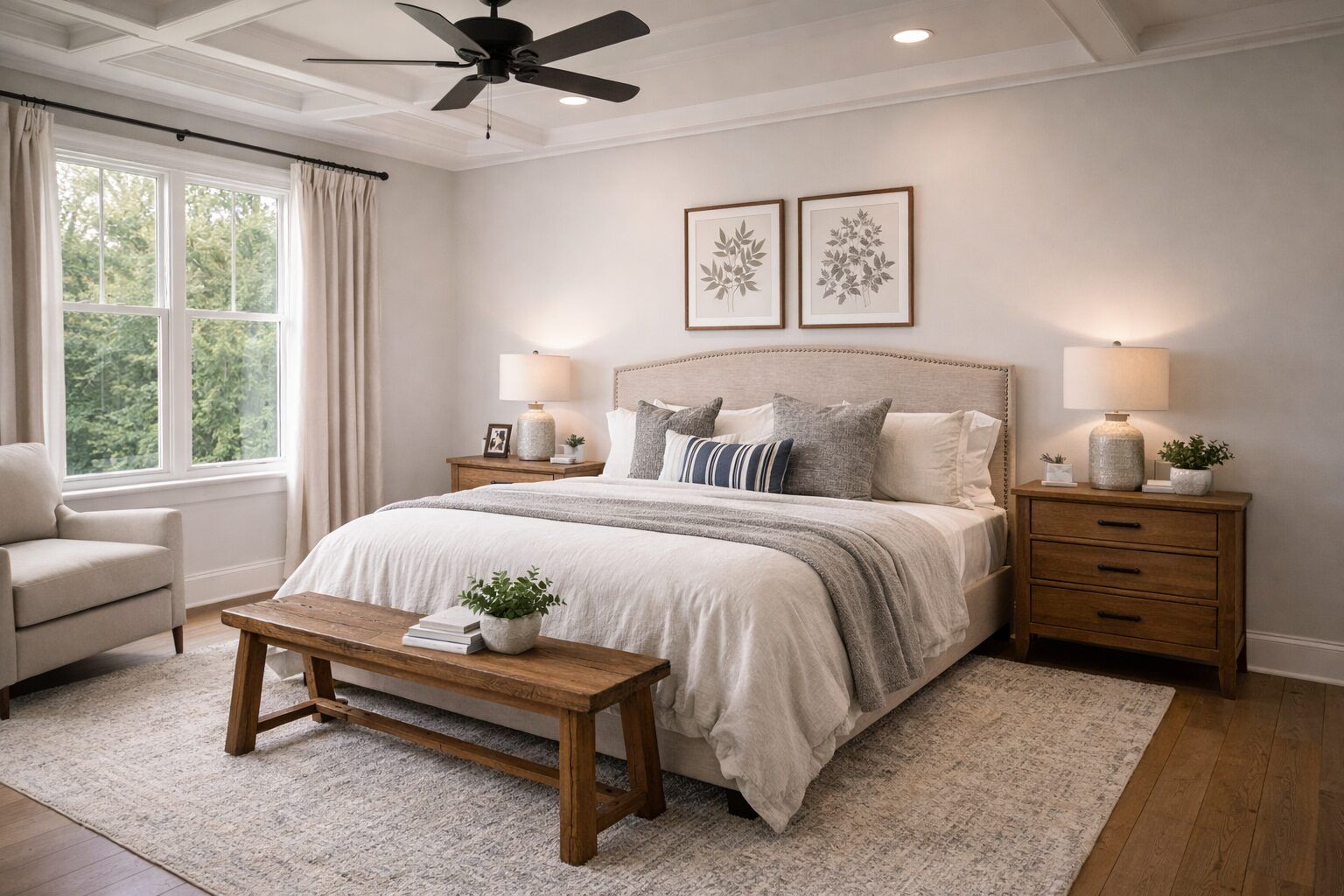
We confirm what is included, what is not, and what affects the estimate so you can plan timing and materials with confidence.
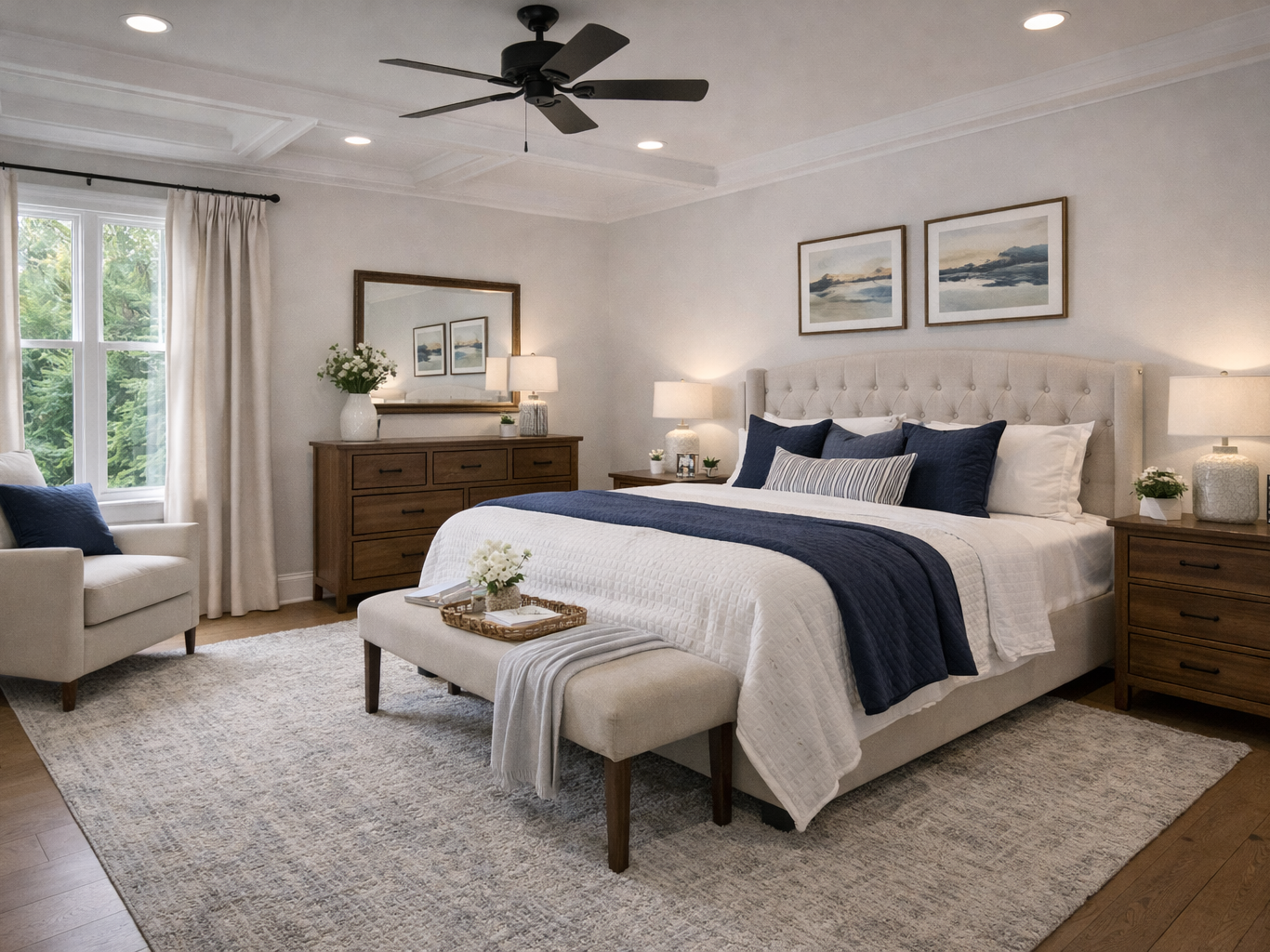
We plan access, protection for adjacent surfaces, and cleanup expectations before work begins so finishes stay controlled and the job site stays predictable.
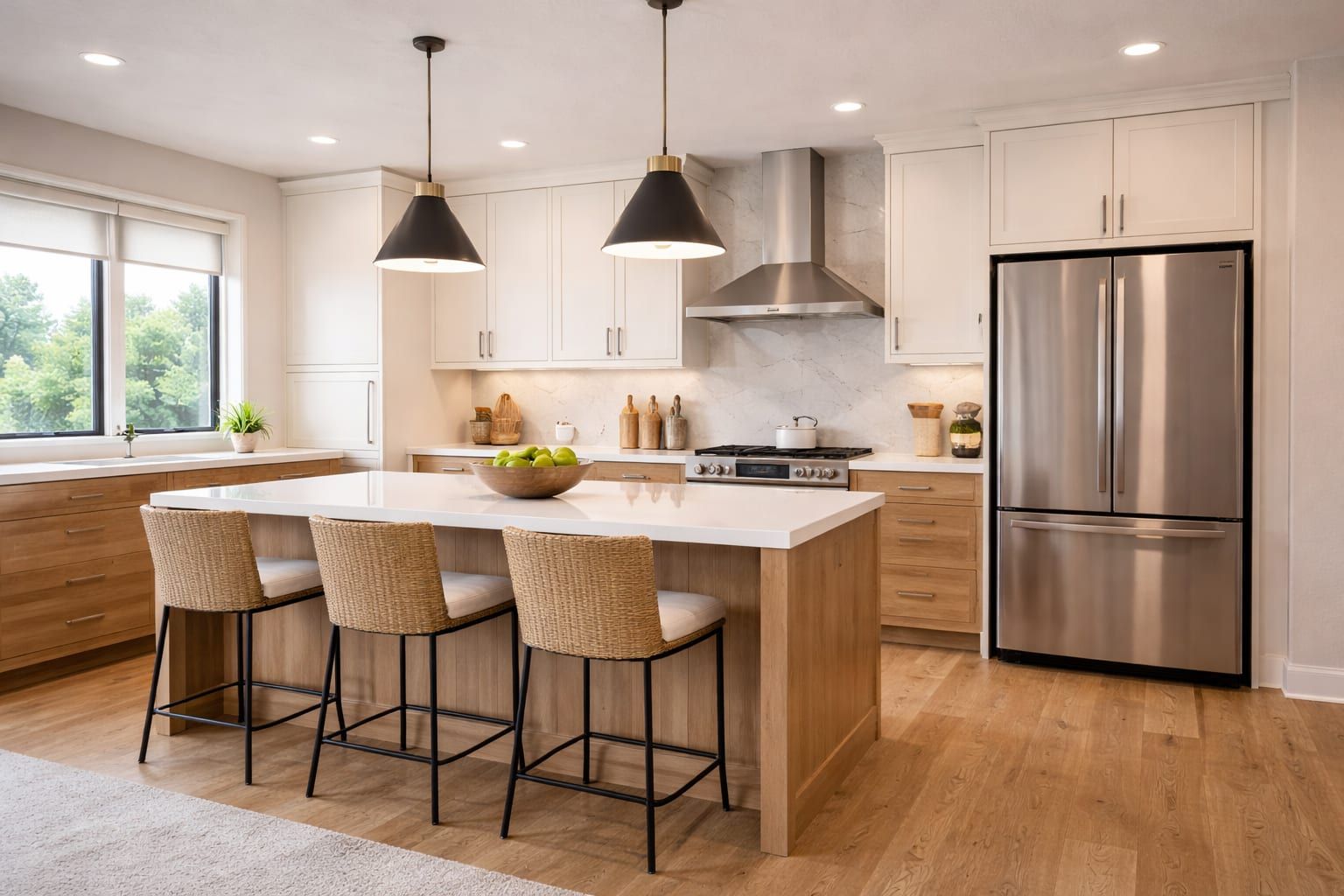
Photos, rough measurements, product links, and timing notes usually give us enough to confirm fit and the next step without unnecessary back-and-forth.

Let us know what has to stay usable, what deadlines matter, and any access limits so the work can be planned around the real constraints of the space.
These are the details that usually affect prep work, materials, and timing for painting in Lexington, KY.
A good paint job starts with a clear plan: what surfaces are included (walls, ceilings, trim, doors, cabinets) and what level of repair is expected.
We focus on even sheen, straight cut lines, and patches that do not flash in daylight. Prep work (cleaning, patching, sanding, caulking, primer) is what separates pro paint from cheap paint.
Interior painting includes full repaints, single rooms, trim and doors, cabinet painting, and move-in/move-out refreshes. Exterior painting covers siding, trim, doors, shutters, fences, and small structures.
Sheen strategy matters. We can help you choose what cleans well without highlighting every bump. Flat for ceilings, eggshell or satin for walls, semi-gloss for trim and doors.
Occupied homes are fine. We stage the work so key rooms stay usable and surfaces stay protected. Dry time and cure time are different - we will tell you when a room can be used and when it can be cleaned normally.
For a clear quote, send the room list, rough sizes, and photos of repairs, stains, and trim or door details. Include your timeline and whether the home is occupied.
These services are commonly coordinated with painting work in Lexington, KY. Use them to plan project details and sequencing across rooms.
These notes cover the decisions that most often change the estimate: prep, edges, transitions, and coordination with other finishes.
Helpful planning resources that answer common homeowner questions before materials are ordered.
These nearby area pages share planning notes and help visitors confirm service-area fit for remodeling and handyman projects.
If your area is not listed here, use the service area page. Service-area fit is confirmed case by case based on project details and schedule.
Each area page shares planning notes and common project types. Use them to confirm service-area fit before you send details.
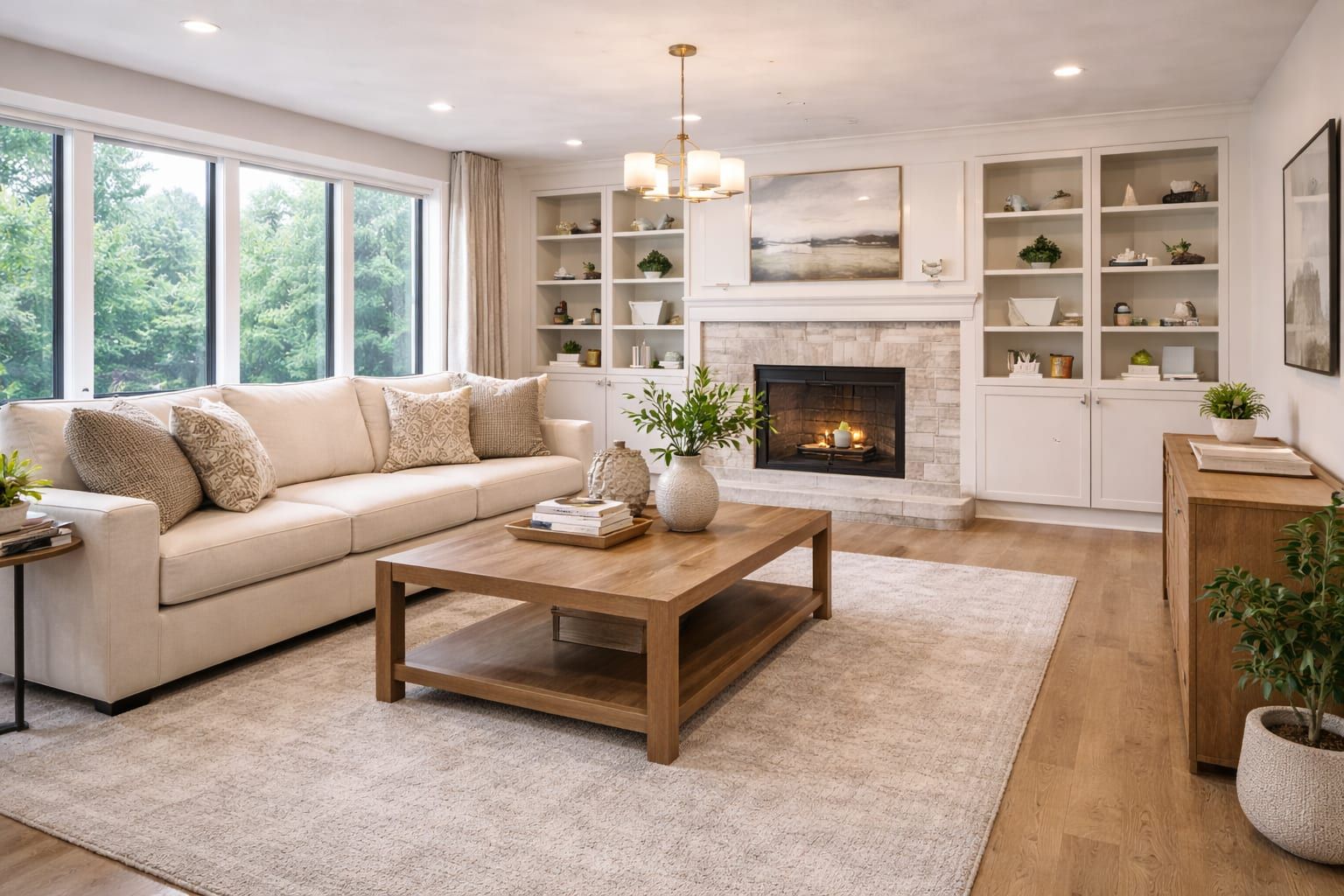
These details are usually enough for a quick fit check and a clear next step.
Short answers about painting in Lexington, KY.
No. If you have a brand/line in mind, share it. If not, tell us the room and use (kids, pets, high-traffic), and we can discuss options.
If possible, clear small items and wall hangings and identify any areas you want addressed (nail holes, scuffs, stains). We will confirm prep during scheduling.
We can often handle common patching and finishing. Share photos and we will confirm what is needed for a smooth result.
Patches show when the surface plane, texture, or porosity is inconsistent. We focus on feathering, sanding, and primer strategy so the finish looks even in real light.
It depends on wall condition, traffic, and cleaning needs. We can help you pick a practical plan so walls look good and hold up to daily use.
Often, yes. Trim and doors are detail work and can add time, but they are a big part of a cohesive finished look. We can confirm details from photos and priorities.
Plan a staged approach. Keep at least one bedroom and bathroom functional, and avoid heavy cleaning or bumping freshly painted surfaces early on.
No. Primer is used when it solves a specific problem like stain blocking, bonding to a slick surface, or equalizing porosity after repairs.
Room list, ceiling height, photos (wide and close-up), and any notes about repairs or stains. If you have a deadline, include it so we can propose a practical sequence.
We handle some exterior work. For full exterior repaints, see Exterior house painting. For smaller exterior work (doors, trim), share photos and we will confirm we can help.
Yes. Lighting and undertones can change how a color reads. If you tell us what is staying in the room (floors, cabinets, counters), we can suggest a practical testing approach.
Stains often require the right primer strategy. If you have water stains, smoke, or tannin bleed, include photos so we can plan stain blocking instead of hoping it disappears under paint.
Project-dependent. Slick surfaces often need cleaning and prep so paint bonds correctly. The right approach depends on what the existing coating is and how it is being used.
If a home was built before 1978, lead paint may be present. Disturbing old paint through sanding or scraping can create hazardous dust. If this applies, include it in your message so planning can be appropriate.
It depends on color change, surface condition, and the paint system. Some color changes cover well, and others need additional coats. A clear plan for primer and topcoats keeps the finish consistent.
Share your remodeling, renovation, or handyman details and timeline, and we will confirm availability and next steps.
Straightforward updates and a focus on alignment, transitions, and a clean final look.
Finish-detail workShare your project details, area, and timeline. We confirm availability and follow up with next steps.
Request a quoteExplore remodeling, handyman, painting, flooring, tile, doors, and finish-detail work.
View services