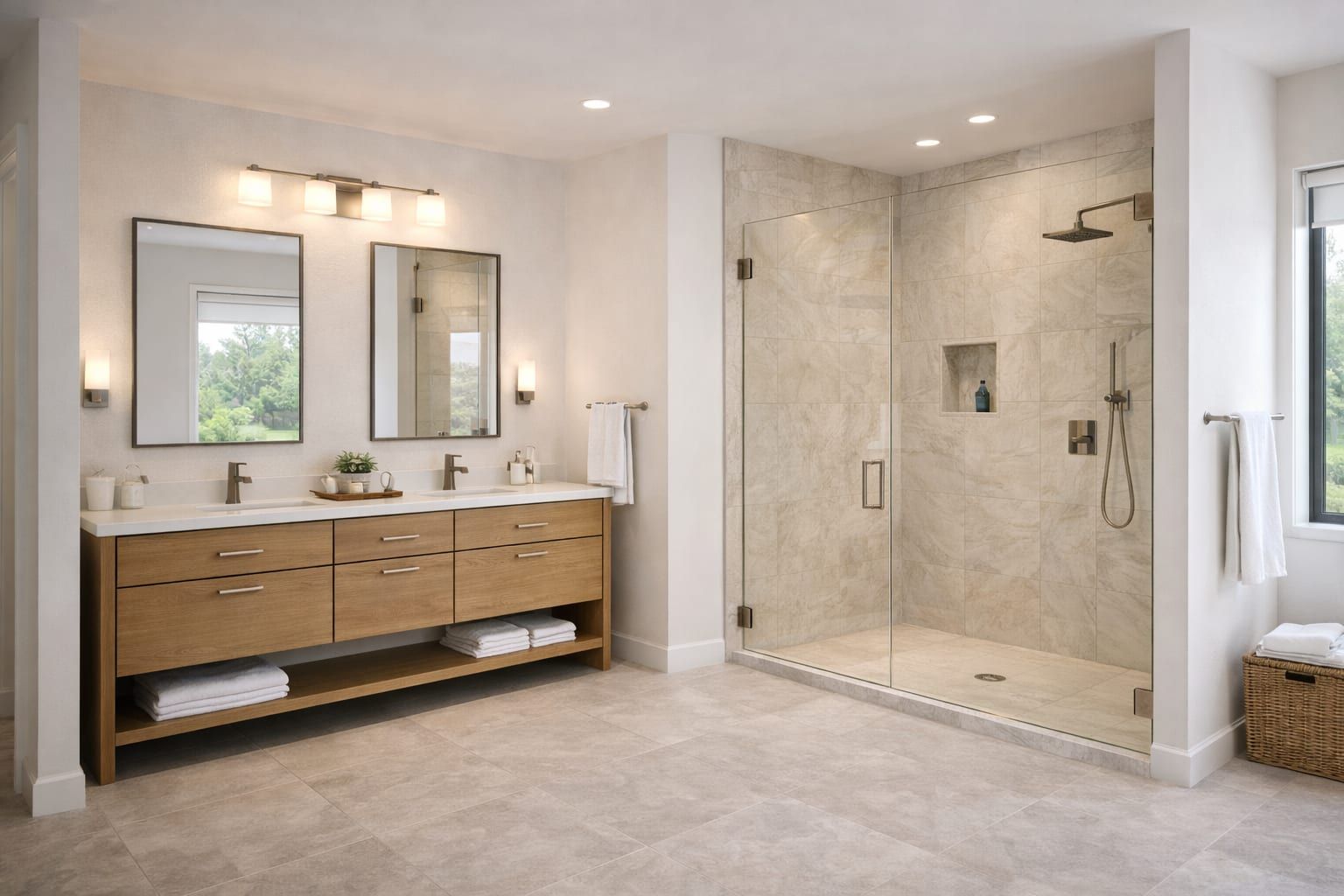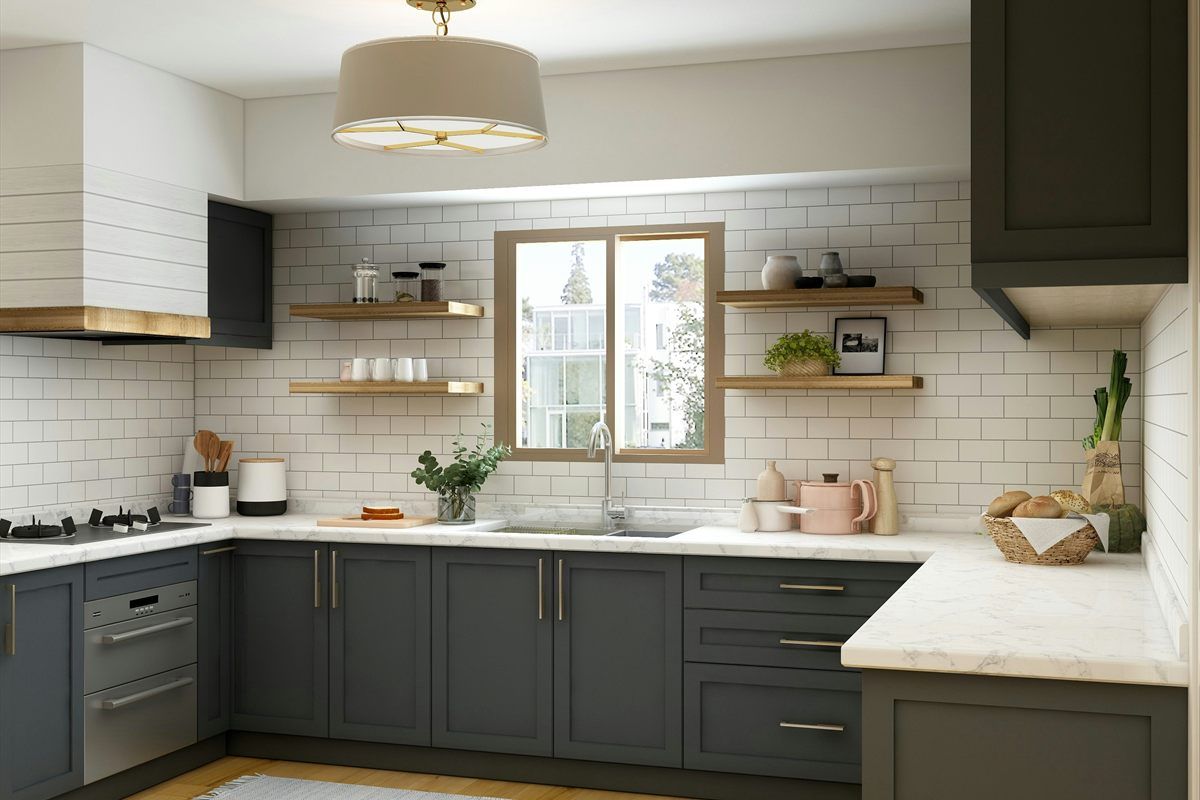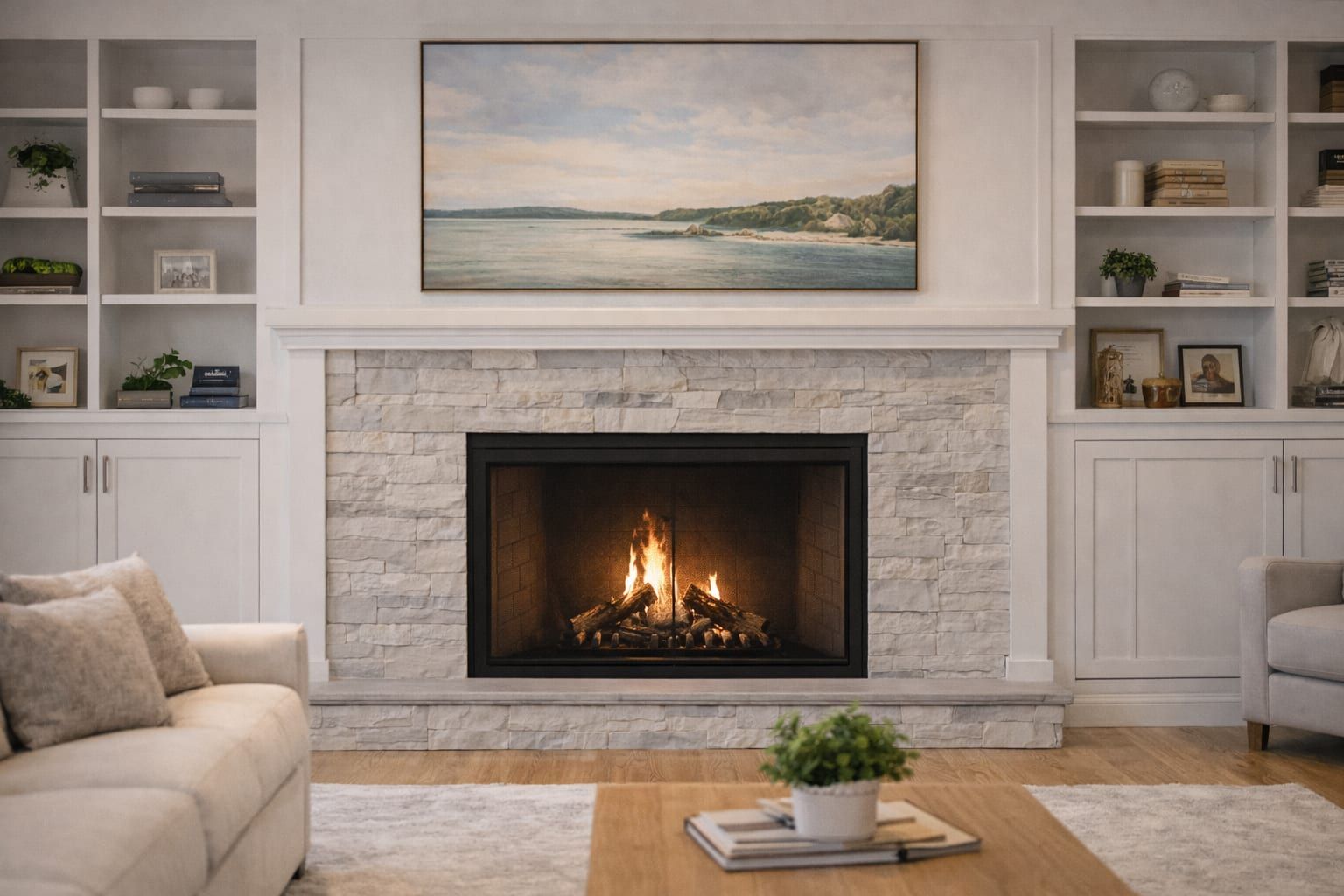
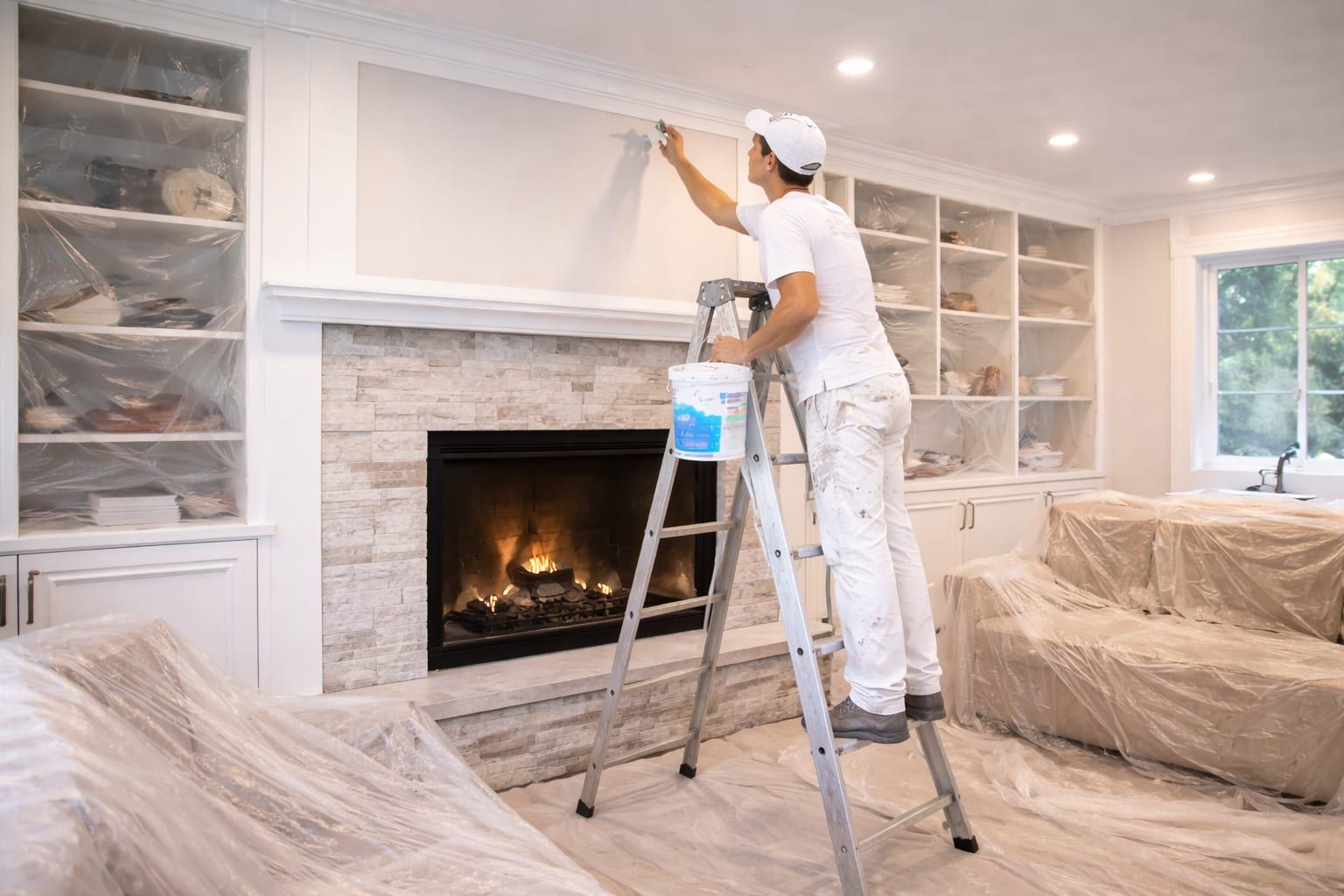
If you are requesting a quote for finish work, the simplest path is a clear description and a few good photos. You do not need perfect measurements or a full material list to start. The goal is to remove guesswork so we can confirm what matters next.
Below is a practical checklist you can copy into a message or use before you submit our contact form.
Quick takeaways
- Start with what’s included. What service, what area, and what is included.
- Send wide photos first. Context beats close-ups.
- Rough measurements are OK. Estimates get better with just a few numbers.
- Product links help. Tile and flooring thickness can change transitions and time.
- Share constraints early. Deadlines, pets, access, and “must stay usable” rooms.
Pro tip: Send 3 photos minimum
Two wide shots for context + one close-up of the main issue. That combination answers most initial questions and keeps the next step straightforward.
0) Why this checklist reduces back-and-forth
Most estimate delays come from missing context. A photo of a crack helps; a photo that shows the whole wall, corner, and trim helps more. “Paint the kitchen” is a start but still missing what’s included.
When you send the right information up front we can: confirm which service fits, spot the biggest estimate drivers (prep, transitions, access), ask fewer follow-ups, and suggest the next step (site visit vs ballpark vs materials conversation).
More on what good estimate details look like: How to read a finish work estimate.
You don't need everything perfect
Rough measurements and a few photos are enough to start. We'll tell you what else matters during follow-up.
1) Start with the basics
Share these first:
- Service: tile, painting, vinyl, door installation, cabinet installation, drywall, or exterior house painting.
- General area: neighborhood/city or a nearby landmark (exact address can come later).
- Timeline: when you want to start and any hard deadlines.
- Access: occupied vs vacant, pets, parking, and any “do not block” areas.
Not sure which service category fits? Describe the work in plain language and we’ll route it.
1a) What’s included examples (so “paint the kitchen” is clearer)
- “Paint kitchen walls only, keep trim as-is.”
- “Paint kitchen walls + ceiling; paint baseboards and window trim too.”
- “Replace vinyl flooring in living room only; keep baseboards.”
- “Install tile backsplash behind sink and range; stop at cabinet line.”
The more you define what’s included, the more accurate the estimate.
2) Photos that actually help (and what to include)
Two types of photos work best:
- Wide shots — whole room, wall, or area.
- Close-ups — damage, edges, transitions.
Tips: Stand back to capture corners and doors. Include transitions (thresholds, stair noses, trim edges). For damage, put a tape measure in the frame. For exteriors, shoot each side plus close-ups of problem areas.
2a) Photo checklist by service (short guide)
- Tile: wide shot of wall/floor + close-ups of edges and transitions.
- Painting: wide shot of each wall + close-ups of repairs, stains, or peeling.
- Vinyl: wide shot of room + each doorway threshold and any stairs.
- Doors: full door from both sides + hinge, latch, threshold close-ups.
- Cabinets: wide photos of each wall/corner + supplier plan if you have it.
- Drywall: wide shot + close-up with tape measure for scale.
- Exterior painting: one wide shot per side + close-ups of peeling/chalking/trim.
If you only send one photo, make it a wide shot.
3) Measurements: “rough” is fine
You do not need a perfect takeoff. Any of these help:
- Rough room size (e.g. “12x14”)
- Approximate square footage
- One wall: length and height (e.g. “10 ft wide, 8 ft tall”)
One number is enough to start; call out anything that adds complexity (stairs, multiple doorways, angled ceilings, lots of outlets).
3a) Measurement tips by service (what helps most)
- Tile floors: rough square footage + notes on transitions.
- Backsplashes: wall length and height (or countertop run length).
- Painting: room size and ceiling height + what’s included (walls only vs trim/doors).
- Vinyl: square footage + number of doorways and stairs.
- Drywall: approximate damage size (e.g. “about 8 inches”) and ceiling height.
Unsure? Start with photos; measurements can come next.
4) Material details (if you have them)
If you’ve already picked materials, send:
- Product link or brand + line + size
- Thickness (especially for flooring transitions)
- Finish or sheen (for paint)
Haven’t chosen yet? Tell us what you’re aiming for (durable, easy to clean, low sheen) and we can say what details we need.
4a) Material details that change the estimate the most
- Tile: size and edge plan (trim vs bullnose).
- Vinyl: thickness and underlayment (transitions and door clearance).
- Paint: sheen and whether stains are present (primer plan).
- Doors: slab vs prehung, frame reuse.
- Cabinets: supplier plan and whether fillers/panels are included.
Product links are the simplest way to answer many of these.
5) Service-specific add-ons (short notes)
Optional. Use when you want to add a bit more detail; skip if you’re in a hurry.
Tile
- Tile size/type and pattern (straight lay, offset, herringbone)
- What’s under the tile now (concrete, plywood, existing tile)
- Edge details (bullnose, schluter, trim)
Painting
- What’s being painted (walls, ceilings, trim, doors)
- Current condition (patching, stains, peeling)
- Color changes and whether you want a crisp cut line
Vinyl flooring
- Click-lock vs glue-down (if known)
- Existing flooring and whether it will be removed
- Transitions (door clearances, adjacent heights)
Door installation
- Slab vs prehung (if known)
- Existing frame condition and trim constraints
- Handing and hardware preferences
Cabinet installation
- Layout notes (or supplier plan)
- Countertop and backsplash timing if part of the project
- Out-of-level walls or floors (if known)
Drywall
- Type and approximate size of damage
- Ceiling height and texture (if known)
- Whether there was water damage
Exterior house painting
- Siding type (if known)
- Problem areas (peeling, chalking, heavy staining)
- Access (height, landscaping, fences)
6) Common reasons estimates get delayed
- Only close-ups, no wide shots
- No timeline or access constraints
- No product info when it matters (e.g. flooring thickness)
- Unclear scope (“paint the kitchen” without walls vs cabinets vs trim)
6a) The simplest way to avoid back-and-forth
Send:
- 3–8 photos (wide first, then close-ups)
- One rough measurement (room size or square footage)
- One sentence on what’s included (“walls only” vs “walls + trim”)
- One sentence on timeline (“no rush” vs “need before move-in”)
That is usually enough to confirm a next step.
7) What happens after you submit
Typical next steps:
- We ask 1–3 clarifying questions (often about what’s included or transitions).
- We request one extra photo angle (usually a wide context shot).
- We suggest a site visit if the estimate depends on conditions photos can’t show.
If we can’t confirm a key detail (e.g. flooring thickness or edge conditions), we’ll say what’s missing so the estimate can be accurate.
8) The simplest message template (copy/paste)
Use this in an email or message:
Service: _
Area: _
Timeline: _
What’s included: _
Measurements: _
Materials (if chosen): _
Photos: attached
When you’re ready: Request a quote.
Planning guides by topic:
Need help planning the next step?
Share photos and rough measurements to get a clear yes/no on fit and the right follow-up.