
Sequencing first
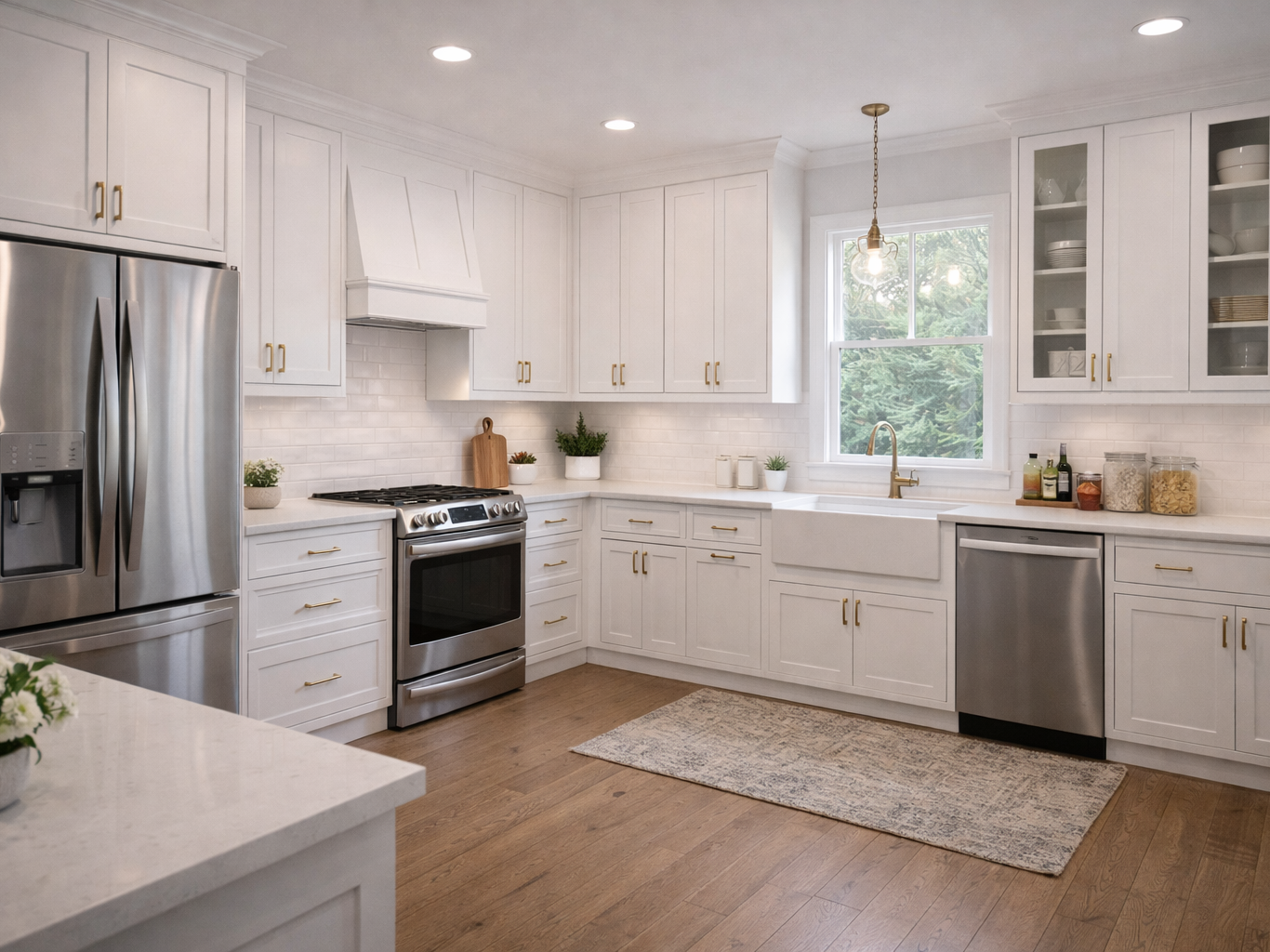
We plan the order of work so finish layers do not fight each other. Clean edges, clean transitions, and fewer touch-ups at the end.
We plan the order of work so finish layers do not fight each other. Clean edges, clean transitions, and fewer touch-ups at the end.
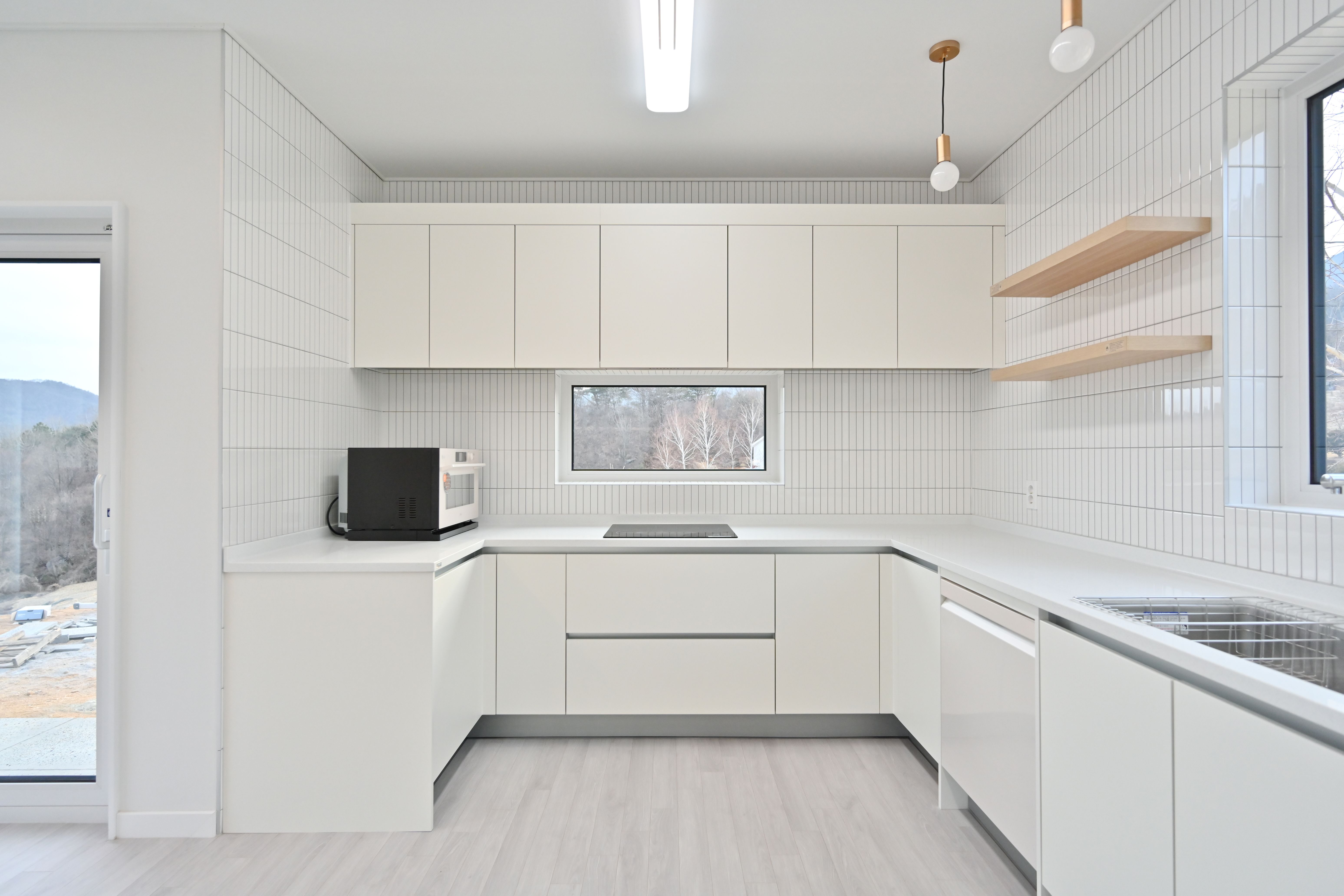
Edges, profiles, and terminations are decided before install day. That avoids last-minute guesswork and keeps the finish looking intentional.
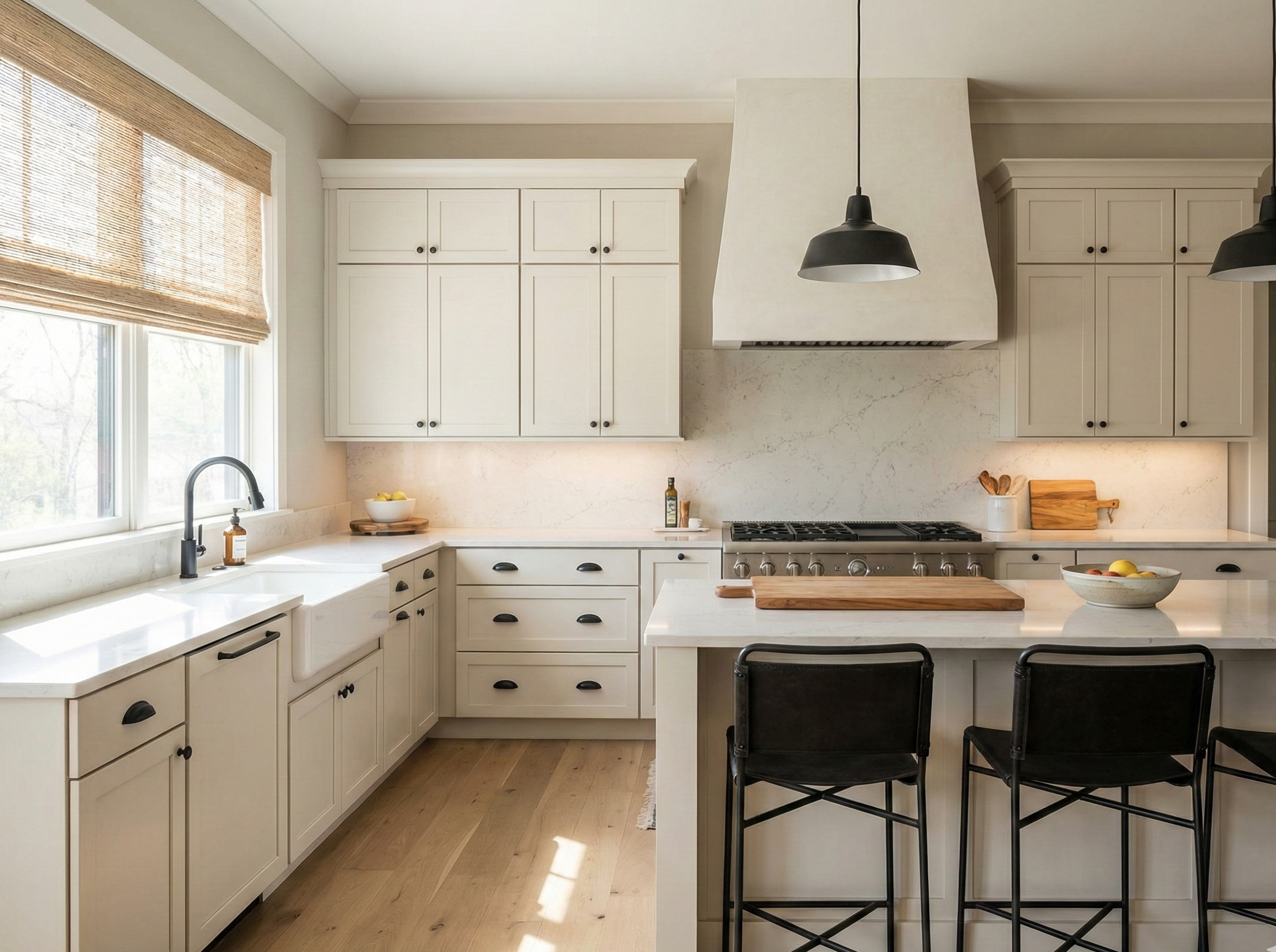
We confirm what is included, what is not, and what affects the estimate so you can plan timing and materials with confidence.
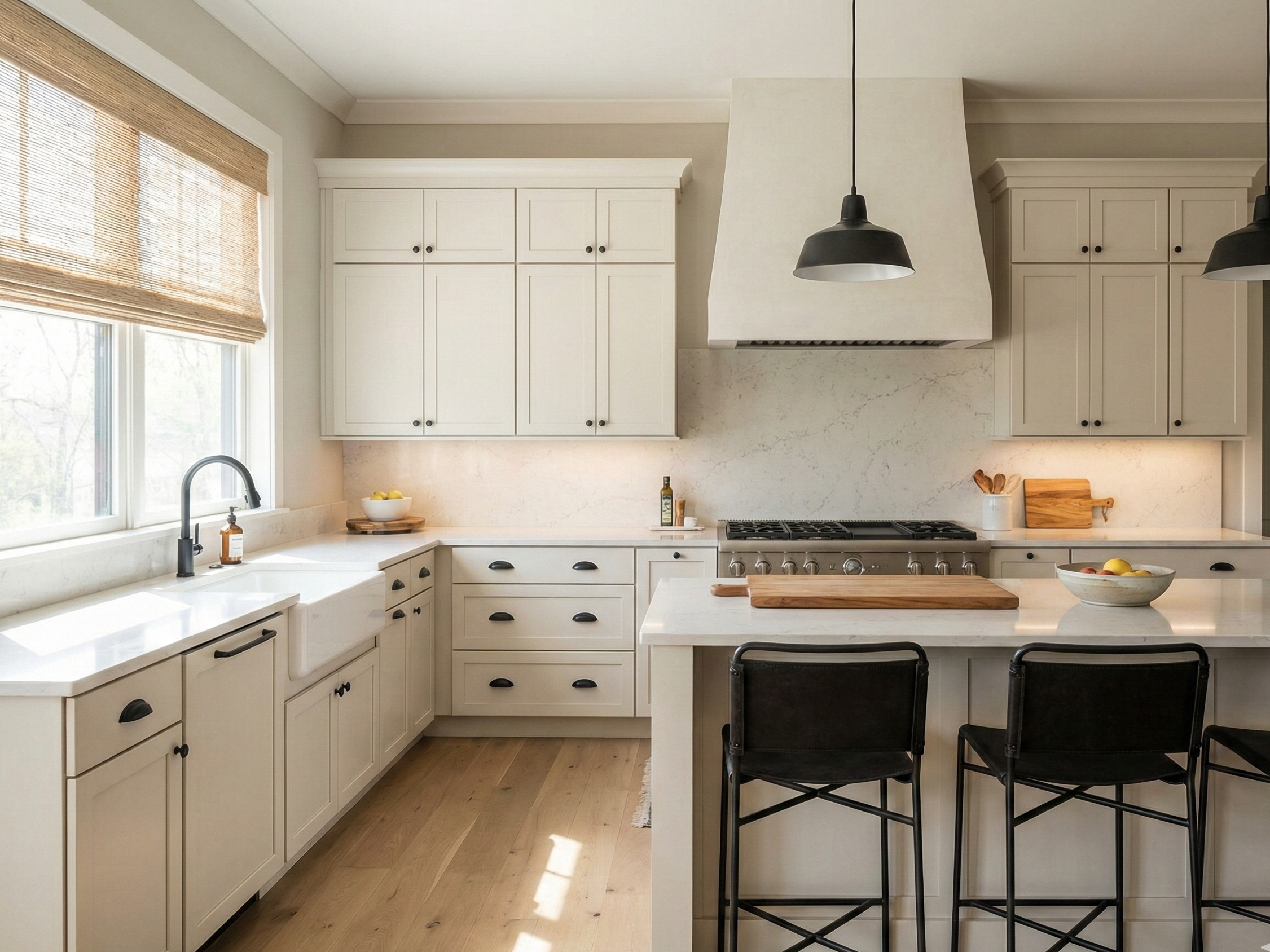
We plan access, protection for adjacent surfaces, and cleanup expectations before work begins so finishes stay controlled and the job site stays predictable.

Photos, rough measurements, product links, and timing notes usually give us enough to confirm fit and the next step without unnecessary back-and-forth.

Let us know what has to stay usable, what deadlines matter, and any access limits so the work can be planned around the real constraints of the space.
These are the details that usually affect prep work, materials, and timing for cabinet installation in Lexington, KY.
Cabinets set the lines of the room. We focus on level runs, consistent reveals, and doors and drawers that operate smoothly.
Real walls and floors are rarely perfect. Shimming, scribing, fillers, and panels are how you get straight finished lines in a real house.
Appliance clearances matter more than most people expect - especially corners, fridge doors, and dishwasher openings.
If counters and backsplash are part of the plan, timing matters. We coordinate the sequence so finished edges stay clean.
If existing cabinets feel "off," a reset can often fix rubbing doors, uneven gaps, or drawers that do not glide.
For a clear quote, send your layout (or supplier plan), photos of the space, and any constraints (soffits, uneven floors, appliance specs).
These services are commonly coordinated with cabinet installation work in Lexington, KY. Use them to plan project details and sequencing across rooms.
These notes cover the decisions that most often change the estimate: prep, edges, transitions, and coordination with other finishes.
Helpful planning resources that answer common homeowner questions before materials are ordered.
These nearby area pages share planning notes and help visitors confirm service-area fit for remodeling and handyman projects.
If your area is not listed here, use the service area page. Service-area fit is confirmed case by case based on project details and schedule.
Each area page shares planning notes and common project types. Use them to confirm service-area fit before you send details.
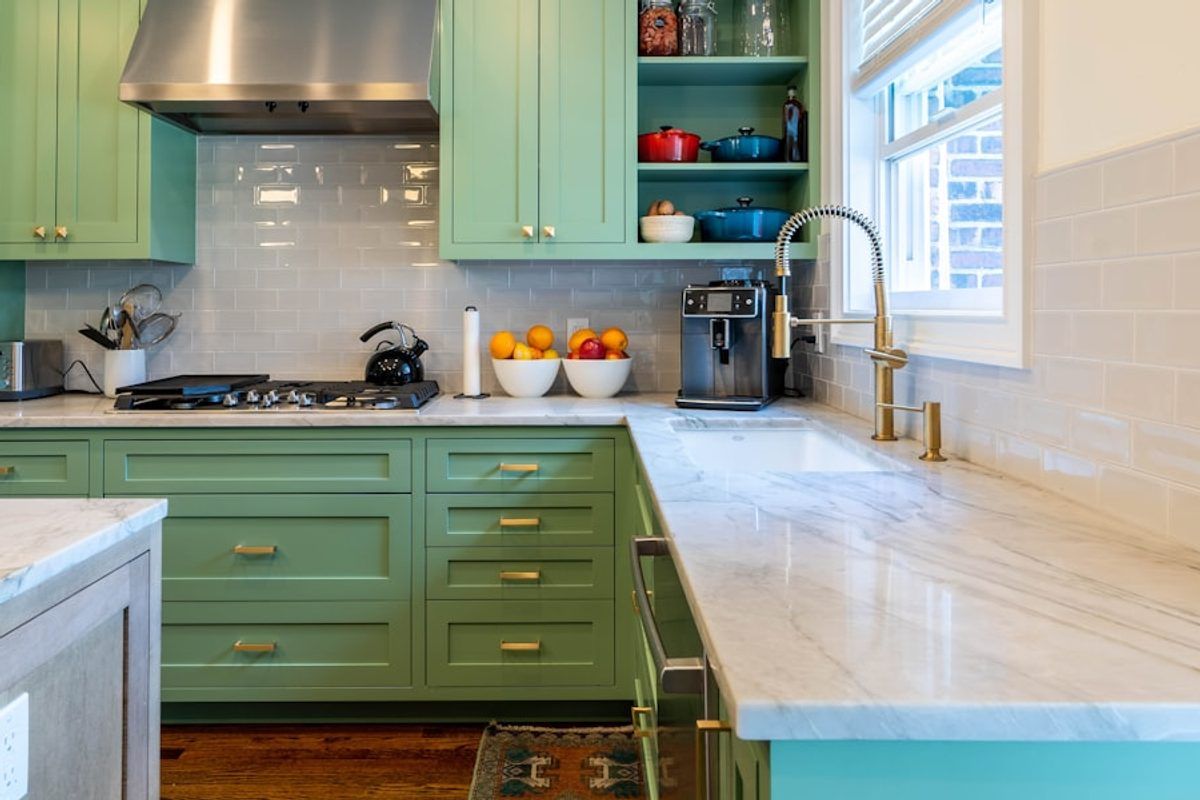
These details are usually enough for a quick fit check and a clear next step.
Short answers about cabinet installation in Lexington, KY.
A basic layout, cabinet count, and photos of the space. If you have a supplier plan, that is usually enough to start.
No, but uneven walls or floors change how we plan shims, scribing, and filler pieces. We can account for this once we see the space.
The sequence depends on the project. Tell us what you are doing (counters, backsplash, floors), and we will outline a clean order of work.
They solve clearances and finish exposed sides so the run looks intentional. Fillers are often the difference between 'installed cabinets' and a built-in look.
Project-dependent. If doors and drawers are misaligned or the run needs resetting, share photos and we will confirm what is realistic.
Room conditions and coordination with other trades. Uneven floors, soffits, appliance constraints, and counter or backsplash timing can add steps.
It helps. Hardware placement affects usability and can reduce extra patching and touch-ups later, especially if painting is part of the project.
Countertop thickness and overhang affect clearances and backsplash planning. If the counter is not selected yet, we plan with flexible assumptions and confirm before final steps.
Supplier layout (if available), cabinet count, room photos, and notes about counters and appliances. That usually gets us to a clear next step without back-and-forth.
Yes. Cabinet installs touch edges and lines. Coordinating tile and paint sequencing helps the finished space look crisp and intentional.
Project-dependent. Fillers and panels are often part of getting a clean finish. If a built-in look matters to you, include that goal so these items are planned up front.
Confirm the layout, appliance specs, and any soffit or ceiling constraints. Clearing access and having the supplier plan available reduces delays and keeps the install focused.
Often, yes. Shimming and establishing a level reference line are standard parts of cabinet work. The goal is straight visual lines, even if the room is imperfect.
Corner conditions affect usability. Planning clearances and filler width is often the cleanest way to prevent doors and drawers from colliding in daily use.
Supplier layout, cabinet count, room photos, and any notes about counters and appliances. That usually provides enough detail to confirm the next step without back-and-forth.
Share your remodeling, renovation, or handyman details and timeline, and we will confirm availability and next steps.
Straightforward updates and a focus on alignment, transitions, and a clean final look.
Finish-detail workShare your project details, area, and timeline. We confirm availability and follow up with next steps.
Request a quoteExplore remodeling, handyman, painting, flooring, tile, doors, and finish-detail work.
View servicesRequest a quote
Share the space, timing, photos, and what you want done. We will review the details and confirm the best next step.
Before You Go
Send a quick request before you leave — we will follow up with the next best step.