
Skip to content

Request a quote

Include: service, areas, timeline, photos.

Click to upload photos, videos, or PDFs (up to 5 files, 10MB each)

Licensed & insured • Locally owned in Central KY

Carpenter working on finish trim and built-ins.

Sequencing first

We plan the order of work so finish layers do not fight each other. Clean edges, clean transitions, and fewer touch-ups at the end.

Carpenter installing trim and built-in features.

Finish-detail planning

Edges, profiles, and terminations are decided before install day. That avoids last-minute guesswork and keeps the finish looking intentional.
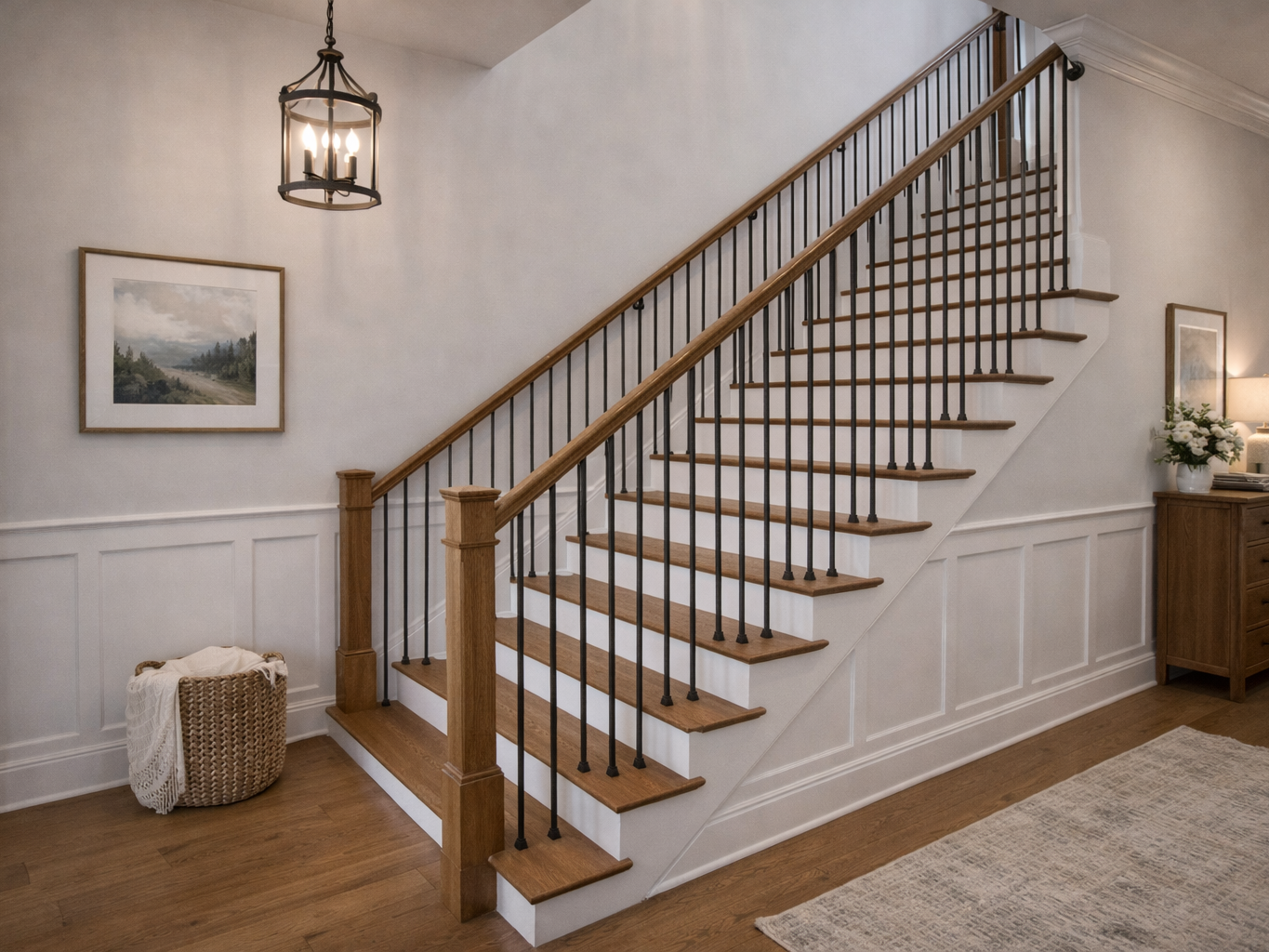
Staircase with natural wood detailing.

Clear project details

We confirm what is included, what is not, and what affects the estimate so you can plan timing and materials with confidence.
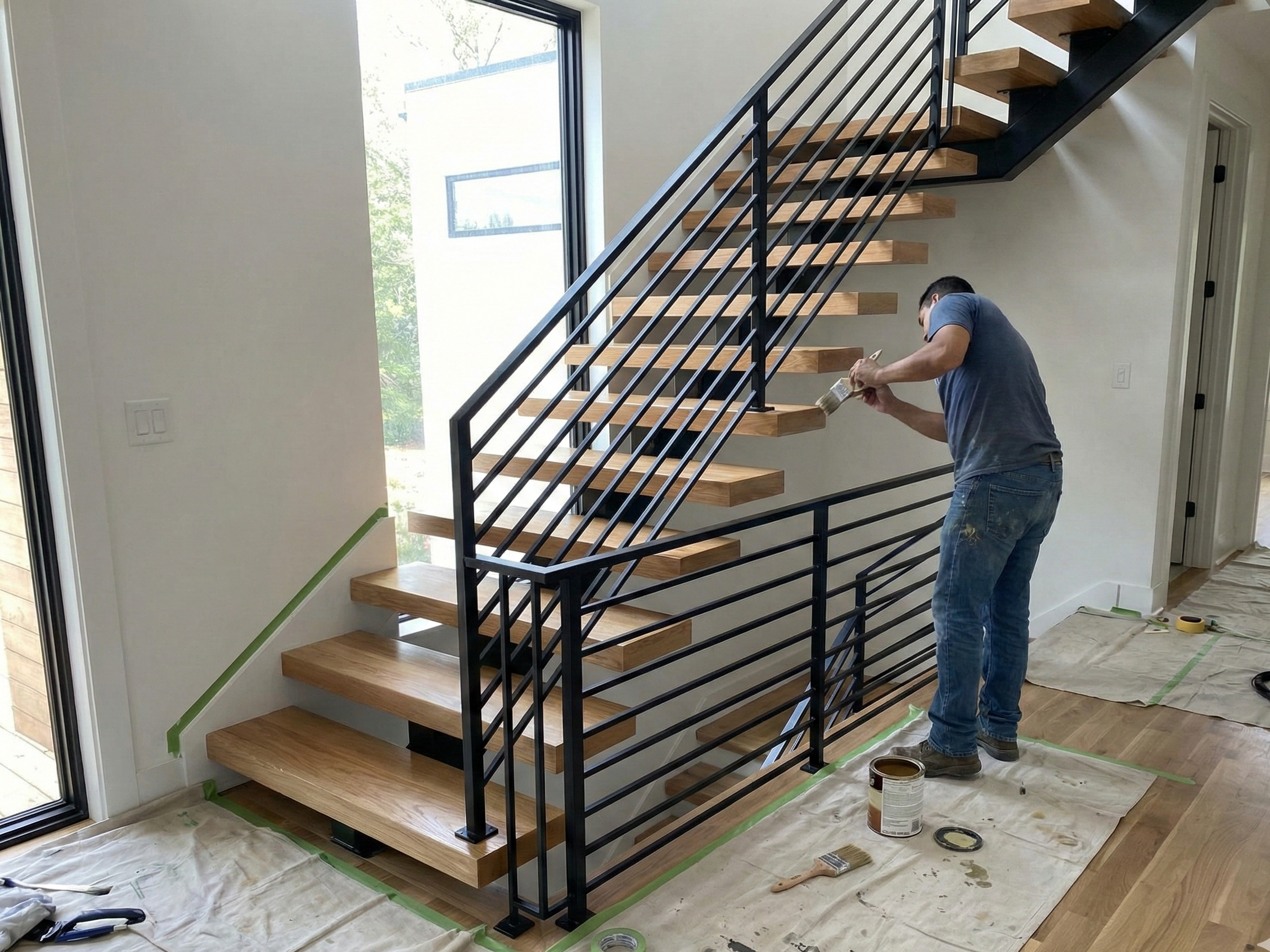
Floating staircase with a black metal railing.

Prep and protection

We plan access, protection for adjacent surfaces, and cleanup expectations before work begins so finishes stay controlled and the job site stays predictable.

Handyman installing plumbing connections.

What to send

Photos, rough measurements, product links, and timing notes usually give us enough to confirm fit and the next step without unnecessary back-and-forth.
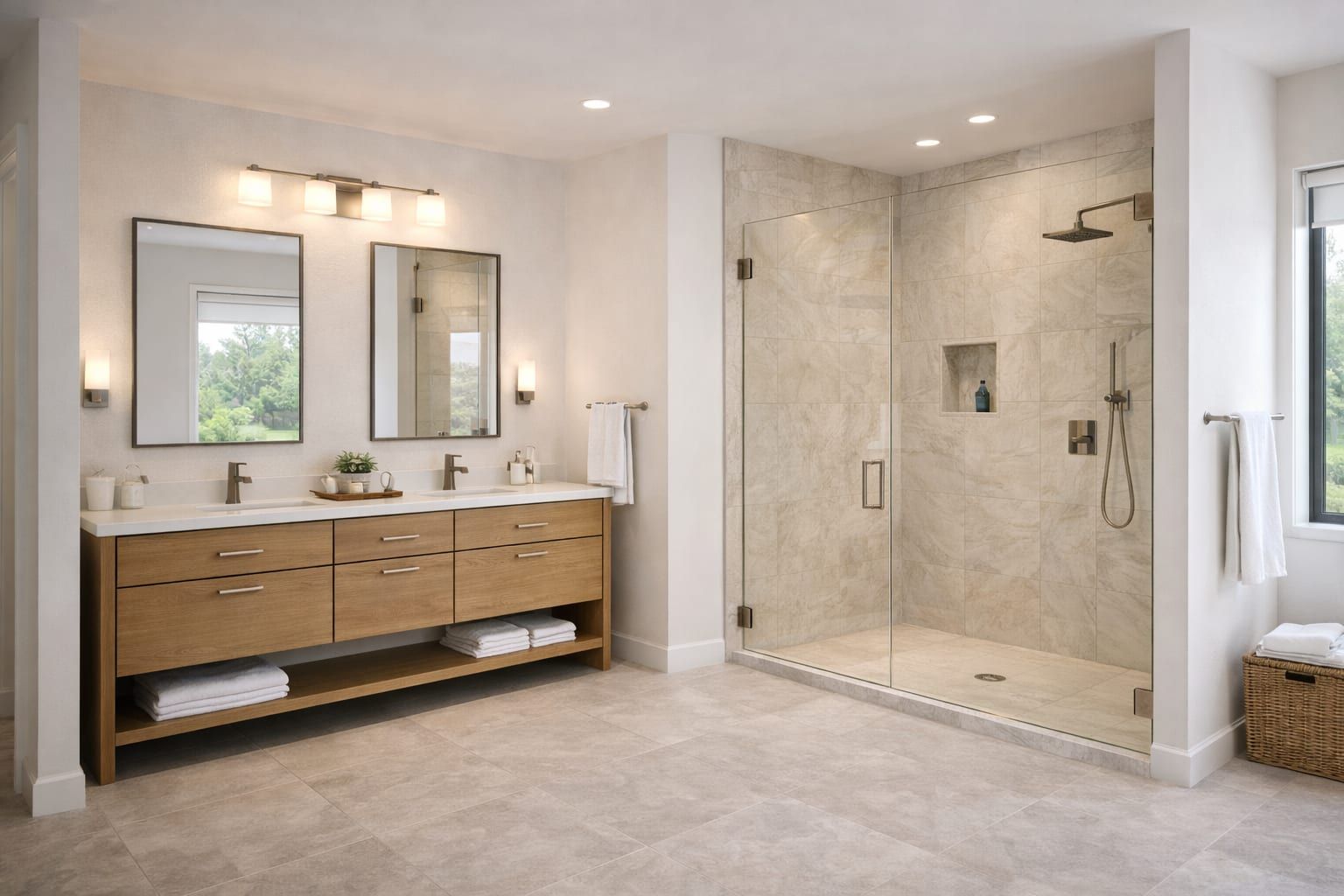
Modern bathroom with an oak vanity and clean lines.

Timeline + access

Let us know what has to stay usable, what deadlines matter, and any access limits so the work can be planned around the real constraints of the space.

What usually matters most for carpentry in Lexington, KY

These are the details that usually affect prep work, materials, and timing for carpentry in Lexington, KY.

Carpentry covers a broad range - from finish details like baseboards and crown molding to rough framing for layout changes and built-in features.

Finish carpentry is where visible details matter: tight miter joints, consistent reveals, and clean transitions between materials.

Rough carpentry includes non-structural framing, blocking, and support work that sets up clean finishes for drywall, tile, and built-ins.

Built-ins and custom features (shelving, closet systems, mudroom benches) add function and feel when planned with clear measurements and access.

Exterior carpentry addresses rot repair, fascia/soffit work, and porch/deck repairs that protect the structure and improve curb appeal.

For a clear quote, send photos of the space, measurements if available, and describe the goal (repair, replace, add new).

Common carpentry requests

  • Baseboards, casing, crown molding (install/replace)
  • Interior door installation and hardware
  • Built-in shelving and closet systems
  • Accent walls (shiplap, board-and-batten, slat wall)
  • Wainscoting and chair rail
  • Stair trim, handrails, and balusters
  • Exterior trim repair (fascia, soffit, rot repair)
  • Blocking for TV mounts, grab bars, and shelving
  • Mudroom benches and coat hooks
  • Fireplace surrounds (non-gas line work)

Related remodeling services

These services are commonly coordinated with carpentry work in Lexington, KY. Use them to plan project details and sequencing across rooms.

Door Installation

Door installation and adjustments for smooth swing, clean reveals, and latching.

Painting

Interior painting with smooth coverage, clean cut lines, and protected surfaces.

Drywall

Drywall repair and finishing that blends smoothly after paint.

Planning details

These notes cover the decisions that most often change the estimate: prep, edges, transitions, and coordination with other finishes.

Finish carpentry and trim packages

Finish carpentry includes baseboards, casing, crown molding, chair rail, wainscoting, and decorative details like board-and-batten or coffered ceiling trim. The goal is clean lines, tight joints, and consistent reveals that make a room feel intentional.

Material selection matters. MDF is cost-effective and paint-ready. Solid wood can be stained or painted but requires more care with expansion and fastening. Primed boards reduce on-site prep time.

Sequencing with paint is critical. Most finish carpentry is installed after drywall and before final paint. Caulk, fill, and prime strategy should be planned to avoid rework and keep edges crisp.

Short checklist

  • Trim style and profile (baseboards, casing, crown, etc.)
  • Material preference (MDF, primed pine, solid wood)
  • Room list and approximate linear footage
  • Paint coordination and finish expectations
  • Accent wall details (shiplap, board-and-batten, slat wall)

Built-ins, storage, and custom features

Built-ins add function and a custom feel when planned with accurate measurements and clear goals. Common projects include closet systems, mudroom benches, built-in shelving, and fireplace surrounds.

Measurements drive fit. Out-of-square walls and uneven floors are common, so planning for scribing, fillers, and adjustments keeps built-ins looking intentional rather than forced.

Hardware, finishes, and sequencing matter. If the built-in will be painted, plan paint timing. If it includes drawers or doors, hardware selection and placement should be confirmed before installation.

Short checklist

  • Built-in type and location
  • Rough measurements and photos of the space
  • Material and finish preferences
  • Hardware needs (hooks, rods, drawer slides, etc.)
  • Coordination with other trades (paint, electrical)

Rough carpentry and framing support

Rough carpentry includes non-structural framing for small layout changes, blocking for grab bars and TV mounts, soffit framing, and subfloor repairs. The goal is to set up clean surfaces and solid backing for finish work.

Blocking is often overlooked until it is needed. TV mounts, towel bars, grab bars, and heavy shelving need solid backing. Planning blocking locations early avoids drywall rework later.

Subfloor issues (squeaks, soft spots, unlevel areas) should be addressed before flooring or tile goes down. Localized repairs can often solve common problems without major tearout.

Short checklist

  • Framing work (layout changes, soffits, access panels)
  • Blocking needs (TV mounts, grab bars, shelving)
  • Subfloor concerns (squeaks, soft spots, level)
  • Coordination with drywall, flooring, and tile
  • Code and permit considerations (as applicable)

Exterior carpentry and repairs

Exterior carpentry includes fascia/soffit repair, rot repair, siding patch support, porch posts and railings, and small structures like pergolas or sheds. The goal is to protect the structure and improve curb appeal.

Rot repair is common in older homes. Identifying the source (water intrusion, poor flashing, lack of ventilation) is as important as the repair itself. Proper flashing, caulking, and paint prep prevent recurrence.

Porch and deck repairs often require engineering review for structural changes. Non-structural repairs (railings, decking, stairs) can usually proceed without formal plans, but safety and code compliance are priorities.

Short checklist

  • Exterior area and repair work
  • Photos of the damage or area to be addressed
  • Water intrusion concerns (flashing, caulking, drainage)
  • Paint and finish coordination
  • Code and permit requirements (for structural changes)

Related guides

Helpful planning resources that answer common homeowner questions before materials are ordered.

More planning guides

Browse the full guide library for planning notes, sequencing tips, and quote-prep checklists.

Nearby areas

These nearby area pages share planning notes and help visitors confirm service-area fit for remodeling and handyman projects.

If your area is not listed here, use the service area page. Service-area fit is confirmed case by case based on project details and schedule.

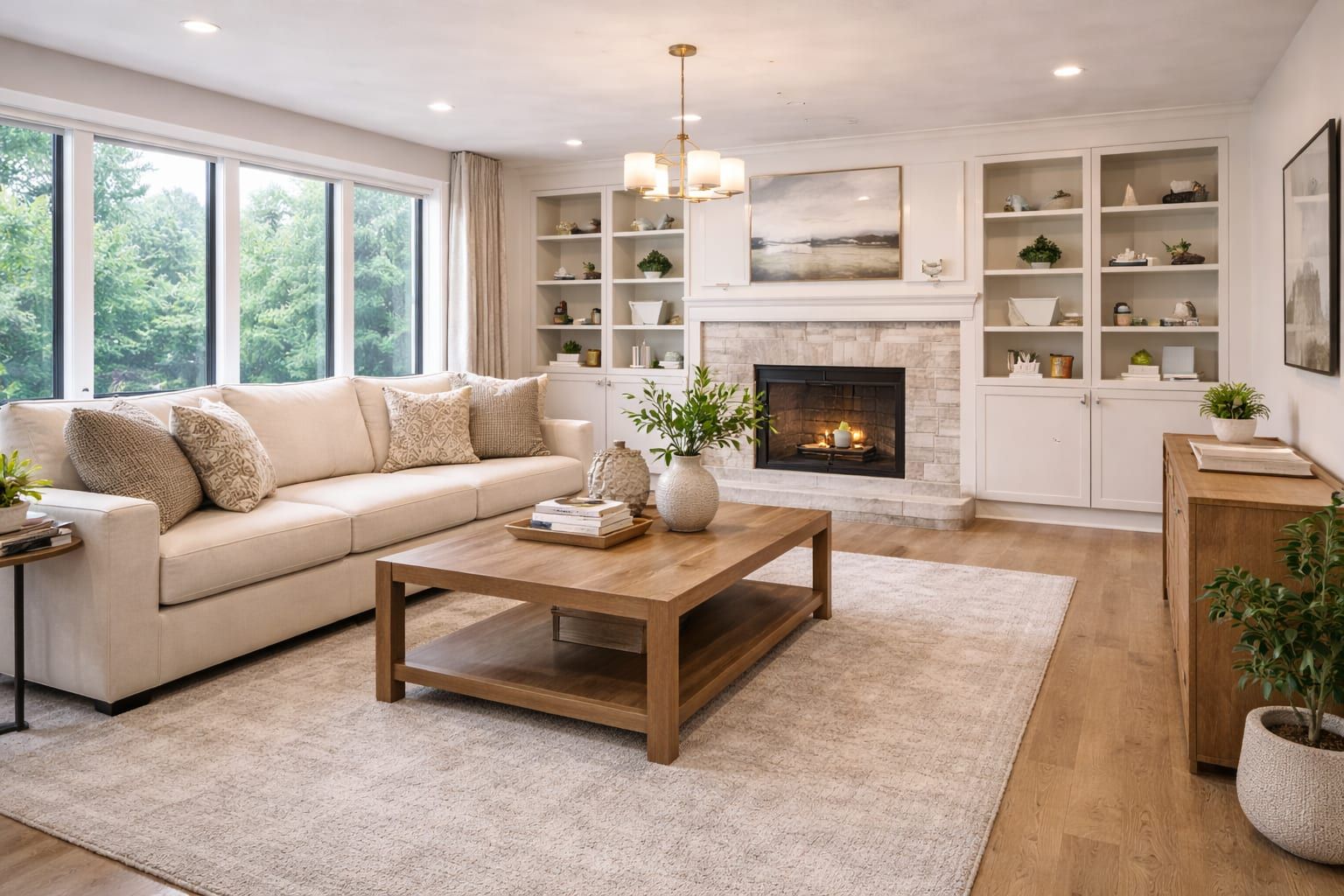
Living room with warm accents and clean trim lines.

What to send

These details are usually enough for a quick fit check and a clear next step.

  • City or neighborhood
  • 2-4 photos (wide shots plus close-ups of edges and transitions)
  • Rough measurements (even estimates help)
  • Material links if selected (tile size, vinyl thickness, door type)
  • Timeline and any access constraints

Carpentry FAQs

Short answers about carpentry in Lexington, KY.

What is the difference between rough and finish carpentry?

Rough carpentry includes framing, blocking, and structural support work that gets covered up. Finish carpentry includes visible trim, molding, doors, and built-ins where joints and details are exposed.

Can you match existing trim profiles?

Often yes. If the profile is standard, we can usually source matching material. If it is custom or historic, we can discuss options like milling custom profiles or blending transitions.

Should trim be installed before or after painting?

Most finish carpentry is installed after drywall and before final paint. Primed trim can reduce on-site prep time. Caulk and fill strategy should be planned to avoid rework.

Do you handle staining and finishing, or just installation?

We can often handle staining and finishing for smaller projects. For large or complex finishing work, we coordinate with painters to ensure a clean result.

Can you build custom built-ins, or do they need to be pre-made?

We can build many custom built-ins on-site. Clear measurements, material preferences, and finish expectations help us quote accurately and plan the build.

What information helps you prepare a carpentry quote?

Photos of the space, approximate measurements, and a description of the goal (repair, replace, add new). If you have material or finish preferences, include them.

Do you handle exterior carpentry and rot repair?

Yes. We address fascia, soffit, trim repairs, and localized rot repair. For extensive structural repairs, we coordinate with engineers and framers as needed.

Can you install blocking for TV mounts and grab bars?

Yes. Blocking should be planned before drywall or tile goes up when possible. If walls are already finished, we can add blocking with localized drywall patching.

Do you install closet systems?

Yes. We install both modular systems (wire, laminate, ventilated) and custom built closet systems. Photos and measurements help us confirm fit and function.

How should I plan trim work if I am also doing flooring or painting?

Baseboards are usually installed after flooring. Most trim goes up before final paint. If you are coordinating multiple trades, tell us the sequence and we can plan accordingly.

What to expect

Share your remodeling, renovation, or handyman details and timeline, and we will confirm availability and next steps.

Details first

We confirm the space, materials, and prep before scheduling.

Our process

Updates + clean finish

Straightforward updates and a focus on alignment, transitions, and a clean final look.

Finish-detail work

Request a quote

Share your project details, area, and timeline. We confirm availability and follow up with next steps.

Request a quote

View services

Explore remodeling, handyman, painting, flooring, tile, doors, and finish-detail work.

View services
Request a quote