Skip to content

Request a quote

Include: service, areas, timeline, photos.

Click to upload photos, videos, or PDFs (up to 5 files, 10MB each)

Licensed & insured • Locally owned in Central KY
Step-by-step

This is the typical flow. Some projects require extra steps (materials, lead times, coordination), and we will confirm that up front.

Step 1

Send details

Tell us the service, general area, and timeline. Add photos and rough measurements when possible.

Step 2

Confirm details

We confirm materials, prep needs, and any constraints that affect schedule or finish quality.

Step 3

Schedule

Once details and timing are aligned, we schedule the next step and confirm what is needed before start.

Step 4

Complete the work

We focus on the details: alignment, transitions, clean edges, and a clear finish.

Step 5

Wrap-up

We confirm the next step (if any), share basic care notes when relevant, and keep follow-up simple.

Service area

Within about 30 miles (roughly a 90-minute drive) of Nicholasville, KY.

If you are outside the area, send your city and we'll confirm.

Finish detail photo highlights

A quick reminder of what drives finish quality: clean edges, consistent coverage, and predictable transitions.

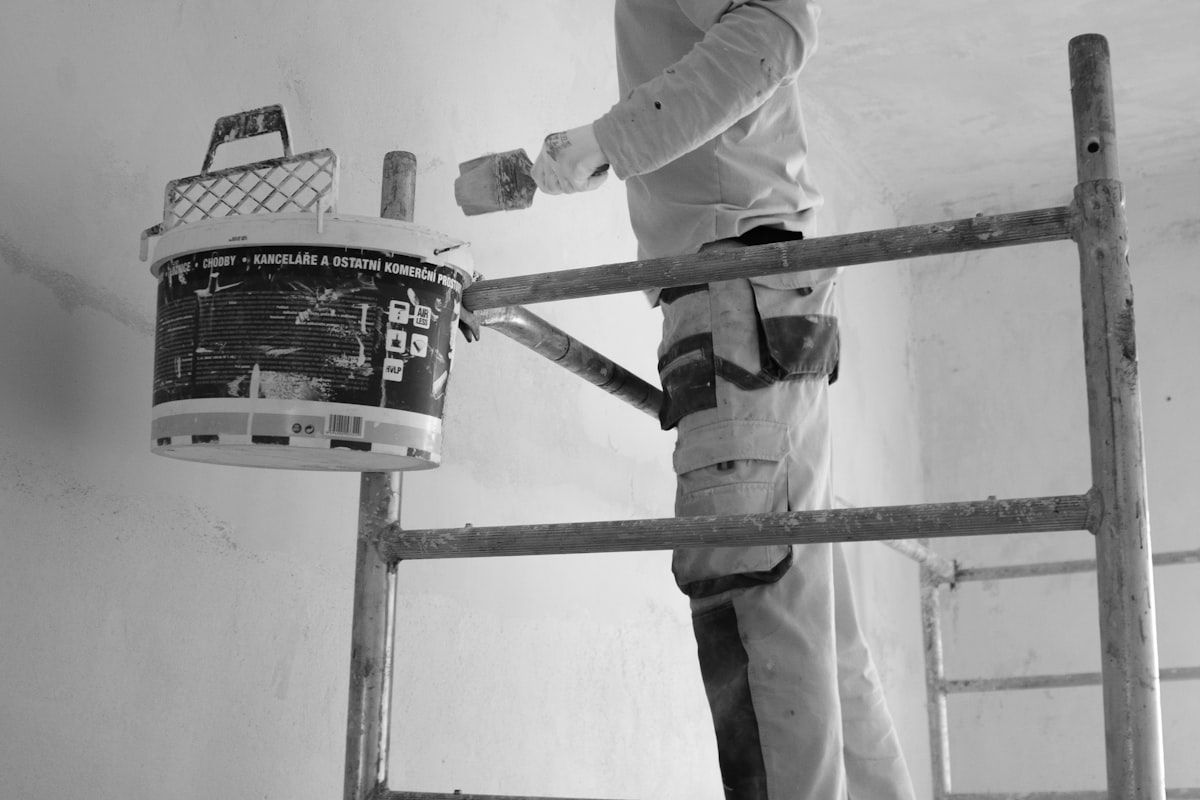
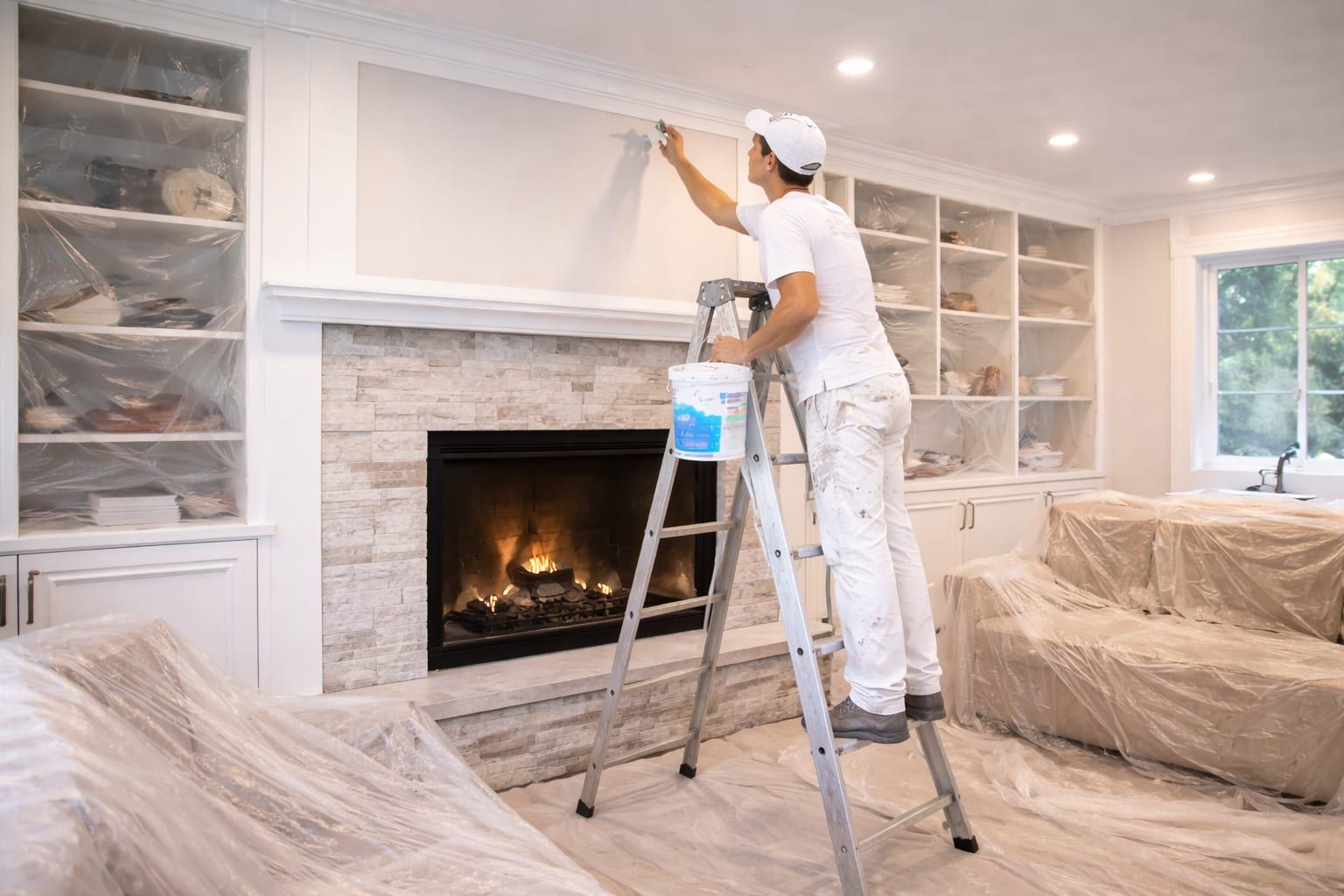
Painter rolling paint on an interior wall.

Surface prep and paint

Finish detail focus: smooth prep and even coverage before final coats.

Painter rolling paint on an interior wall.

Interior paint refresh

Smooth wall coverage and consistent sheen in main rooms.

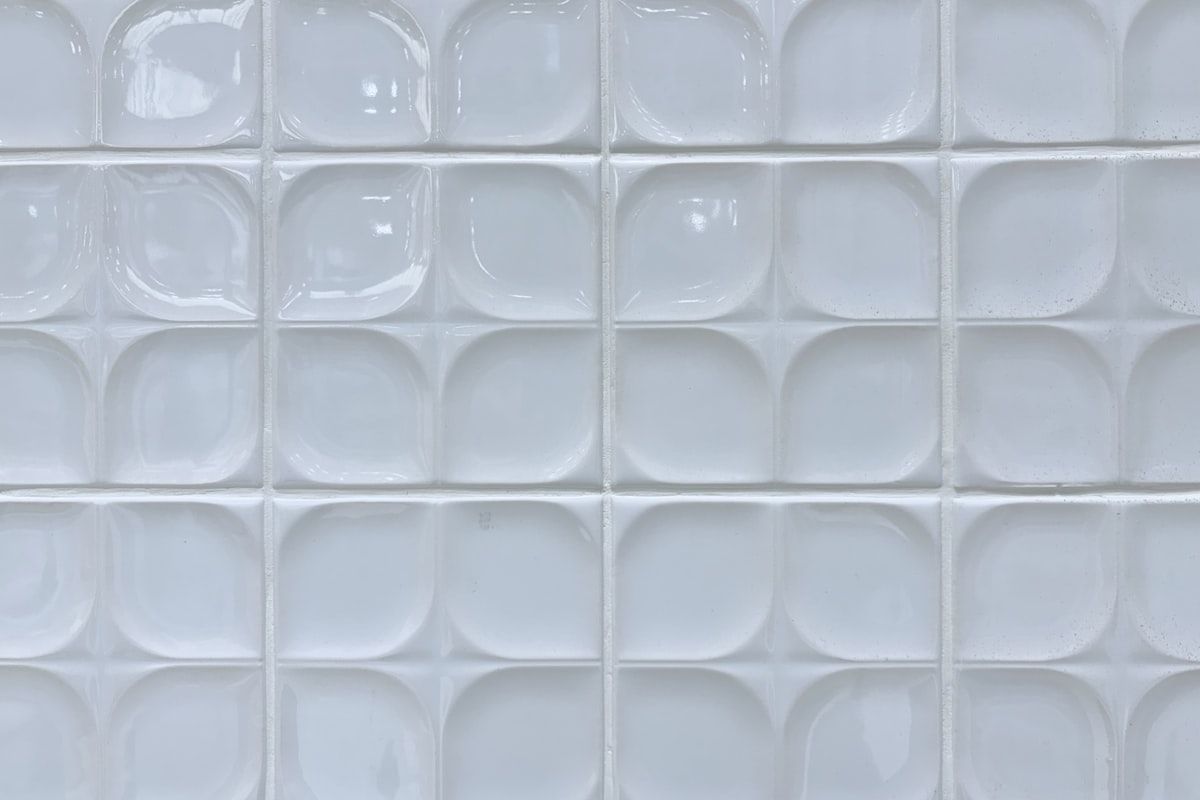
Glossy white square tile with soft beveled edges.

Tile close-up (glazed square tile)

Finish detail focus: even spacing and consistent grout joints.

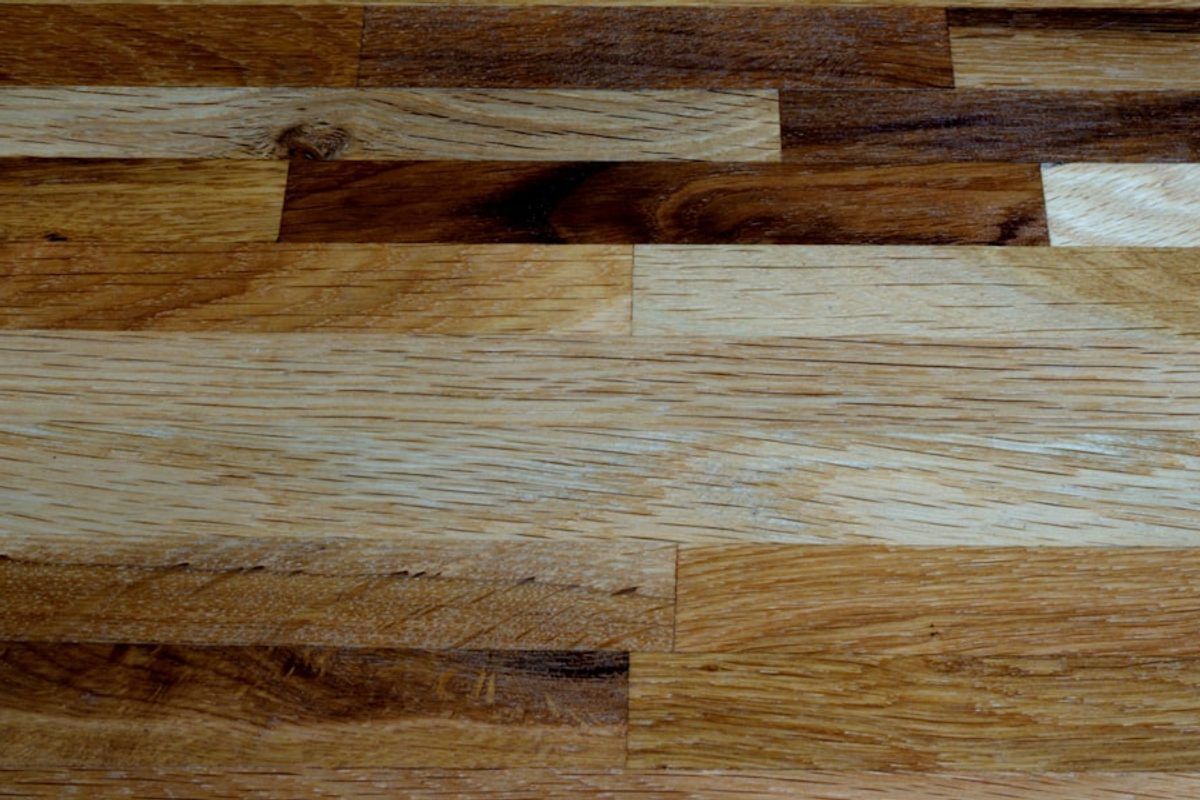
Wood-look plank flooring close-up with aligned seams.

Floor seam alignment detail

Finish detail focus: seam alignment stays consistent through transitions.

What to include in a request

A few details up front reduce delays. If something is unknown, tell us what you do know and we will follow up.

  • Which service(s) apply — see our service list
  • General area (city or neighborhood)
  • Timeline and any constraints
  • Photos and rough measurements when possible

What's included (and why it protects the finish)

In finish work, the difference between a clean result and a frustrating surprise is usually what was included vs. what was assumed. The finish fails where materials meet: thresholds, edges, corners, and trim lines.

For tile, that often means flatness prep and edge details. For paint, it means repair level, stain blocking, sheen, and whether trim and doors are included. For flooring, it means subfloor prep, transitions, and door clearances.

When we ask questions during your quote request, the goal is not to slow things down. The goal is to make sure the plan is accurate before materials are ordered and before schedule commitments are made.

If you want a deeper breakdown of how estimates describe what is included, read: How to read a finish work estimate.

What to expect during the work (and after)

Finish work is not only the visible step. Prep and detail work are what protect the final look. Depending on the service, that can mean patching and sanding before paint, flattening a subfloor before vinyl, or planning transitions before tile or floors go in.

We also plan around real life. Occupied homes need a staged approach so key rooms remain functional. If there are pets, tight access, or a deadline, calling that out early helps keep the process smooth.

After work is complete, some finishes benefit from simple care guidance. Paint needs time to cure, floors benefit from felt pads and grit control, and exterior finishes benefit from periodic inspection. Small habits can prevent unnecessary touch-ups later.

Sequencing examples (how finish work overlaps)

Many projects include more than one finish step. Sequencing is the simplest way to avoid rework and keep the final result clean. These are common examples to show how we think about order of work. If you are coordinating a remodel, tell us what is changing and what is staying so the sequence is realistic.

Drywall + painting

Repairs and primer first, then finish coats. This reduces flashing and keeps sheen consistent across the wall.

Cabinets + backsplash tile

Cabinet alignment sets the reference line. Counters usually come next, then backsplash planning and tile so edges land cleanly.

Vinyl flooring + doors

Floor height and transitions affect door clearances. Planning thresholds and undercuts early prevents rubbing and awkward transitions later.

Exterior painting + entry door refresh

Prep and weather windows drive schedule. Pairing a door refresh with exterior paint can tighten curb appeal, but only if sequencing is planned.

Tile + cabinets + paint touch-ups

Edges meet at cabinets and counters. Planning cabinet alignment and paint touch-ups before tile helps keep terminations and trim lines crisp.

Flooring + baseboards

Floor height and transitions affect trim. Planning baseboard removal/reset (or shoe/quarter round) as part of the flooring step keeps lines clean at walls and door casings.

Process FAQs

Common questions about details, sequencing, and next steps.

What is the best way to describe my project?

Start with the room and the goal, then list what is included. For example: 'Paint walls and trim in two bedrooms' or 'Install vinyl in the hallway and bedroom with transitions at both doors.' Photos and rough measurements make it much easier to confirm details.

How do you avoid surprises on install day?

By confirming the details that drive the estimate: prep needs, edges, transitions, and material requirements. If something is unknown, we identify it early instead of guessing. That keeps scheduling and expectations realistic.

Do you help with sequencing when multiple services are involved?

Yes. Finish work overlaps. We can outline a clean order of work so you are not repainting after drywall dust, redoing transitions after flooring, or damaging new finishes during other steps.

What usually takes the most time in finish work?

Prep and detail work. Patching and sanding, flattening a subfloor, setting cabinet lines, cutting tile around outlets, or aligning doors can add time, but those steps are what protect the final finish quality.

What should I do before the work starts?

Clear small items, identify any fragile areas, and make sure the work area is accessible. For paint and drywall, clearing walls helps. For flooring and tile, doorway and transition photos are helpful. If you have pets or a tight deadline, mention it early.

Can you quote without an in-person visit?

Sometimes. Clear photos, rough measurements, and product links can be enough to confirm what is involved for certain projects. For complex projects or when prep needs are uncertain, we may recommend a site visit so the plan is accurate.

How do you handle changes after work starts?

Changes are easier when they are identified early. If a change affects materials, transitions, or prep, it can affect schedule and pricing. The goal is to keep changes controlled so the final finish stays clean.

Where can I learn more before requesting a quote?

The blog has planning guides for each service. A good starting point is the quote request checklist and the estimate reading guide so you know what details matter.

What should I do to prepare the space on day one?

Clear small items and provide access to work areas. For paint and drywall, clearing walls and surfaces helps. For floors and tile, doorway access and transition visibility matters. If you have pets, plan a safe zone so doors can stay closed during work.

Do you protect floors and nearby surfaces?

Protection is part of finish work, but the approach depends on the project. If a surface is newly finished or easily damaged, mention it so protection is planned appropriately.

How do you handle unexpected issues found during prep?

We pause and communicate. Hidden damage or conditions can change the plan. The goal is to confirm the cleanest fix before the next finish layer goes on so the final result stays clean.

Do you provide aftercare guidance?

When relevant, yes. For example, paint cure expectations, vinyl care, or simple maintenance notes for exteriors. Care habits are part of keeping the finish looking good.

Can I request a phased plan instead of everything at once?

Yes. Phasing is often the best approach for busy homes and tight deadlines. We can prioritize the most visible areas first and schedule detail work second.

How do you keep finish details consistent across rooms?

We plan standards up front: consistent sheen choices for paint, consistent hardware for doors, and consistent transition strategies for floors. Consistency makes the home feel intentional.

What to expect

Share your remodeling, renovation, or handyman details and timeline, and we will confirm availability and next steps.

Details first

We confirm the space, materials, and prep before scheduling.

Our process

Updates + clean finish

Straightforward updates and a focus on alignment, transitions, and a clean final look.

Finish-detail work

Request a quote

Share your project details, area, and timeline. We confirm availability and follow up with next steps.

Request a quote

View services

Explore remodeling, handyman, painting, flooring, tile, doors, and finish-detail work.

View services
Request a quote