Weatherstripping and Draft Sealing Guide
Drafty windows and doors waste energy and money. Weatherstripping and sealing air leaks can reduce heating/cooling costs by 10-20% while improving comfort. This guide covers identifying leaks, choosing materials, and proper installation.
Finding Air Leaks
The hand test:
- Run hand around window/door edges on windy day
- Feel for moving air
- Best done when temperature difference inside/outside is 20°F+
Visual inspection:
- Daylight visible around closed doors
- Gaps around window sashes
- Cracked or missing caulk
- Worn weatherstripping
Smoke test:
- Hold incense stick near suspected leaks
- Smoke will blow sideways if draft present
- Works best on calm day
Common leak locations:
- Window sashes (where moving parts meet)
- Door bottoms and sides
- Attic hatches
- Electrical outlets on exterior walls
- Recessed lighting
- Where different materials meet (siding to foundation)
Weatherstripping Types
For doors:
Door sweeps:
- Mount on bottom of door
- Brush, vinyl, or rubber blade
- Adjustable height
- Cost: $5-15 each
Door thresholds:
- Replace worn thresholds
- Adjustable types available
- Cost: $15-40
V-strip (tension seal):
- Vinyl or metal folded strip
- Installed along door jamb sides and top
- Compresses when door closes
- Cost: $10-20 per door
Foam tape:
- Adhesive-backed foam
- Easy install but least durable (1-3 years)
- Good for low-traffic areas
- Cost: $3-8 per roll
For windows:
V-strip:
- Best for double-hung windows
- Installed in channels where sash slides
- Durable and effective
- Cost: $15-25 per window
Rope caulk:
- Removable putty-like cord
- Temporary, seasonal use
- Press into gaps
- Cost: $3-5 per roll
Foam tape:
- Adhesive foam strips
- Quick fix but short-lived
- Cost: $3-8 per roll
Tubular rubber/vinyl:
- Flexible tube with mounting flange
- Nail or staple in place
- Good durability
- Cost: $8-15 per window
Installation Tips
Doors:
Measuring:
- Measure door width/height exactly
- Weatherstripping usually sold in kits or by foot
- Add 10% for waste/mistakes
Installation:
- Clean surfaces (remove old weatherstripping, dirt, grease)
- Measure and cut to length
- Apply adhesive-backed types carefully (no second chances)
- For nail/screw types, pre-drill if needed
- Test door operation (shouldn’t bind or require forcing)
Door sweep:
- Install so bristles/blade just touch floor when door closed
- Sweep up (inside) or down (outside) as directed
- Adjustable types allow fine-tuning
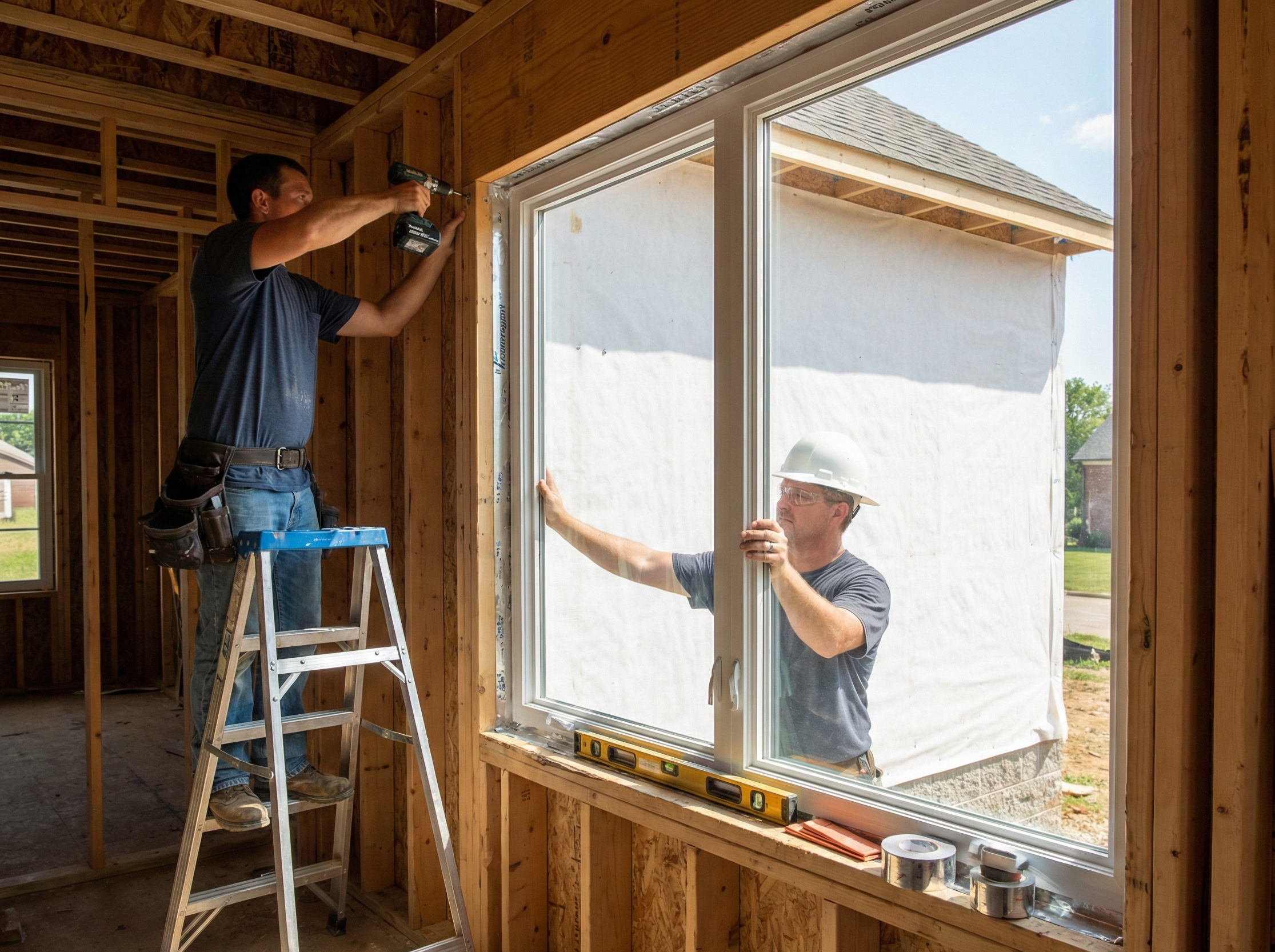
Windows:
Double-hung windows:
- V-strip works best
- Install in side channels and where top/bottom sashes meet
- Clean channels thoroughly first
- Press firmly to adhere
Casement windows:
- Foam or tubular weatherstripping around frame
- Ensure window still latches securely
Sliding windows:
- Similar to double-hung, but horizontal
- V-strip in tracks
- Tubular weatherstripping at meeting rail
Caulking vs. Weatherstripping
Use caulk (permanent seal) for:
- Stationary components
- Where materials meet (siding to trim)
- Around window/door frames (exterior)
- Gaps in siding
Use weatherstripping (moveable seal) for:
- Moving parts (doors, operable windows)
- Where compression seal needed
- Temporary or seasonal seals
Air Sealing Beyond Windows/Doors
Attic access:
- Weatherstrip hatch opening
- Add insulation board to backside of hatch
- Big source of air leakage
Electrical outlets:
- Foam gaskets behind cover plates (exterior walls)
- Child-safe outlet plugs
- Cost: $5-10 for whole house
Recessed lighting:
- IC-rated (insulation contact) required if in contact with insulation
- Seal gaps around housing
- Or replace with LED units
Plumbing/electrical penetrations:
- Seal around pipes/wires entering home
- Expanding foam for larger gaps
- Caulk for smaller
Baseboards:
- Caulk gap between baseboard and floor (if visible)
- Prevents air from wall cavities entering room
Energy Savings
Typical savings:
- Well-sealed home: 10-20% reduction in heating/cooling costs
- $100-200 annual savings for average home
- ROI: 1-2 years for DIY weatherstripping
Additional benefits:
- Improved comfort (fewer drafts)
- Less dust infiltration
- Reduced outside noise
- Better humidity control
When to Replace Weatherstripping
Signs of wear:
- Visible gaps when closed
- Cracked or brittle material
- Compressed and not rebounding
- Peeling adhesive
Lifespan by type:
- Foam tape: 1-3 years
- V-strip (vinyl): 3-5 years
- V-strip (metal): 5-10 years
- Tubular rubber: 3-7 years
- Door sweeps: 3-5 years
Annual inspection:
- Check before heating/cooling season
- Replace worn sections promptly
- Small investment prevents large waste
DIY vs. Professional
DIY-friendly:
- Door sweeps and weatherstripping
- Window weatherstripping
- Outlet gaskets
- Basic caulking
Consider professional for:
- Whole-house air sealing (blower door test identifies all leaks)
- Spray foam insulation
- Complex window replacements
- If coordinating with other energy upgrades
Cost Breakdown
DIY materials (typical house):
- Door weatherstripping: $40-80 (3-4 doors)
- Window weatherstripping: $100-200 (10-15 windows)
- Outlet gaskets: $10-20
- Caulk and foam: $30-50
- Total: $180-350
Professional air sealing:
- Blower door test: $200-400
- Comprehensive sealing: $800-1,500
- Includes: Testing, sealing, verification
ROI:
- DIY: 1-2 years
- Professional: 2-4 years
- Both pay for themselves through energy savings
Weatherstripping and draft sealing are high-ROI DIY projects. Invest a weekend and $200-300 to seal doors, windows, and penetrations. You’ll reduce energy bills, improve comfort, and the materials will pay for themselves within 1-2 years. Inspect annually and replace worn weatherstripping to maintain savings.
Need help planning the next step?
Share photos and rough measurements to get a clear yes/no on fit and the right follow-up.