Transitions are where floors either feel finished—or feel like an add-on. A vinyl floor can look great in the middle of a room, but if doorways and height changes aren’t planned, you can end up with toe-catching lips, awkward thresholds, and doors that rub.
This guide explains common vinyl flooring transition situations and the planning decisions that keep transitions clean and comfortable. If you want one rule of thumb: transitions should be planned before the first plank is installed, not after.
Quick takeaways
- Plan transitions before install day. Thickness and height changes affect what transition pieces work.
- Doorways are the biggest transition driver. Door swing, casing, and clearance matter.
- Trim strategy matters. Baseboard vs. quarter round changes the finished look.
- Comfort and safety matter. A clean transition isn’t only visual—it prevents tripping and toe catches.
1) Identify every transition point
Start with a simple walkthrough and list:
- Doorways to other rooms
- Where vinyl meets tile (kitchen, bath, entry)
- Where vinyl meets carpet or stairs
- Sliding doors and exterior doors
Each transition may need a different solution.
1a) Measure finished heights (it avoids surprises)
Before choosing a transition, confirm:
- Vinyl thickness (and whether it has an attached pad)
- Underlayment thickness (if used and allowed by the product)
- Any leveling work that changes height
- The adjacent floor thickness (tile, carpet, etc.)
You do not need perfect measurements to start planning, but having a rough sense of “higher vs lower” helps you avoid last-minute guessing.
2) Height differences: why they happen
Height differences come from:
- Flooring thickness differences
- Underlayment or pad differences
- Subfloor leveling work
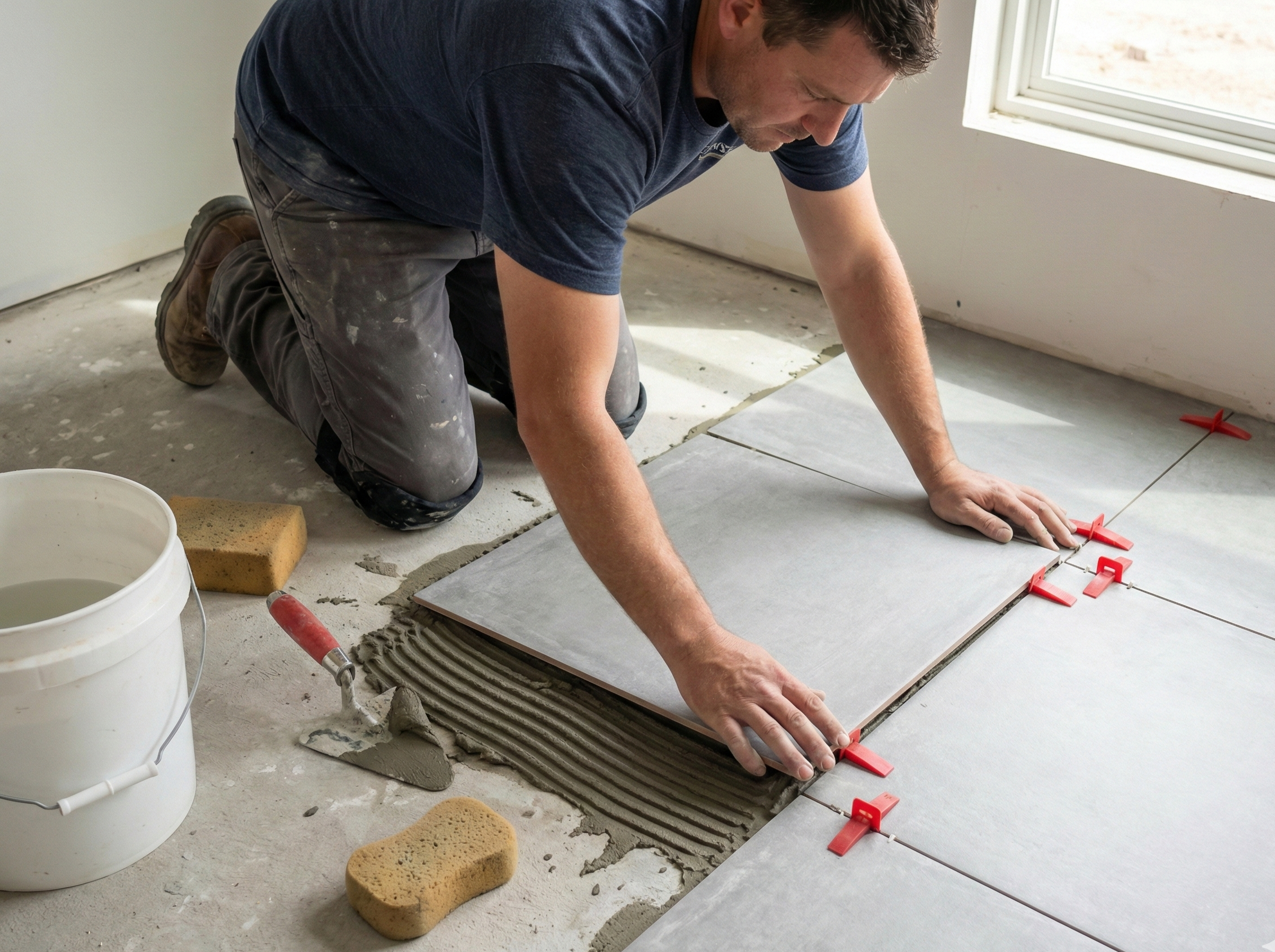
If you’re also planning tile in adjacent areas, tile assembly height can be significant. Planning both together keeps transitions clean: Tile installation.
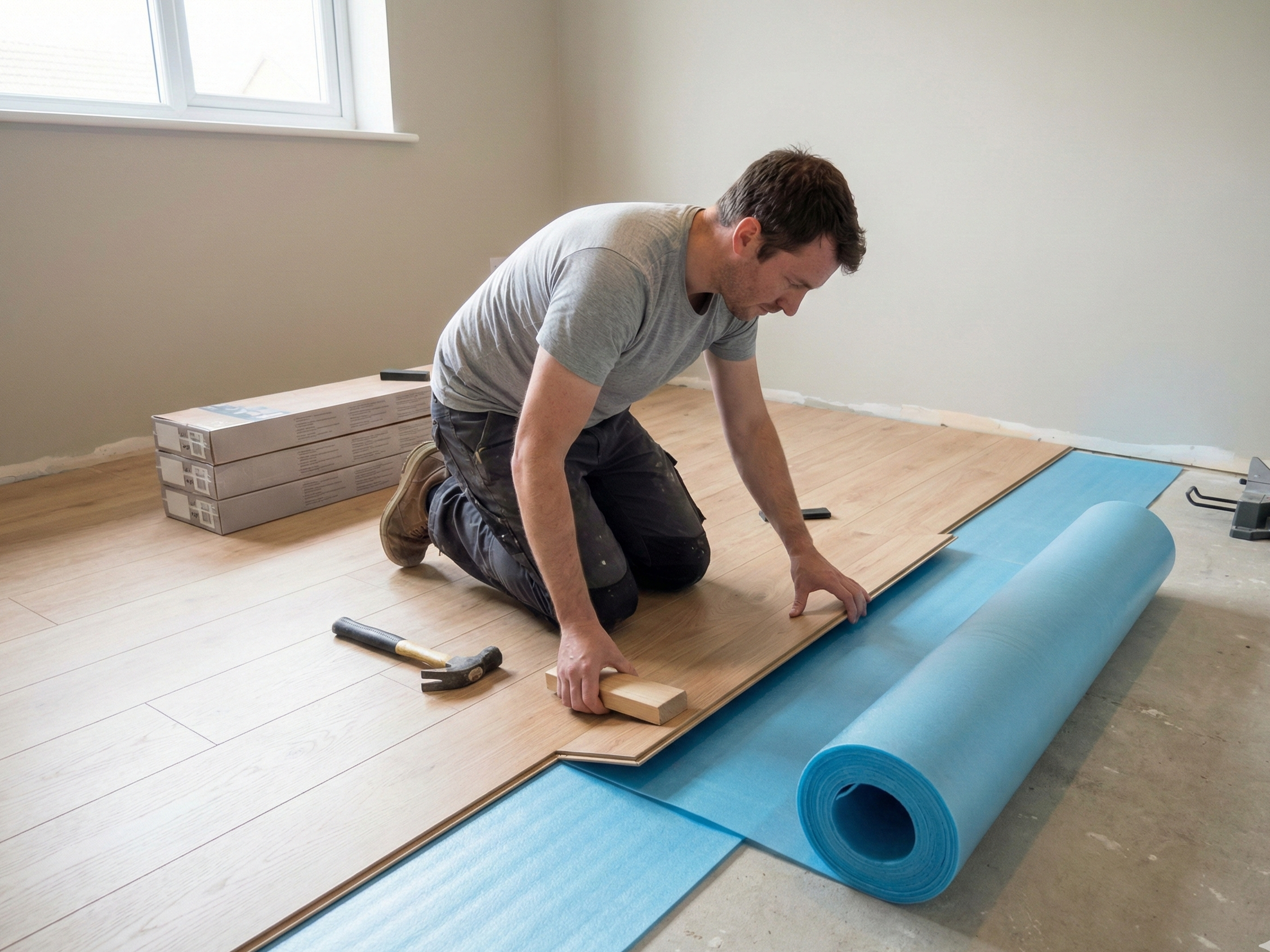
If you’re planning vinyl in multiple rooms, subfloor prep affects both feel and finished height. See: Subfloor prep for vinyl plank.
3) Doorway transitions: where to place the change
A common goal is to place the transition under the closed door so each room shows one finish when the door is closed. This helps rooms feel intentional.
If doors are being replaced, coordinate threshold planning early: Door installation.
3a) Door clearance: the most common “oops” moment
Flooring height changes can cause doors to rub. Planning helps you avoid:
- Interior doors dragging on the new floor
- Exterior doors rubbing at the threshold
- Uneven gaps at door bottoms
If you’re replacing doors at the same time as flooring, sequencing matters. If you’re keeping doors, it helps to check clearances before install day and plan any needed adjustments.
4) Trim choices: baseboards, shoe molding, and quarter round
Many vinyl projects intersect with trim:
- Removing and reinstalling baseboards can look cleaner.
- Adding quarter round is often quicker but can look less integrated.
If painting is part of the project, combining trim work and paint planning can improve the final look: Painting.
4a) A cleaner look usually comes from planning trim early
The transition isn’t only the threshold piece. The finish at the wall matters too:
- Removing and reinstalling baseboards can look more “built-in.”
- Shoe molding can be subtle if chosen intentionally.
- Quarter round can work, but it can also read as an afterthought if it isn’t consistent.
If your goal is a crisp finish, plan trim and flooring together instead of treating trim as an optional afterthought.
5) Common transition types (conceptually)
Without naming specific brands, transitions generally fall into:
- Reducers (one side higher than the other)
- Thresholds (clean break between surfaces)
- End caps (where floor stops at a door track or fixed edge)
The right choice depends on adjacent surface heights and how the area is used.
5a) How to choose the right transition type (practical scenarios)
Here are common situations and what usually matters most:
- Vinyl to tile: you often need a transition that handles a height difference cleanly and doesn’t create a toe-catching lip.
- Vinyl to carpet: the transition should secure carpet edges and create a smooth handoff underfoot.
- Vinyl at a sliding door track: an end-cap style detail is often used because the flooring stops at a fixed track edge.
- Vinyl to exterior threshold: water management and door clearance matter as much as appearance.
The right solution depends on the exact heights and the traffic pattern through the opening.
6) Preventing toe catches and trip points
To reduce toe catches:
- Avoid abrupt height changes where possible.
- Use transition profiles designed for height differences.
- Keep transitions straight and secure.
Additional ways to reduce trip risk:
- Keep transitions out of the middle of wide walk paths when possible.
- Avoid stacking multiple small transitions close together (it feels awkward underfoot).
- Keep the threshold line straight at doorways so it reads as intentional.
6a) Floating floors and expansion gaps (why transitions matter)
Many vinyl plank floors are installed as floating systems. That often means an expansion gap is required at the perimeter and around fixed objects. Transitions and trim details are part of how that gap is covered and how the floor still looks finished.
If transitions are planned late, you can end up with:
- Visible gaps that are hard to hide cleanly
- Transitions that feel bulky because they were chosen to “cover everything”
Planning early lets you choose a cleaner finish detail.
6b) Entries and wet areas: where transitions work hardest
Transitions near entries, patios, and bathrooms often see more wear:
- People track in grit and moisture.
- Mats can trap water if they stay wet.
- Exterior thresholds can get repeated splash and freeze/thaw exposure.
If you want these areas to hold up, plan for simple, durable details:
- A transition that is secure and sits flush (no toe-catching lip).
- A trim plan that avoids leaving raw edges exposed.
- A habit of keeping gritty debris off the floor (it acts like sandpaper).
This is also a good place to keep the design simple. A clean, neutral transition often looks better long-term than a “busy” solution that calls attention to itself.
7) Quote and planning checklist for transitions
If you want accurate planning, include:
- Photos of every doorway and transition area
- Notes about existing floor heights
- Product link or thickness info if chosen
This quote guide helps: Quote request checklist.
If you want to be extra helpful, include:
- Which rooms connect and whether you want one plank direction across them
- Any doors that already rub or feel tight
- Photos of baseboards and trim (so trim strategy can be planned)
8) FAQs
Can transitions be “invisible”?
Sometimes, but many floor changes need a transition for durability or safety. The goal is to make it intentional and clean.
Do I need quarter round with vinyl plank?
Not always. It depends on baseboard strategy and expansion gap requirements. It’s a finish choice worth deciding early.
Are transitions always required?
Not always, but many material changes and height changes benefit from a transition for durability and safety. The goal is to make transitions intentional, not to avoid them at all costs.
Where should a doorway transition be located?
A common approach is under the closed door so each room shows one finish when the door is closed. Other layouts can work depending on door swing, casing, and how the rooms connect.
What is the most common transition mistake?
Leaving the decision until after flooring is installed. That is when you discover height differences and clearance issues, and you have fewer clean options.
Can transitions be color-matched?
Sometimes. In many cases the best-looking result comes from choosing a neutral finish that relates to the flooring or the trim and looks intentional from the start.
9) Common transition mistakes (and how to avoid them)
If you want a quick checklist, these are the most common transition mistakes:
- Choosing transitions after flooring is installed (fewer clean options).
- Ignoring door clearance until doors start rubbing.
- Forgetting that subfloor prep and underlayment change finished height.
- Treating trim as separate from flooring (it is part of the finish).
If you plan transitions early and confirm heights at the doorways, the finished floor feels safer, looks cleaner, and is easier to live with. If you want a second set of eyes, send doorway photos and flooring details so we can confirm a clean plan upfront. It saves time and rework.
Next steps
- Vinyl service details: Vinyl flooring
- Planning overview: Vinyl plank flooring planning guide
- Start a quote request: Request a quote

Need help planning the next step?
Share photos and rough measurements to get a clear yes/no on fit and the right follow-up.