Room refreshes usually look simple until the order of work gets fuzzy. If ceiling touch-ups, wall repairs, trim paint, doors, and patching are handled out of sequence, the room can end up needing more touch-up work than it should.
The cleanest paint refreshes usually come from planning the room as a finish sequence, not as a series of disconnected paint tasks.
Quick takeaways
- Repairs and primer belong first. Surface correction should happen before final paint decisions are locked in.
- Ceilings, walls, trim, and doors usually should not be painted in random order. The cleanest result comes from a deliberate sequence.
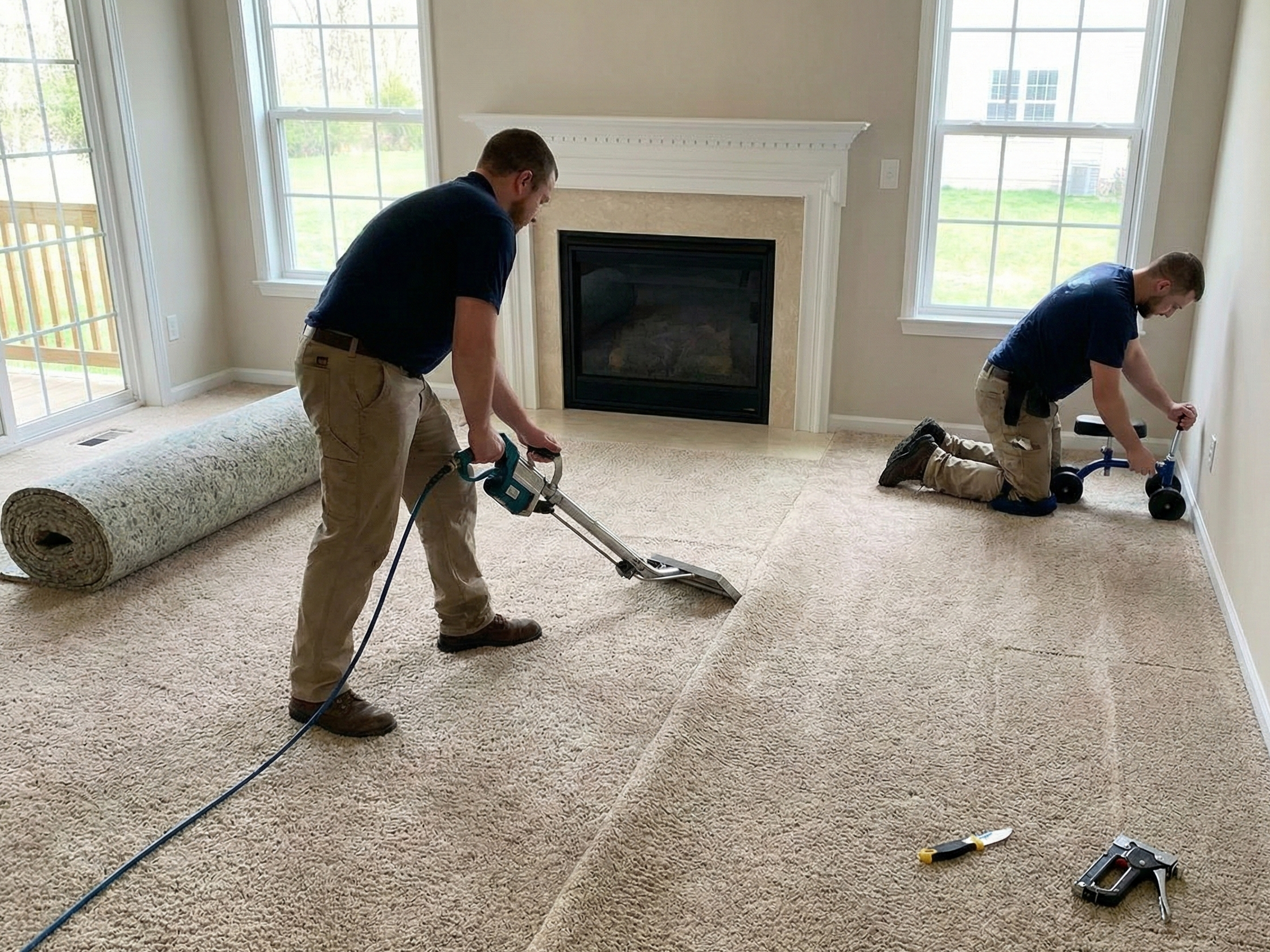
- Flooring and trim work affect the paint plan. If baseboards, casing, or thresholds are changing, that should be coordinated early.
- Final touch-ups belong near the end. Touch-up paint is part of closeout, not the opening move.
1. Start with repairs, patching, and primer strategy
Most room refreshes need some prep before the visible paint work:
- drywall patching
- nail-hole repair
- crack correction
- sanding and feathering
- stain blocking where needed
- primer on repairs or bare areas
If those steps are handled casually, the paint will usually show it later in the form of flashing, texture mismatch, or visible patch outlines.
Helpful related guide: Interior painting prep checklist.
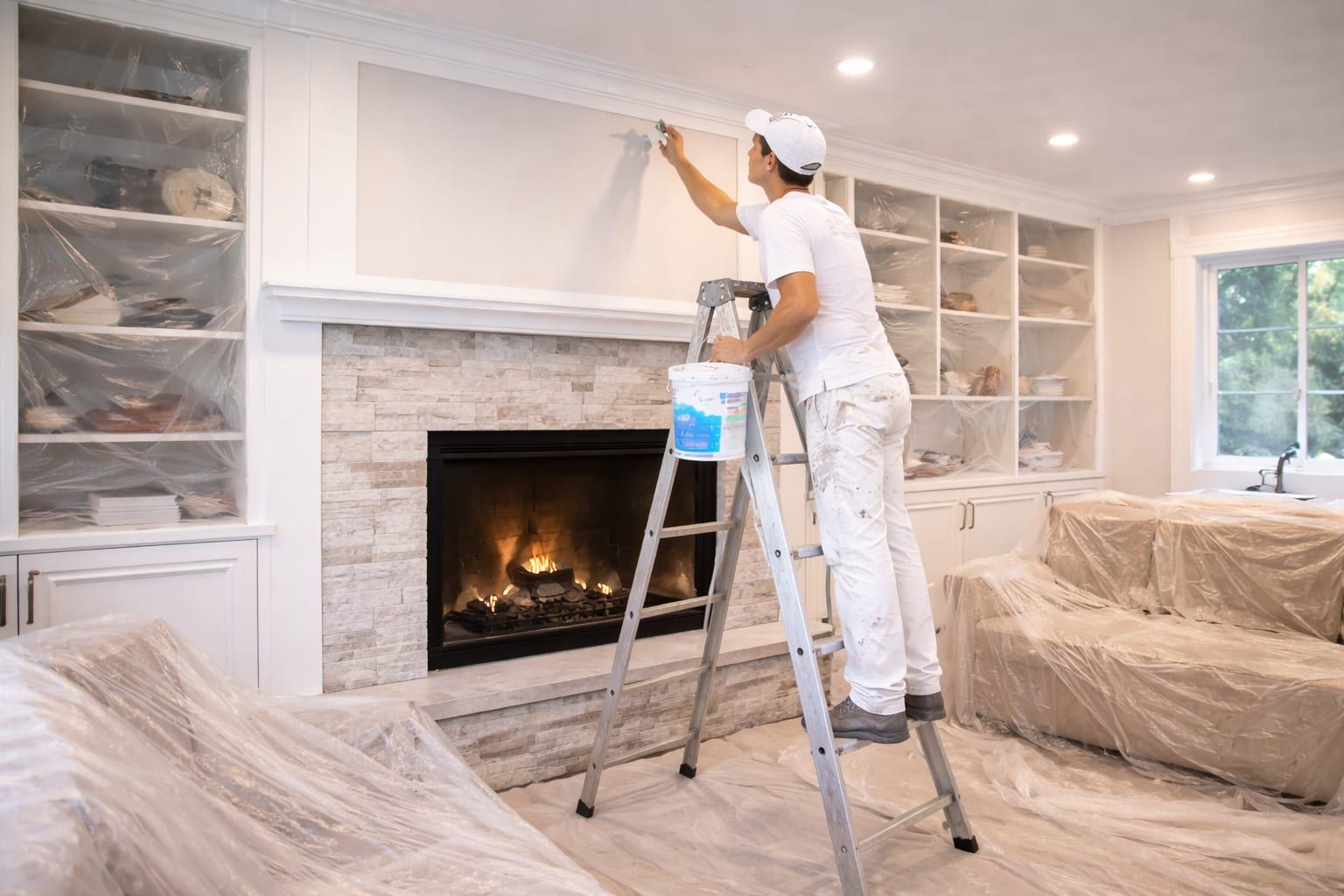
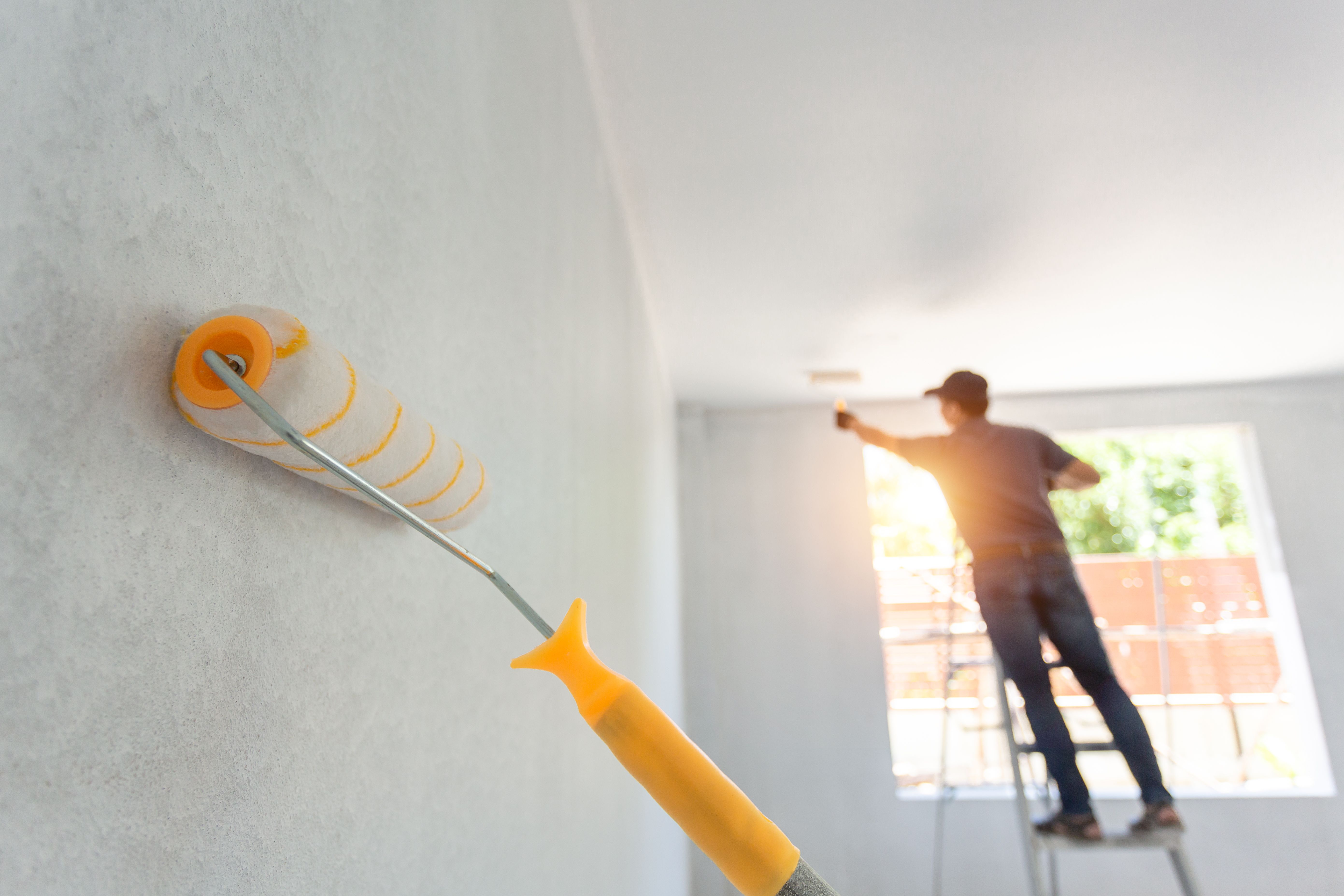
2. Ceilings usually belong before walls
In many room refreshes, the ceiling goes first because:
- it reduces splatter concerns on freshly finished walls
- it lets the wall line be cut more cleanly afterward
- it keeps ceiling correction work from landing on the room late
Not every room needs a full ceiling repaint, but if the ceiling is part of the scope, it usually makes sense to settle that before final wall paint.
This matters even more when there is stain blocking, patched areas, or a large color change.
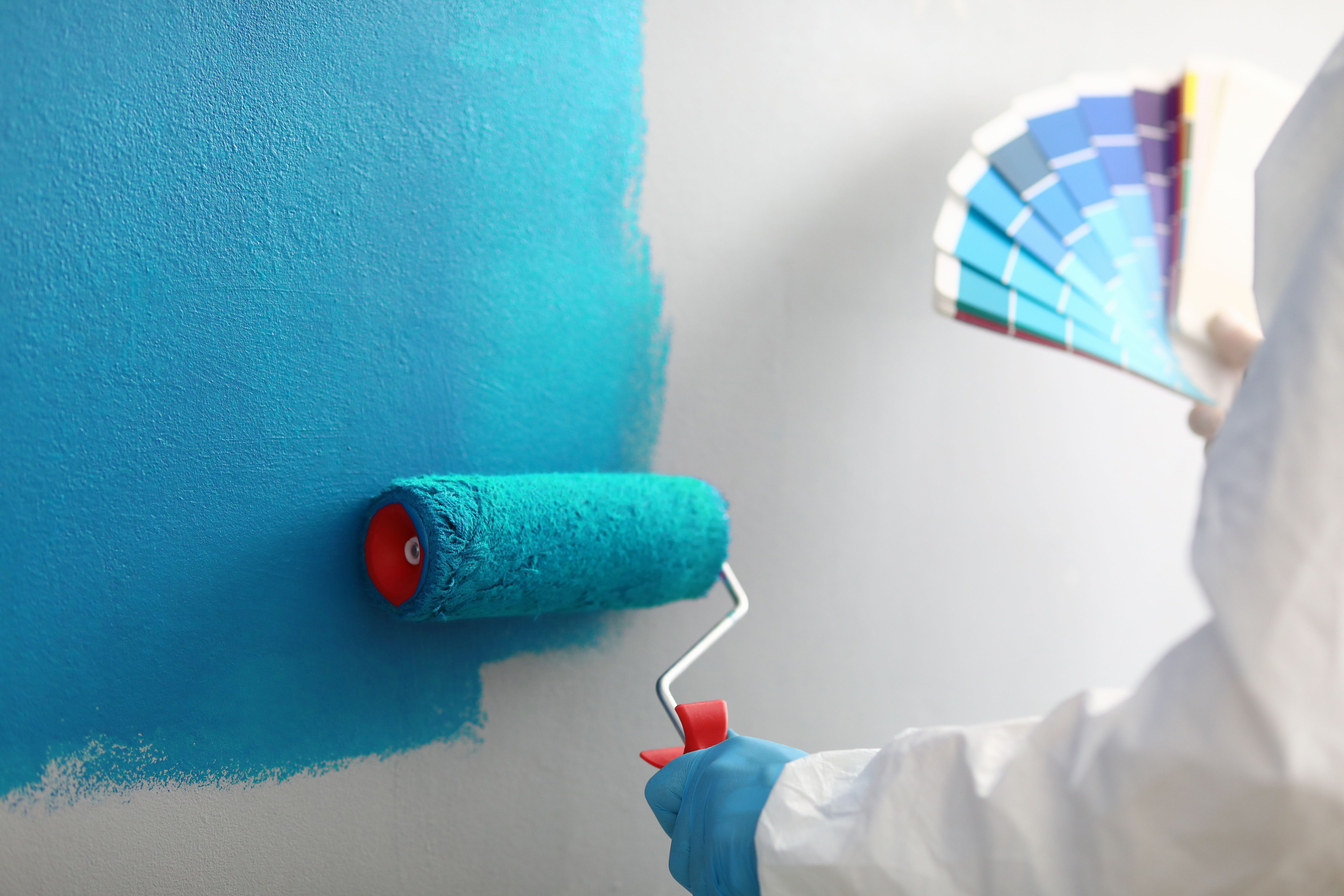
3. Walls usually come before final trim and door closeout
Walls often create the main field of color. Once wall work is settled, the trim and door details usually make more sense:
- baseboards
- window casing
- door casing
- interior doors
- built-ins or painted carpentry details
That sequence helps the smaller finish elements read crisp against the larger wall surfaces instead of feeling like they were constantly touched and re-touched out of order.
Helpful related page: Interior painting.
4. If trim is being replaced or reset, the paint plan changes
Room refreshes that include new trim, door work, or carpentry should not be treated like paint-only projects.
Examples:
- new baseboards after flooring
- casing changes around a replaced door
- repaired trim after water or impact damage
- board-and-batten or accent-wall carpentry
When trim is changing, the room usually needs coordination between carpentry and final paint so the fill, caulk, and finish coats land in the right order.
Helpful related pages:
5. Flooring and room-use timing affect how the paint sequence should finish
If the room also involves flooring, the paint plan should account for:
- when baseboards are removed or reset
- whether door clearances are being adjusted
- whether furniture has to stay in the room
- whether the room is occupied during the project
That is why “just repaint the room” sometimes turns into a broader finish sequence. The clean result depends on how the room closes out, not only on how the wall color looks in isolation.
Helpful related guide: Paint sheen guide.
6. Final touch-ups are a closeout step, not the main phase
The final room polish usually includes:
- touch-ups after hardware or accessories go back in
- caulk and gap checks at trim lines
- finish correction where old and new work meet
- door and trim detail paint after the dust is gone
If touch-ups happen too early, they often get redone. If they are saved for closeout, they usually stay small and purposeful.
7. What to send for a faster room-refresh quote
Usually this is enough:
- wide room photos
- close-ups of the trim, doors, and patch areas
- notes on what is changing beyond paint
- whether flooring or trim replacement is part of the same scope
- your timeline and whether the room stays in use
If the project includes both painting and finish repairs, say that directly. It helps frame the job as one coordinated outcome instead of a paint-only request.
FAQs
Should ceilings be painted before walls?
Usually yes, if the ceiling is part of the scope. That usually creates a cleaner sequence and keeps wall closeout simpler.
Should trim be painted before or after walls?
Final trim and door paint often make more sense after the main wall work is settled, especially if repairs or carpentry are involved.
What makes room refresh painting drag out?
Late repair discovery, unclear trim scope, flooring coordination issues, and trying to do touch-ups before the disruptive parts of the work are actually finished.
What helps the quote go faster?
Photos of the room, patch areas, trim, and doors, plus a clear note on whether the scope includes only paint or also repairs, flooring, or carpentry.
Next steps
If the room is mainly a paint project, start with Interior painting.
If the room also needs finish repairs and sequencing help, use Request a quote.
Need help planning the next step?
Share photos and rough measurements to get a clear yes/no on fit and the right follow-up.