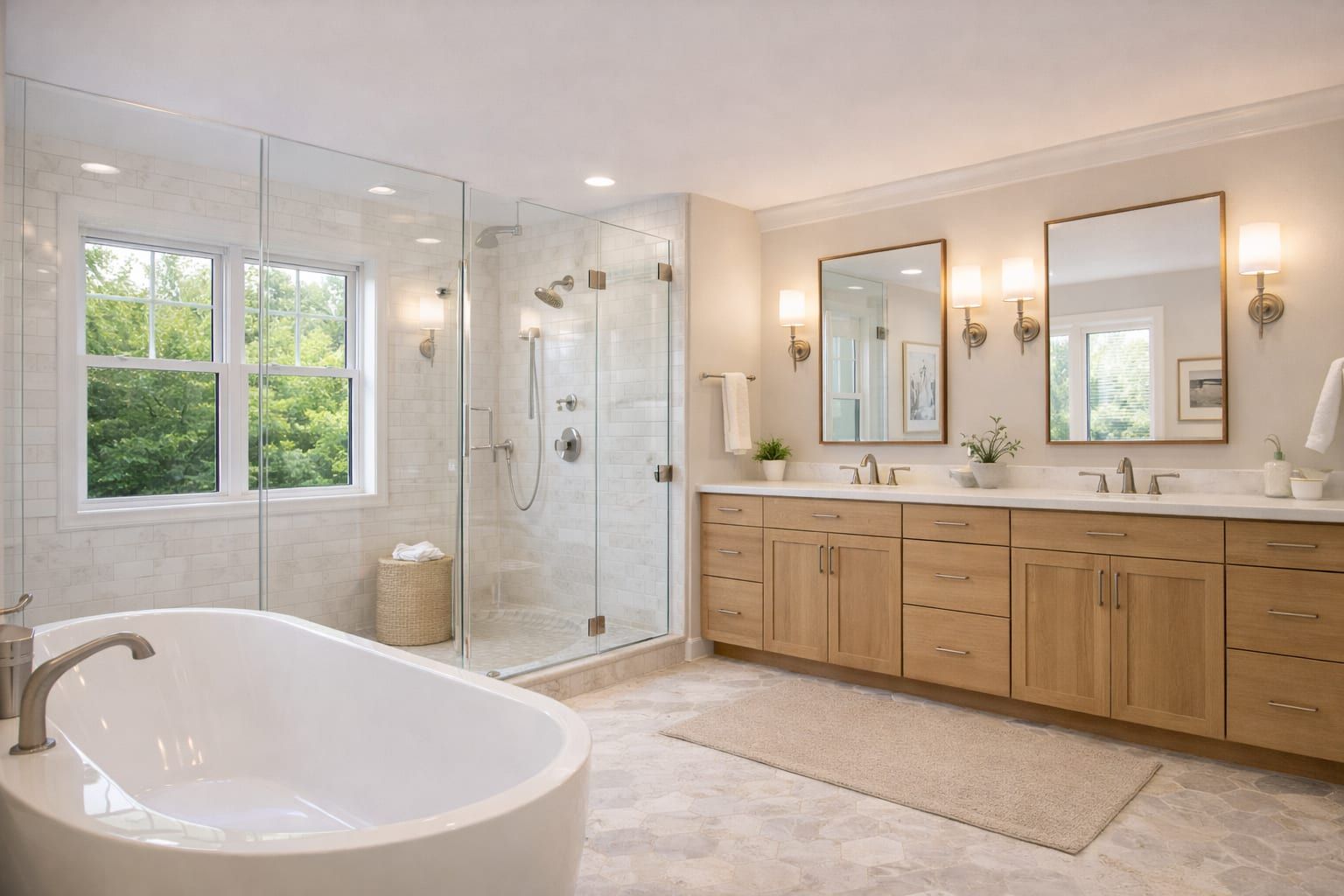
Interior painting is one of the quickest ways to refresh a space, but the final look depends on prep and planning more than most people expect. If you are getting a quote (or getting ready for the first day of work), this checklist helps you avoid surprises and keep the schedule smooth.
Quick takeaways
- Define what’s included. “Paint the room” can mean walls only or walls + ceilings + trim + doors.
- Prep is the finish. Smooth repairs, clean surfaces, and good protection prevent call-backs.
- Sheen matters. Sheen affects durability and how much wall texture you see.
- Photos speed up estimates. Wide shots + close-ups reduce guesswork.
- Plan for cure time. Fresh paint can look dry but still be soft for a while.
0) Start with the goal (freshen, reset, or full transformation)
Before you pick colors, decide what you want out of the project:
- Freshen: same color family, minimal repairs, faster turnaround.
- Reset: new colors, repair visible issues, consistent finish lines.
- Full transformation: walls, ceilings, trim, doors, and more detailed prep.
This matters because the goal determines the prep level. A “quick freshen” can still look great, but it should not be planned like a “perfect walls” repaint if the surfaces are rough.
1) Decide what is actually being painted
“Paint the living room” can mean a lot of different levels of work. Before you request a quote, decide:
- Walls only, or walls + ceiling?
- Trim included (baseboards, window trim, door casing)?
- Doors included (one side, both sides, frames)?
- Accent wall or color changes?
The clearer what’s included, the easier it is to plan prep, masking, and dry times.
2) Pick sheen (finish) before color if possible
Color gets all the attention, but sheen affects durability and how walls reflect light. If you are unsure, start with this general guidance:
- Flat/matte: hides wall flaws better, usually less wipeable
- Eggshell/satin: common for living spaces and hallways
- Semi-gloss: common for trim and doors
If you have kids, pets, or high-traffic areas, mention it. That can affect recommendations and expectations.
2a) Sheen and wall condition go together
Higher sheen can be more wipeable, but it can also show more wall texture and patching differences. If your walls have lots of repairs, dents, or uneven texture, choosing a more forgiving sheen (and planning repairs) can improve the final look.
This guide goes deeper on sheen selection: Paint sheen guide.
3) Clear the work area (small steps matter)
Even when furniture stays in the room, a little prep helps:
- Remove small items (decor, lamps, photos, shelves when possible)
- Take down wall hangings and hardware you want removed
- Clear a path to the work area
- Identify items that cannot be moved and should be protected
If the home is occupied, let us know about any “quiet hours” or rooms that must remain usable.
3a) Protect what matters (floors, furniture, and traffic paths)
Good paint work includes protection. Helpful homeowner prep:
- Clear a path for ladders and materials.
- Identify floors that are easy to scuff (softwood, older hardwood, fresh vinyl).
- Move fragile items to one safe zone.
If the project includes flooring work (vinyl or tile), mention it so the sequence can be planned to reduce rework: Vinyl flooring and Tile installation.
4) Tell us about existing wall problems
Paint highlights wall issues that were easy to ignore before. Mention any of these up front:
- Nail holes, anchors, dents, or cracks
- Water stains or smoke stains
- Peeling or bubbling paint
- Glossy paint that may need extra prep for adhesion
Photos help, especially for stains and texture differences.
4a) Drywall repairs: plan for the finish standard you want
Wall repair can be as simple as filling nail holes, or it can involve:
- Matching texture
- Repairing damaged drywall paper
- Fixing recurring cracks at corners
If your walls have noticeable damage, planning drywall repair and paint together produces the cleanest result:
5) Plan around drying time and room use
The schedule is not just about applying paint. Dry time and room function matter:
- Bedrooms: plan for sleeping arrangements if needed
- Kitchens: plan for access to food and appliances
- Bathrooms: plan for ventilation and humidity
If you have a deadline (guests, move-in, listing photos), share it early so the plan and schedule match reality.
5a) “Dry” and “cure” are different
Paint can feel dry quickly and still be soft. This affects:
- When you can move furniture back without scuffing walls
- When you can wash or scrub surfaces
- How soon you can hang art or use adhesive hooks
If you want a realistic timeline guide, see: Interior painting timeline.
6) Simple questions to ask before work starts
Here are a few questions that make the project smoother:
- What level of wall repair is included vs. optional?
- How will edges be handled (cut lines, corners, textured ceilings)?
- What needs to be moved by the homeowner vs. by the crew?
- When can the room be used normally again?
Clear answers mean clear expectations.
6a) Questions that protect the finish (and reduce surprises)
These questions are practical and non-confrontational:
- What will be done to reduce flashing on patched areas?
- How will trim lines be handled (caulk, sanding, finish quality)?
- What is the plan for stain blocking if stains are present?
- How will floors and furniture be protected?
If you’re comparing bids, clarity matters more than a vague low number. This guide helps: How to read an estimate.
7) A quick “day one” checklist
The night before the first day, do this if you can:
- Clear countertops and remove fragile decor
- Set aside a small “keep accessible” area (keys, chargers, essentials)
- Make sure pets have a safe place away from the work zone
- Confirm paint color names/codes if already selected
If you are still in the quote stage, you can use our quote request form to get the conversation started: Request a quote.
7a) Label paint choices and keep them consistent
If you already chose paint, keep a simple record:
- Brand and line
- Color name and code
- Sheen
- Which rooms get which color
This prevents accidental mix-ups when multiple rooms are involved.
8) Primer and stain-blocking: when it matters
Primer is not always required, but it can save time and prevent call-backs when conditions are right:
- Stains (water, smoke, tannins): a stain-blocking primer can prevent bleed-through.
- Major color changes: deep reds, bright yellows, or very dark-to-light changes may need primer to improve coverage.
- Glossy surfaces: extra prep and priming can help adhesion.
If you have a stained area, include a close-up photo in your request so we can plan realistically.
8a) Common situations that change primer needs
Primer and prep often become more important when:
- You’re covering a very dark color with a light color.
- You’re painting over glossy or slick surfaces.
- You’re painting over stains, smoke residue, or water marks.
- There are many drywall repairs (porosity changes cause flashing).
The goal is not to “always prime everything.” The goal is to use primer strategically so the finish looks consistent.
9) Ventilation and “cure time” vs. “dry to touch”
Paint can feel dry quickly but still needs time to cure. Practical notes:
- Plan airflow (fans, open windows when weather allows).
- Avoid heavy cleaning or scrubbing right away, especially on fresh walls.
- If a room must be used immediately, mention it so we can discuss sequencing.
Clear expectations around dry and cure times help keep the project comfortable and avoid accidental scuffs.
10) Photo checklist for a fast, accurate quote
If you want a faster estimate and fewer follow-up questions, send:
- Wide photos of the full room (all walls if possible)
- Close-ups of damage areas (cracks, stains, peeling)
- Notes on what is being painted (walls only vs walls + trim + doors)
- Any deadline constraints (guests, move-in, listing photos)
- Sheen preference (or “not sure”)
If you want a simple quote template, use: Quote request checklist.
11) Next steps
- Service details: Painting
- Sheen planning: Paint sheen guide
- Start a quote request: Request a quote
If you’re in the Greater Lexington, KY area, include a note about your ideal start window and whether the home is occupied or vacant. Those two details are often the biggest drivers of how a paint project is sequenced and how disruptive it feels day to day. If you have photos, include at least one wide shot per room. Context photos reduce surprises and make estimates more accurate.
Need help planning the next step?
Share photos and rough measurements to get a clear yes/no on fit and the right follow-up.