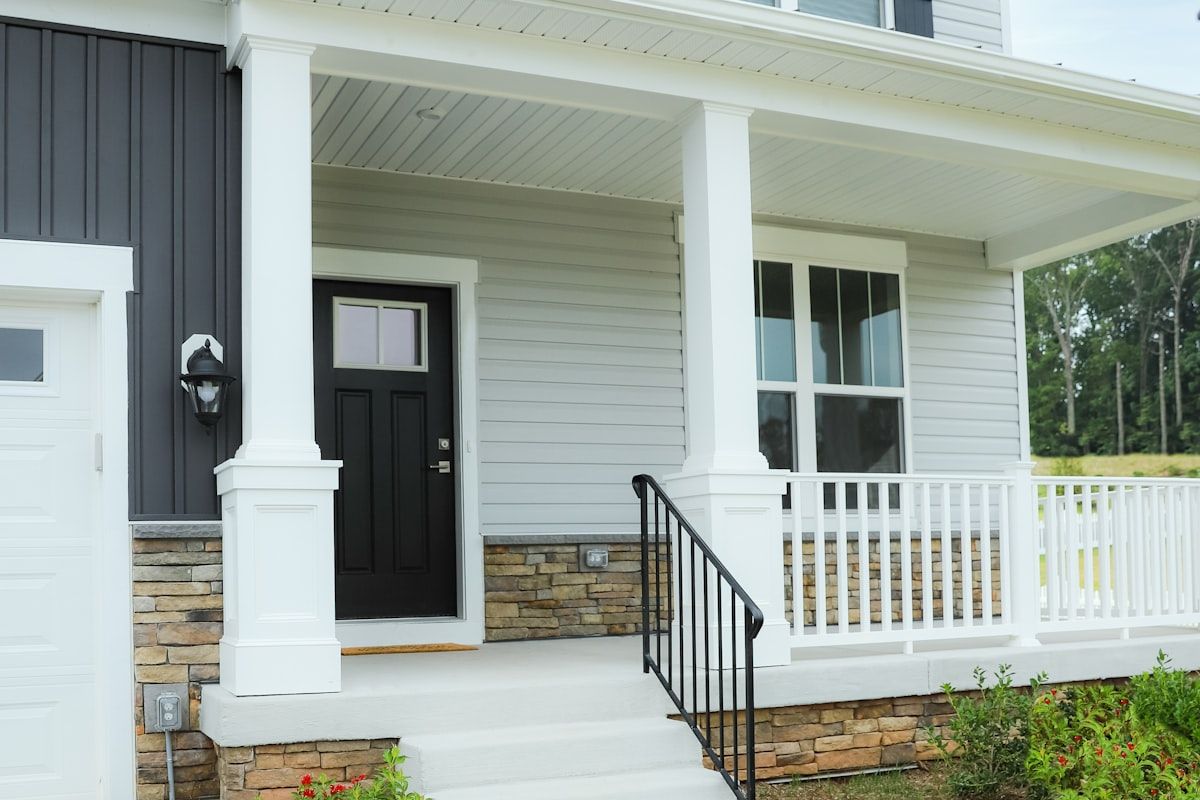
Interior doors affect daily comfort more than people expect. A door that sticks, doesn’t latch, or looks worn can make an otherwise updated space feel unfinished. If you’re considering replacing interior doors, the best results come from deciding the right replacement type (slab vs. prehung), confirming measurements, and planning trim and hardware details early.
This guide walks through interior door replacement options and the practical decisions that affect the finished look.
Quick takeaways
- Slab replacement keeps the frame. It can be efficient when the frame is in good condition.
- Prehung replacement resets the opening. It can solve frame issues and produce a cleaner “new door” result.
- Style and finish affect the whole home. Consistency across doors usually looks best.
- Hardware matters. Knobs, hinges, and latch alignment change the feel and function.
0) Start with the goal (function fix, style update, or full reset)
Interior door replacement can be done for different reasons:
- Function fix: doors stick, rub, or do not latch consistently.
- Style update: you want a more modern door style or a consistent door look across the home.
- Full reset: frames are rough, inconsistent, or you want a cleaner, more uniform fit.
Defining the goal helps you choose slab vs. prehung, and it helps you decide how much trim and paint work should be included.
1) Why interior doors fail (common causes)
Interior doors often develop issues because of:
- House movement and seasonal changes
- Worn hinges or misaligned hinges
- Changes in flooring height
- Frames that are out of square
A door that rubs or doesn’t latch may be fixable without replacement, but replacement can be the best option when you want updated style and consistent function.
1a) Diagnose before you buy (simple checks)
If you want to understand what is happening, check:
- Where does it rub? top corner, hinge side, latch side, or bottom.
- Is the gap even? uneven gaps often point to frame alignment issues.
- Does it latch easily? if it only latches with force, strike alignment may be part of the issue.
- Is it seasonal? some rubbing is worse in humid seasons.
These notes help you decide whether a slab swap is realistic or whether a prehung reset is the better plan.
2) Slab vs. prehung for interior doors
Slab door replacement
A slab swap can make sense when:
- The existing frame is sound and looks good
- You want to keep existing trim and casing
- You want to minimize disruption
Key planning needs:
- Accurate door size and thickness
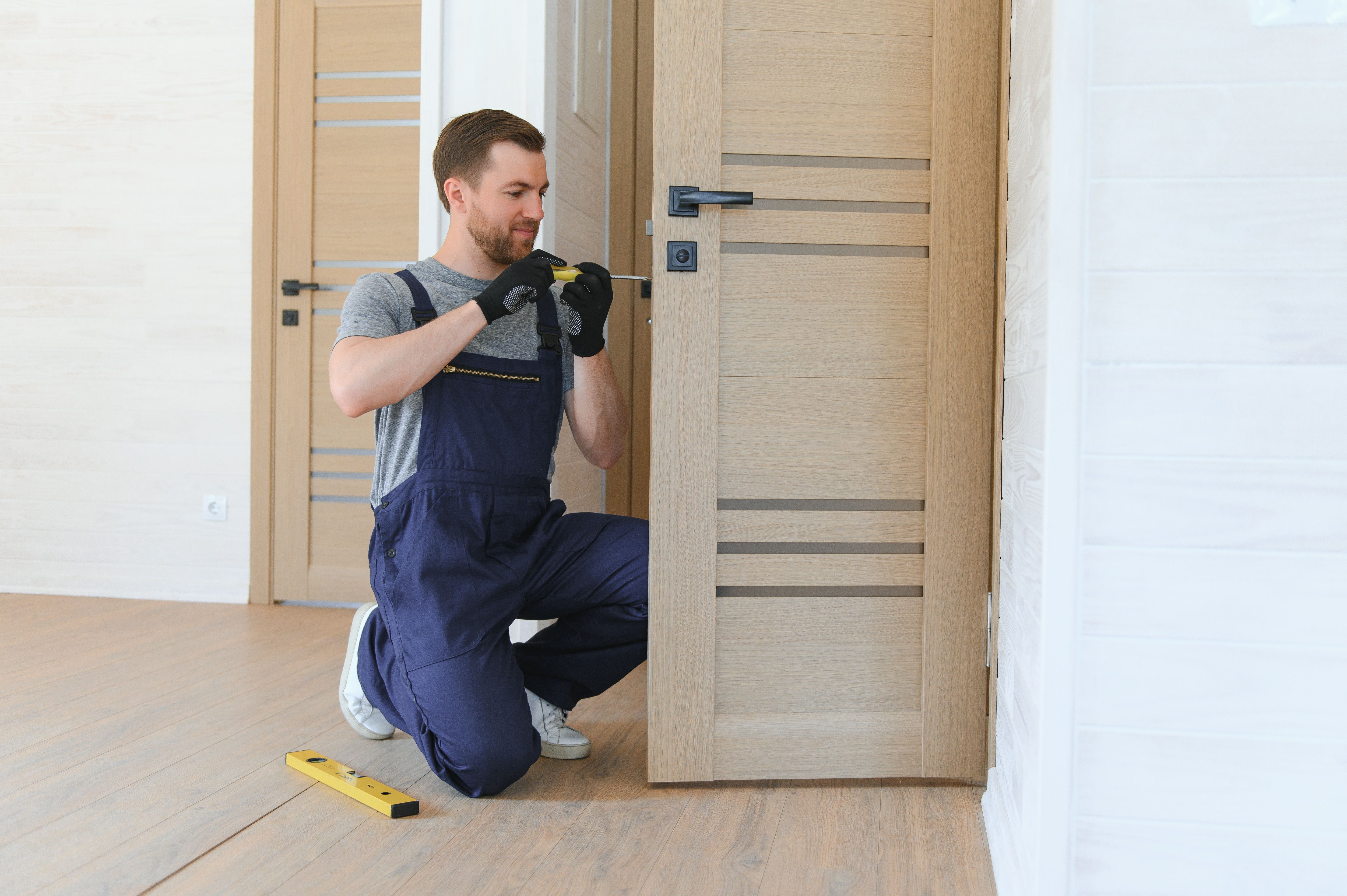
- Correct hinge alignment
- Correct handing (swing direction)
Slab swap “gotchas” to plan for
Slab swaps can be efficient, but a few details often cause surprise:
- Hinge locations do not always match exactly between doors.
- Old frames can be slightly out of square, which affects how a new slab fits.
- Latch and strike locations must align, or the door will not latch smoothly.
If you want the fastest way to avoid ordering mistakes, start with this measurement guide: How to measure for door replacement.
Prehung door replacement
A prehung door can make sense when:
- The frame is damaged or out of square
- You want to reset the jamb and achieve consistent gaps
- You’re changing the door size or style significantly
Prehung replacement usually affects trim and casing, so it’s a bigger project but can produce a cleaner end result.
If you’re not sure which approach fits, start with measurements and photos: How to measure for door replacement.
2a) Why prehung doors can feel “better” in daily use
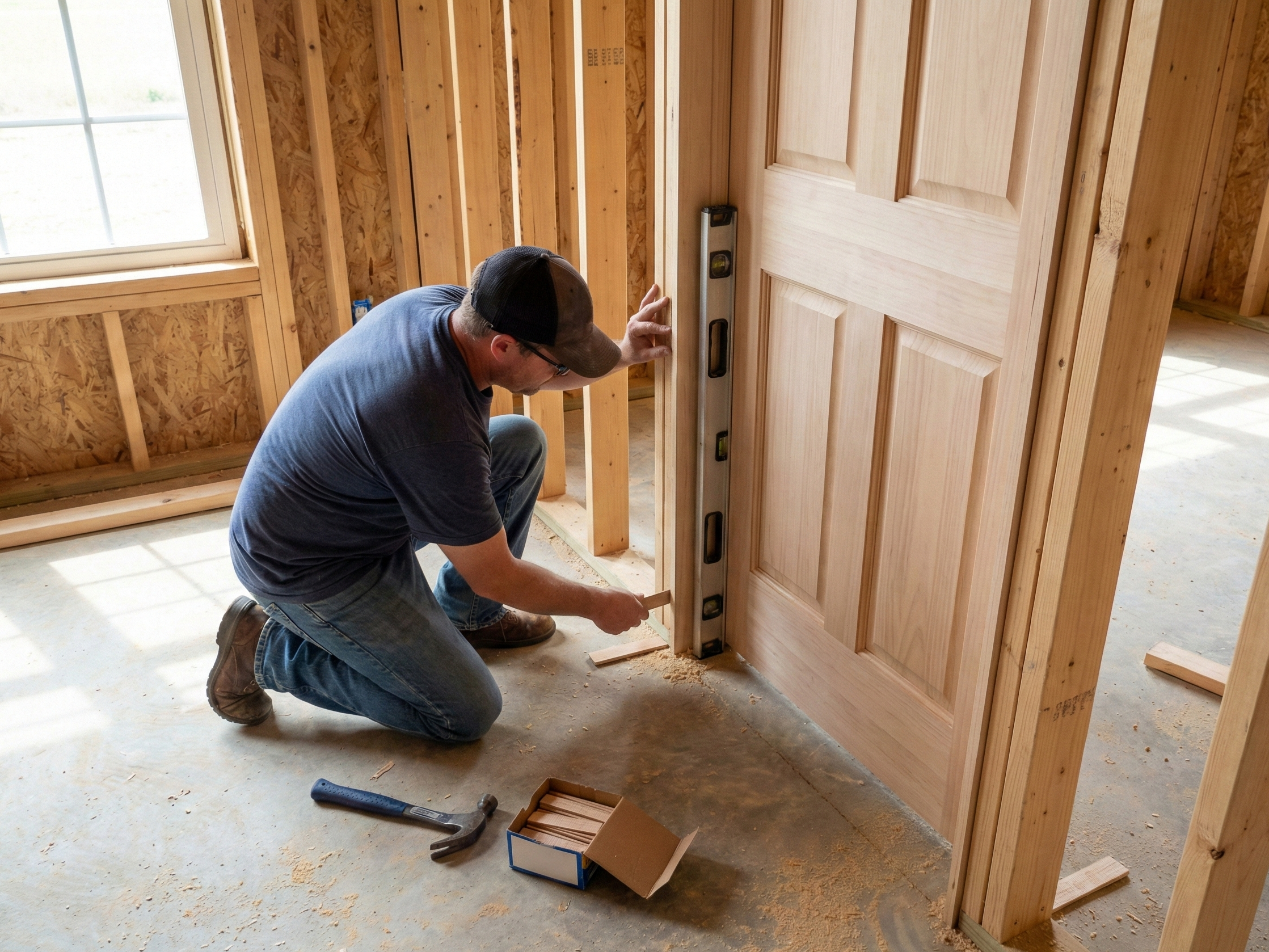
When a frame is out of alignment, it is hard to get consistent gaps and smooth latch behavior with a simple slab swap. A prehung install allows the opening to be set so the door:
- Swings smoothly
- Latches cleanly
- Has even gaps around the door
It is a bigger project, but it can be the cleanest way to solve persistent function problems.
3) Door styles: pick a consistent family
Interior door style affects how modern or traditional a home feels. Common considerations:
- Flat panel vs. raised panel looks
- Number of panels (often consistent across a home)
- Glass inserts for office or dining spaces (privacy vs. light)
Consistency often wins: matching the style across main sightlines makes the home feel intentional.
3a) Hollow core vs. solid core (comfort and sound)
Door feel is not only style. Door weight and sound behavior matter too. In general:
- Lighter doors can feel less substantial.
- Heavier doors can reduce sound transfer and feel more solid, but hardware and hinge planning matters more.
If you are replacing many doors, choosing one “door family” (style + construction type) usually produces the most cohesive result.
4) Paint vs. stain: what to decide early
Door finish affects planning:
- Painted doors can integrate with wall and trim colors.
- Stained doors require consistent wood tone decisions.
If you’re repainting interiors, door replacement often pairs naturally with painting work: Painting.
4a) Plan paint and hardware together
If doors and trim are being painted, planning hardware early helps avoid extra patching later. Changing hardware after paint often means:
- Filling old holes
- Touch-up painting
- Visible mismatch in sheen if touch-ups flash
If you want a simple paint planning checklist, start here: Interior painting prep.
5) Trim and casing: the “finish line”
Door replacement touches trim. Decisions include:
- Keep existing casing or replace for a refreshed look?
- Address gaps or uneven lines around old openings?
- Plan for clean caulk and paint lines if painted trim is part of the work
5a) What makes a door install look “new”
Many homeowners notice these finish details:
- Trim lines are straight and consistent.
- Caulk joints are clean (not heavy and lumpy).
- Paint lines at the casing look crisp.
- Gaps around the frame are addressed instead of hidden.
If there is drywall damage around an old frame, repairing it before final paint makes the whole opening look cleaner. These drywall guides can help:
6) Hardware planning: function and feel
Hardware decisions include:
- Knob/lever style
- Finish (matte black, brushed nickel, etc.)
- Privacy functions (bed/bath)
- Hinge finish and hinge size
Hardware also affects daily experience (how the door feels in hand and how smoothly it operates).
For a deep dive on handing and hardware basics, see: Door hardware and handing guide.
6a) Consistency across the home (a simple rule)
If you want a cohesive look, pick:
- One primary hardware finish
- One knob/lever style family
Then choose function by room (passage vs privacy). A consistent hardware plan is one of the fastest ways to make a home feel more “finished.”
7) Flooring changes can affect door clearance
If flooring is being replaced (vinyl or tile), door undercuts and clearances can change. Planning door work together with flooring prevents surprises:
7a) A simple sequencing plan (so you do not redo work)
If you are doing doors, trim, paint, and floors in the same time window, sequencing matters. A practical plan is:
- Structural and drywall fixes first. Patch around openings, fix loose trim, address squeaks or subfloor issues.
- Door and trim carpentry next. Install or reset the door, casing, and stops. Confirm latch operation and consistent gaps.
- Paint next (final coats last). Prime repairs and paint trim/doors. Save final coats until after heavier work to avoid scuffs.
- Floors last when possible. New floors are easy to scratch during door work and painting. If floors must go first, protect them and confirm door clearance before install day.
This is not the only sequence, but the goal is the same: do messy and high-impact work early so the final finishes stay clean.
8) FAQs
Can I replace just a few doors and leave the rest?
Yes, but the home may look more cohesive if door styles match. If you replace only a few, choose a style that blends with existing doors.
Why don’t doors line up perfectly in older homes?
Frames can be out of square due to settling and movement. That doesn’t mean replacement can’t look great—it means planning and fit matter more.
Is door replacement a good “pre-listing” upgrade?
Clean, consistent doors and hardware can improve first impressions. It’s often most impactful in main sightlines and high-use doors.
Do I need to replace hinges and strikes too?
Not always, but it is worth planning for. Mixing old hinges with a new slab can work, but only if hinge size and placement match and the frame is in good shape. If the door still feels rough after a slab swap, the issue may be hinge wear, frame alignment, or strike placement.
Next steps
- Door service details: Door installation
- Measurement guide: How to measure for door replacement
- Start a quote request: Request a quote
Need help planning the next step?
Share photos and rough measurements to get a clear yes/no on fit and the right follow-up.