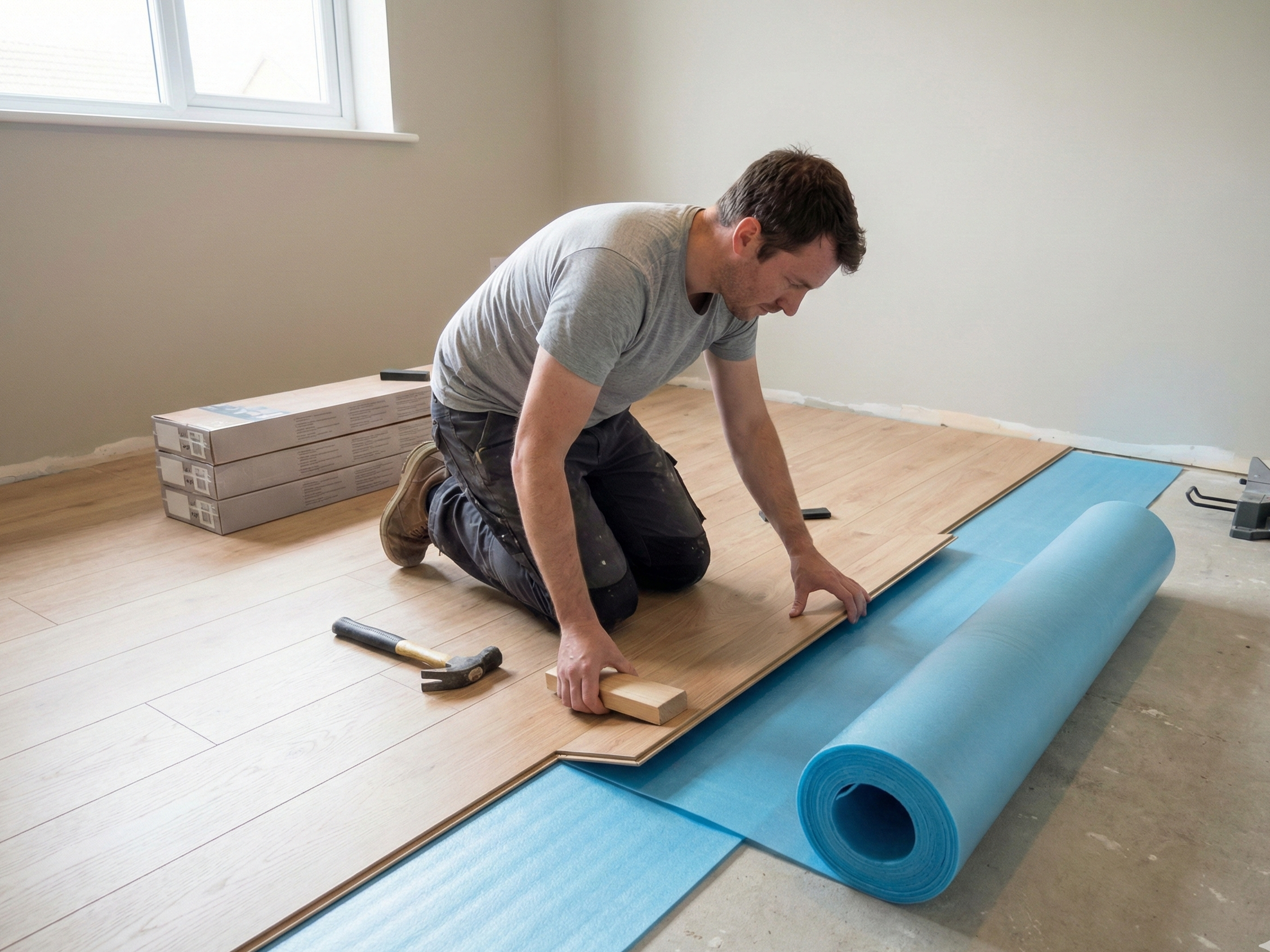
Small-area hardwood floor repair can be a great solution when the damage is isolated. It can also be frustrating when the expectation is “make it disappear completely” and the real project is a matching exercise involving board profile, sheen, color, age, and surrounding wear.
This guide is meant to set realistic expectations before materials are ordered or scope is guessed.
Quick takeaways
- Localized hardwood repair often works when the damage is limited.
- Matching is usually the hardest part.
- Thresholds and visible edge details can change the repair plan.
- Water or movement damage should be assessed honestly before boards are replaced.
1) The best repair candidates are small and well-defined
Small-area repair tends to work best when:
- Only a few boards are affected
- The damage is easy to locate and isolate
- The surrounding floor is stable
- The room does not need a full reset to look consistent
If damage runs across a larger section or repeats in the same area, the better question is whether the floor is asking for a larger solution.
If you are ready to get specific, see Hardwood Floor Repair.
2) Matching is usually the real challenge
A board replacement is not just a board replacement. Matching depends on:
- Board width
- Wood species or product line
- Finish sheen
- Stain tone
- Sun fade and wear level
Even with a good match, a newer repair can look fresher than the surrounding floor. That does not make the repair wrong. It just means the goal should be a clean, honest result instead of promising a time machine.
3) Spare boards help more than most homeowners expect
If you have leftover boards or product information, the repair conversation gets easier immediately.
If you do not have spare boards, helpful things to send include:
- Close-ups of the damaged area
- Wide shots of the room
- Board width measurements
- Any old product box, invoice, or builder note
That usually makes the first repair decision faster.
4) Water and pet damage should be treated seriously
When hardwood damage is tied to water or repeated pet wear, the visible boards may not be the whole story.
Questions worth asking early:
- Is the subfloor also affected?
- Is the moisture source still active?
- Are nearby boards starting to cup, lift, or discolor?
- Is the damage sitting beside an exterior threshold or transition?
If the issue is not just surface wear, the repair plan should account for that before new boards go in.
5) Thresholds and transitions can make a small repair feel bigger
A repair near a doorway or threshold is more visible because the eye notices:
- Height changes
- Transition strips
- Trim details
- The line where one flooring material meets another
This is why a “small” repair near a transition can sometimes take more planning than a larger repair in the middle of a room.
If you need help thinking through those edges, Flooring transition types guide is useful.
6) When a spot repair is usually realistic
Spot repair is usually realistic when:
- The damage is isolated
- Matching is achievable enough for the room
- The surrounding floor is stable
- The repair area is not part of a larger wear pattern
7) When the floor is asking for a broader solution
A larger plan may be the better answer when:
- Damage is spread across many boards
- Matching is poor enough to stay visually distracting
- The same area has been damaged more than once
- Moisture or movement affects a bigger section
- Transition or threshold details are also failing
If you are still deciding between repair and replacing with another floor type, Engineered Hardwood vs LVP in Kentucky Homes can help frame the bigger decision.
8) What to send before asking for a quote
The fastest hardwood-repair quote path usually includes:
- Wide photos of the room
- Close-ups of the damaged boards
- Approximate number of affected boards
- Any spare boards or product details
- Notes about water, pets, squeaks, or movement
- Photos of nearby thresholds, doors, or trim
That gives enough context to confirm whether the project fits small-area repair or needs a broader flooring plan.
9) FAQs
Can a few damaged hardwood boards be replaced?
Often, yes. Small-area repair is usually possible when the damage is localized and the surrounding floor condition supports it.
Will the repair match perfectly?
Not always. Matching depends on product availability, age, finish wear, and sun exposure. The goal is a repair that fits the room honestly and cleanly.
What if I do not know what kind of hardwood I have?
That is common. Photos, measurements, and any old product info still help narrow the repair options.
Is repair worth it if the damage is near a doorway?
Often yes, but doorway repairs deserve more planning because thresholds and visible edge details affect the finished look.
Next steps
- Service page: Hardwood Floor Repair
- Product comparison: Engineered Hardwood vs LVP in Kentucky Homes
- Start with the details: Quote request checklist
Need help planning the next step?
Share photos and rough measurements to get a clear yes/no on fit and the right follow-up.