The best time to handle a mixed handyman punch list is usually before the furniture shows up and before every room starts competing for attention. Small repairs feel much bigger once boxes are stacked, walls are blocked, and the deadlines get tighter.
Most move-in punch lists work best when the messy repairs happen first, the function issues get solved early, and the cosmetic touch-ups happen after the disruptive steps are finished.
Quick takeaways
- Do the messy work before the house fills up. Drywall repairs, paint touch-ups, caulk resets, and hardware installs are easier before furniture and art are in the way.
- Function problems should usually come before appearance-only fixes. Doors that do not latch, leaks, broken fixtures, and loose hardware should move to the top of the list.
- Group tasks by room and trade overlap. A punch list is easier to finish cleanly when related items are planned together.
- Photos and priorities beat a long unstructured list. A few labeled photos plus “must do first” notes usually speed up the quote more than a giant paragraph.
1. Start with safety and function first
Before you worry about touch-up paint, start with the items that affect use right away:
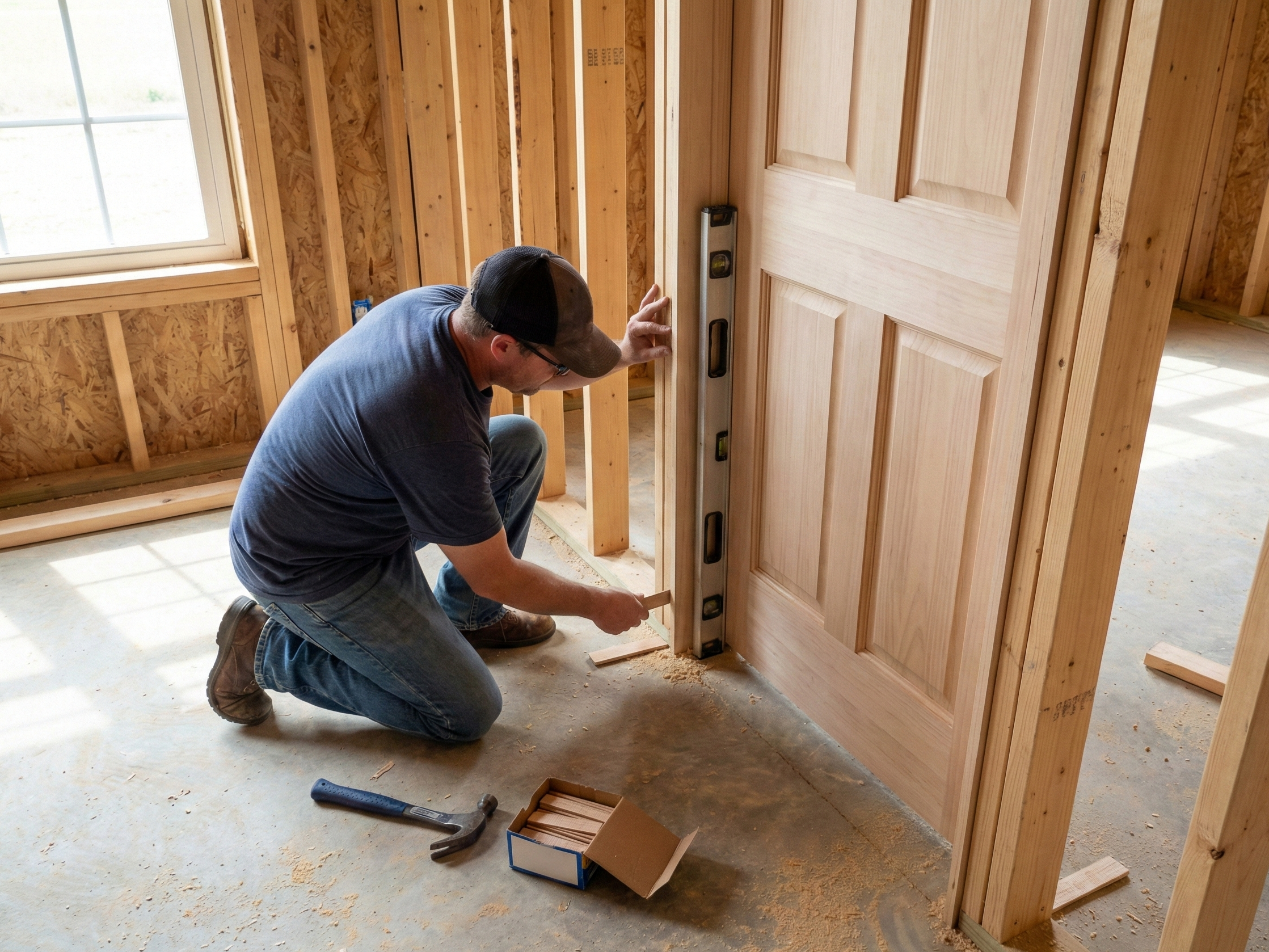
- doors that do not latch or rub
- loose railings or hardware
- faucet leaks or running toilets
- exposed damage that could worsen
- outlets, switches, or fixtures that are not functioning normally
- drafty exterior doors or failed weatherstripping
These issues usually deserve priority because they affect daily life immediately and can create more repair work if ignored.
Helpful companion page: Handyman services.
2. Handle the dusty and awkward repairs before the rooms are full
Many move-in punch lists include work like:
- drywall patching
- nail-hole repairs
- caulk replacement
- trim touch-ups
- ceiling patching from old fixtures
- wall prep before repainting
Those jobs are simply easier before furniture, rugs, and wall decor are in place.
Even small patching projects feel bigger once the room is set up. If the goal is to move in with a cleaner baseline, it usually makes sense to do those repairs first.
Helpful related guide: Drywall repair guide.
3. Doors, hardware, and thresholds are high-impact early wins
Move-in punch lists often overlook how much daily use comes from:
- sticking interior doors
- loose hinges
- misaligned strike plates
- missing doorstops
- thresholds that catch
- hardware that does not match from room to room
These details are not glamorous, but they affect the feel of the house right away.
If you already know doors or hardware need attention, include close-up photos of the hinge side, latch side, and threshold. That usually makes planning easier.
Helpful related guides:
4. Fixture installs and small swaps usually go better before full unpacking
Common move-in tasks include:
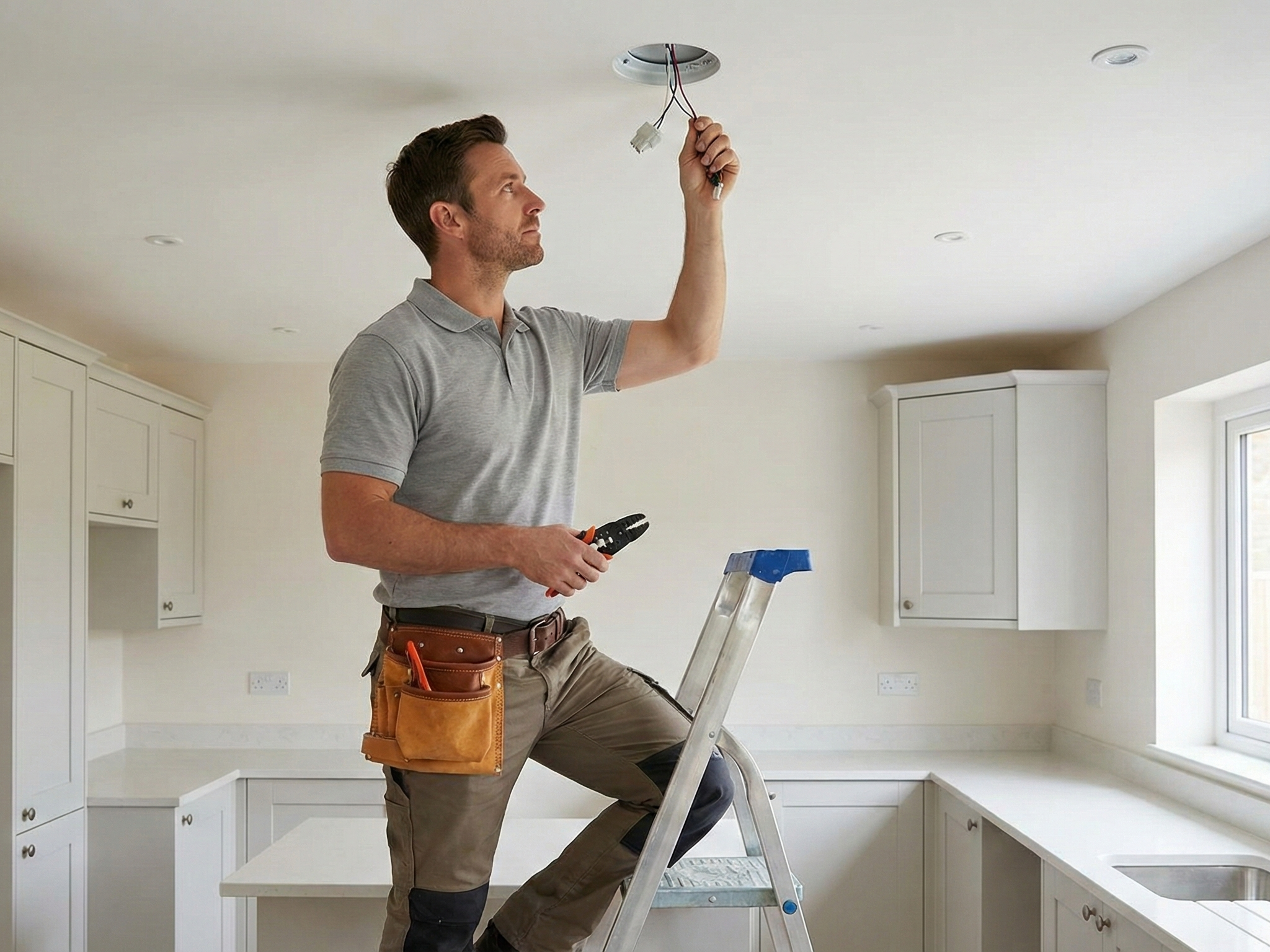
- light fixture swaps
- mirror and towel-bar installs
- curtain rod or blind installs
- shelf hanging
- toilet paper holder and hardware installs
- faucet and showerhead replacements
These are usually faster and cleaner before the walls are crowded and before every room has to be worked around.
If the list includes several small installs, grouping them together often makes more sense than trying to solve them as separate service calls later.
Helpful related guide: Minor fixture installation guide.
5. Caulk, sealant, and touch-up paint are worth doing before you settle in
Small finish items often get pushed aside during a move, but they affect how finished the home feels:
- caulk at tubs, showers, and backsplashes
- trim gaps and paint-ready seams
- exterior door sealing
- paint touch-ups after repairs
- wall scuffs and patch blending
These are the kinds of details that are easiest to address when the home is still partly open and the punch list is already active.
Helpful related guides:
6. Build the punch list by room, not just by random task
A cleaner move-in list usually groups work like this:
Entry and hall
- front door seal or threshold issues
- hardware tightening
- wall and trim touch-ups
Kitchen and bath
- caulk reset
- minor fixture installs
- cabinet hardware adjustments
- small drywall or paint corrections
Bedrooms and living areas
- nail-hole patching
- wall touch-ups
- blind or curtain installs
- sticking doors or latch adjustments
Grouping by room keeps the visit more efficient and reduces back-and-forth.
7. What to send for a faster move-in punch-list quote
Usually this is enough:
- a simple task list in priority order
- photos of each room or issue
- any move-in or closing deadline
- notes on whether materials are already purchased
- anything that has to happen before furniture delivery
If the list is long, label it like this:
- must do before move-in
- should do in the first two weeks
- can wait until later
That structure is often the difference between a vague punch list and a realistic first phase.
FAQs
What should I fix before moving in?
Usually the function and mess-heavy items first: leaks, doors that do not work right, drywall repairs, paint touch-ups, caulk, and small installs that are easier before rooms are full.
Is it better to do paint touch-ups before or after moving furniture in?
Usually before. It is easier to patch, sand, prime, and touch up when walls are open and the room is not crowded.
Can a handyman handle a mixed move-in list?
Often, yes. Mixed lists are common, especially when they involve repairs, installs, touch-ups, and small finish corrections rather than one large remodeling scope.
What makes a punch-list quote go faster?
Labeled photos, a short priority list, and a clear deadline. Those details usually matter more than writing a long description.
Next steps
If your list is mostly mixed repairs and installs, start with Handyman services.
If you are ready to send the list and photos now, use Request a quote.
Need help planning the next step?
Share photos and rough measurements to get a clear yes/no on fit and the right follow-up.