
Exterior Carpentry and Rot Repair Guide
Exterior wood rot is one of the most common—and most damaging—problems homeowners face. Left unchecked, rot spreads from trim to structural framing, turning a $200 repair into a $2,000+ project. This guide covers how to identify rot early, plan effective repairs, and prevent it from coming back.
Quick takeaways
- Find the water source. Rot needs moisture; fix caulk, flashing, gutters, or ventilation or it will return.
- Probe to confirm. Soft, crumbly wood or deep penetration with an awl means rot; solid wood resists.
- Remove all rot before repair. Replace or sister affected framing; don’t patch over rot.
- Flash and seal correctly. Proper flashing and paint or stain prevent recurrence.
What Causes Wood Rot
Water + Wood + Time = Rot
Rot happens when wood stays wet long enough for fungus to grow. The fungus digests the wood fibers, turning solid lumber into spongy, crumbly material.
Common sources:
- Missing or damaged caulking
- Failed paint or stain
- Poor flashing around windows and doors
- Clogged gutters causing overflow
- Ground contact or splash-back
- Lack of ventilation (behind siding, in soffits)
Where rot typically starts:
- Window sills and trim
- Door thresholds and brick mold
- Fascia and soffit
- Porch posts and railings
- Deck boards and framing
- Bottom of siding near grade
Identifying Wood Rot
Visual signs:
- Discolored or darkened wood
- Cracked or peeling paint
- Soft, spongy texture when pressed
- Crumbly or flaky wood that breaks easily
- Mushrooms or fungal growth
The ice pick test:
- Gently probe suspected areas with an awl or ice pick
- Solid wood resists penetration
- Rotted wood feels soft, crumbles, or allows deep penetration
Dry rot vs. wet rot:
- “Dry rot” is a misnomer—all rot needs moisture
- Surface may feel dry while interior is rotted
- Always probe beneath surface paint/stain
Rot Repair Planning
Assess the extent:
- Rot is usually worse than it first appears
- Probe surrounding areas thoroughly
- Look for water source (often multiple issues)
Determine repair vs. replacement:
- Small surface rot: Can often be consolidated with epoxy
- Localized rot: Cut out and patch/sister in new wood
- Extensive rot: Full replacement required
- Structural rot: May require engineered repair or replacement
Material selection:
- Solid wood: Match existing species if possible
- Pressure-treated: For high-moisture areas or ground contact
- PVC/composite: Low-maintenance option for trim
- Cedar or redwood: Naturally rot-resistant
- Engineered lumber: Consistent, moisture-resistant
Repair Process
Step 1: Remove all rotted material
- Cut back to solid wood
- Remove at least 6” beyond visible rot
- Probe edges to confirm solid wood
- Clean cavity thoroughly
Step 2: Identify and fix water source
- This is the most important step
- Missing caulk? Fill it.
- Poor flashing? Replace it.
- Bad drainage? Fix grading or gutters.
- No drip edge? Add one.
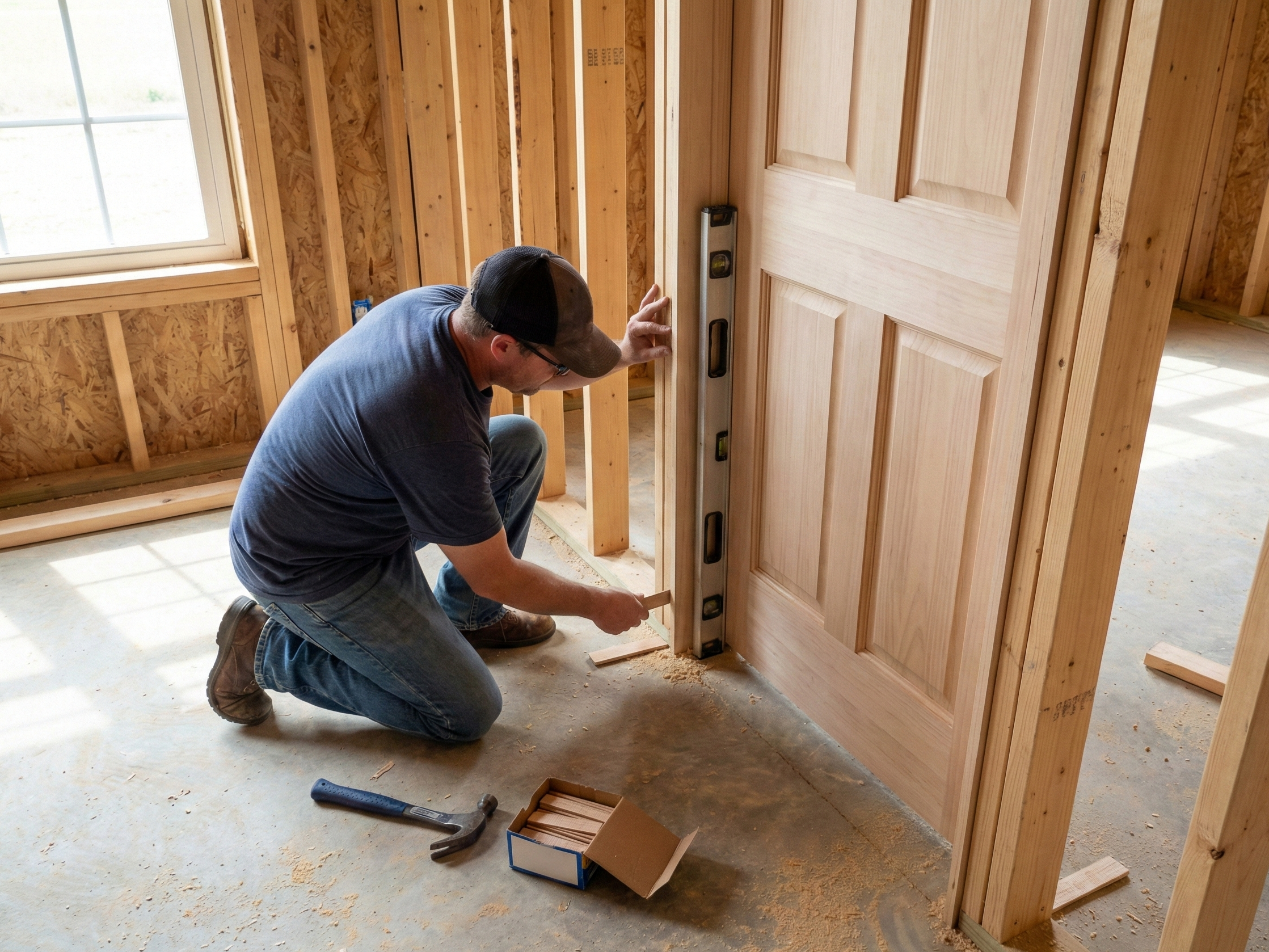
Step 3: Sister or patch
- Cut new wood to fit
- Use fasteners appropriate for exterior (stainless, hot-dipped galvanized)
- Leave expansion gaps for solid wood
- Prime all six sides before installation
Step 4: Flash and seal
- Install proper flashing before siding/trim goes back
- Caulk all seams and joints
- Ensure water can drain away, not trap
Step 5: Prime and paint
- Bare wood must be primed
- Two coats of quality exterior paint
- Don’t skip end grain—most vulnerable area
Epoxy Consolidation (Small Surface Rot)
When to use epoxy:
- Surface rot (less than 1/4” deep)
- Wood is structurally sound but soft
- Intricate molding profiles that are hard to replace
Process:
- Drill small holes into rotted area
- Apply liquid epoxy consolidant (soaks into wood)
- Let cure per manufacturer directions
- Apply epoxy filler to rebuild surface
- Sand smooth and prime/paint
Limitations:
- Does NOT fix structural issues
- Only effective if water source is fixed
- More expensive than wood replacement for large areas
Fascia Rot Repair
Common causes:
- Clogged gutters overflowing
- Missing or damaged drip edge
- Ice dams in winter
Typical repair:
- Remove rotted fascia
- Check rafter tails (often rotted too)
- Sister in new treated lumber if rafters affected
- Install new fascia (treated or composite)
- Install/repair drip edge
- Reinstall gutters with proper slope
Prevention:
- Clean gutters twice a year
- Ensure drip edge directs water into gutter
- Paint or seal fascia regularly
Window and Door Trim Rot
Common causes:
- Missing or failed caulk joints
- Poor flashing at head of window/door
- Sill slope directs water into trim instead of away
Typical repair:
- Remove rotted brick mold or trim
- Check window/door frame and rough opening
- Repair structural framing if affected
- Install proper head flashing
- Install new trim (PVC or treated wood)
- Caulk all joints
- Prime and paint (two coats)
Prevention:
- Re-caulk every 3-5 years
- Ensure sills slope away from building
- Keep paint in good condition
Porch and Deck Rot
Common causes:
- Ground contact or near-ground splashing
- Standing water on horizontal surfaces
- End grain exposed to weather
- No proper flashing at house connection
Typical repair:
- Replace rotted boards with pressure-treated lumber
- Add post bases to lift posts above grade
- Improve drainage and grading
- Seal all end grain
- Install proper ledger flashing
Prevention:
- Keep wood off ground (6” minimum)
- Slope surfaces for drainage
- Seal/stain every 2-3 years
- Clean debris from between boards
Cost Estimates
DIY repairs (materials only):
- Small trim patch: $20-50
- Window sill replacement: $50-150
- Fascia section (8-12 feet): $100-300
- Porch post: $75-200
Professional repairs (labor + materials):
- Small trim patches: $150-400
- Window sill replacement: $300-600
- Fascia rot repair: $500-1,500
- Porch post replacement: $400-1,000
- Extensive structural rot: $2,000-10,000+
When to Hire a Pro
- Structural rot affecting framing
- Rot in hard-to-access areas (upper stories, steep roofs)
- Complex flashing repairs
- Matching historic or custom trim profiles
- If repair requires siding removal and reinstallation
- Large projects (multiple areas of rot)
Prevention is Cheaper Than Repair
Annual maintenance:
- Inspect all exterior wood for early signs of rot
- Re-caulk joints before old caulk fails
- Keep gutters clean
- Maintain paint/stain in good condition
- Fix small problems before they become big
Design for longevity:
- Slope all horizontal surfaces
- Provide adequate drip edges
- Keep wood away from ground contact
- Ensure proper flashing at vulnerable points
- Use naturally rot-resistant or treated materials in high-moisture areas
The 10-year rot cycle: Most exterior wood rot follows a predictable timeline:
- Years 0-5: Paint/caulk in good condition, no issues
- Years 5-8: Caulk begins failing, minor water intrusion starts
- Years 8-10: Surface rot begins, visible signs appear
- Years 10+: Significant rot if not addressed
Catch it in the 5-8 year window (failing caulk, minor intrusion) and you’ll spend $50-200 on maintenance. Wait until years 10+ and you’re looking at $500-5,000 in repairs.
The key to affordable exterior carpentry maintenance is addressing water intrusion before wood rot begins. Inspect annually, maintain caulk and paint, and fix small problems fast. Your trim—and your wallet—will thank you.
Need help planning the next step?
Share photos and rough measurements to get a clear yes/no on fit and the right follow-up.