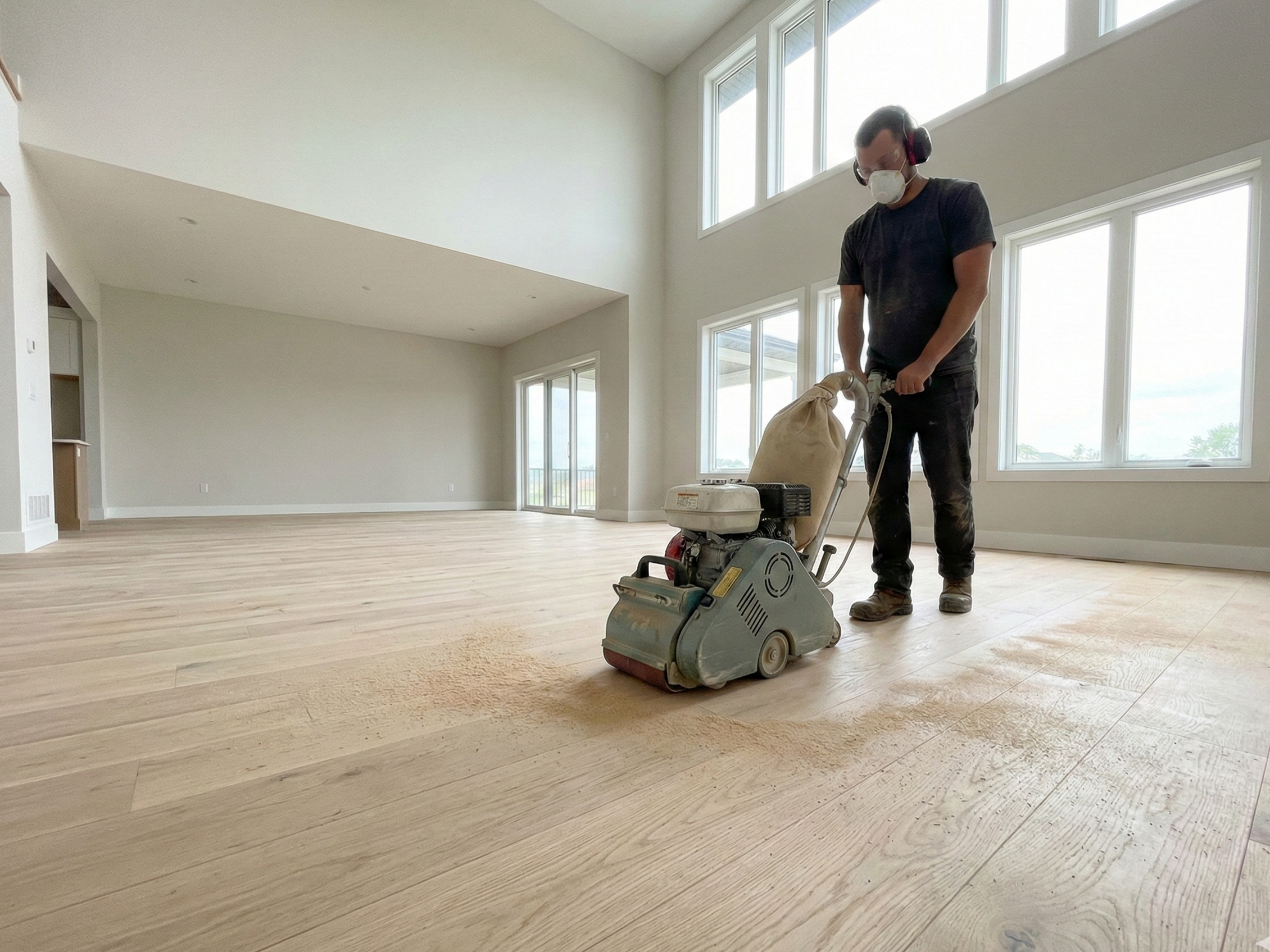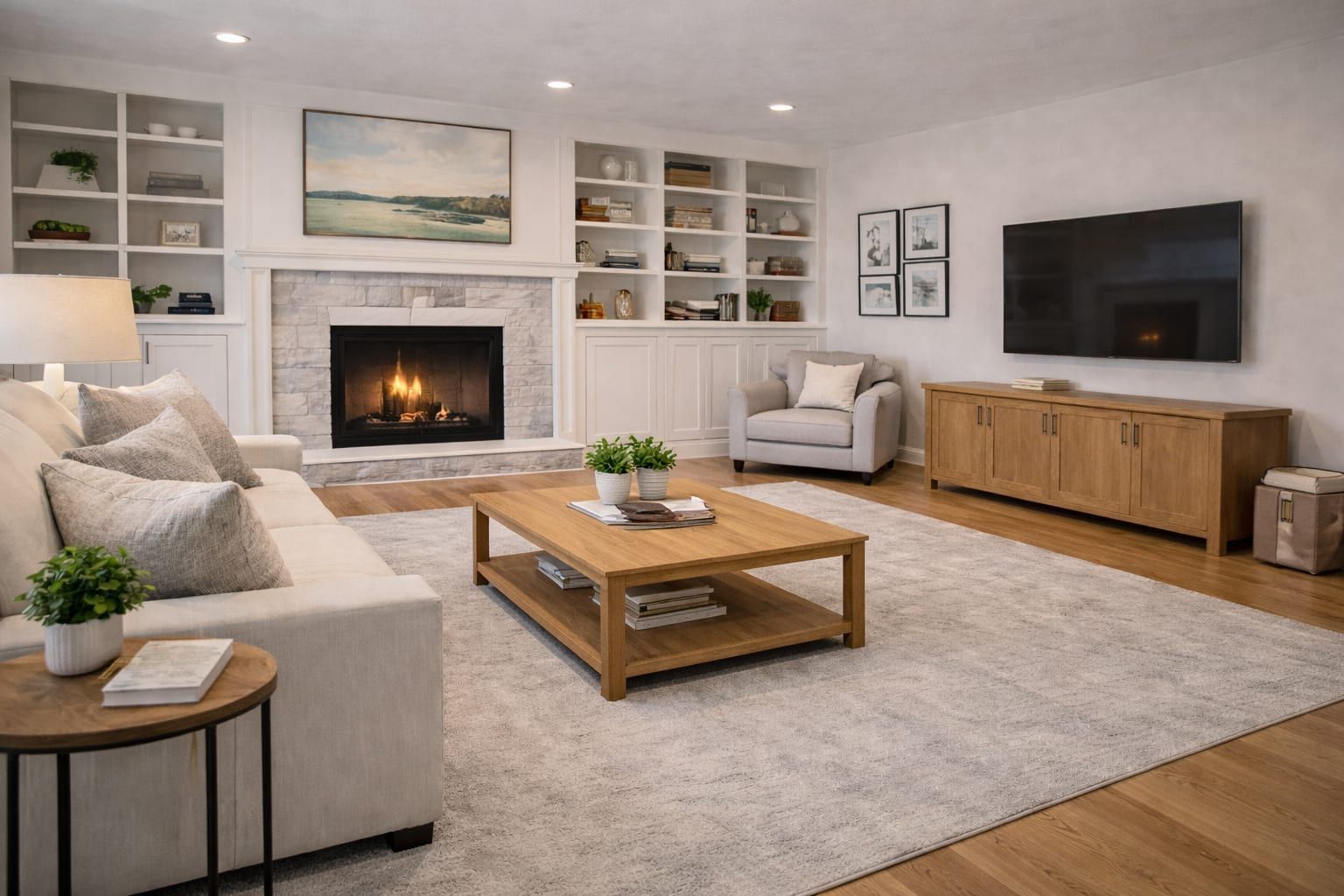
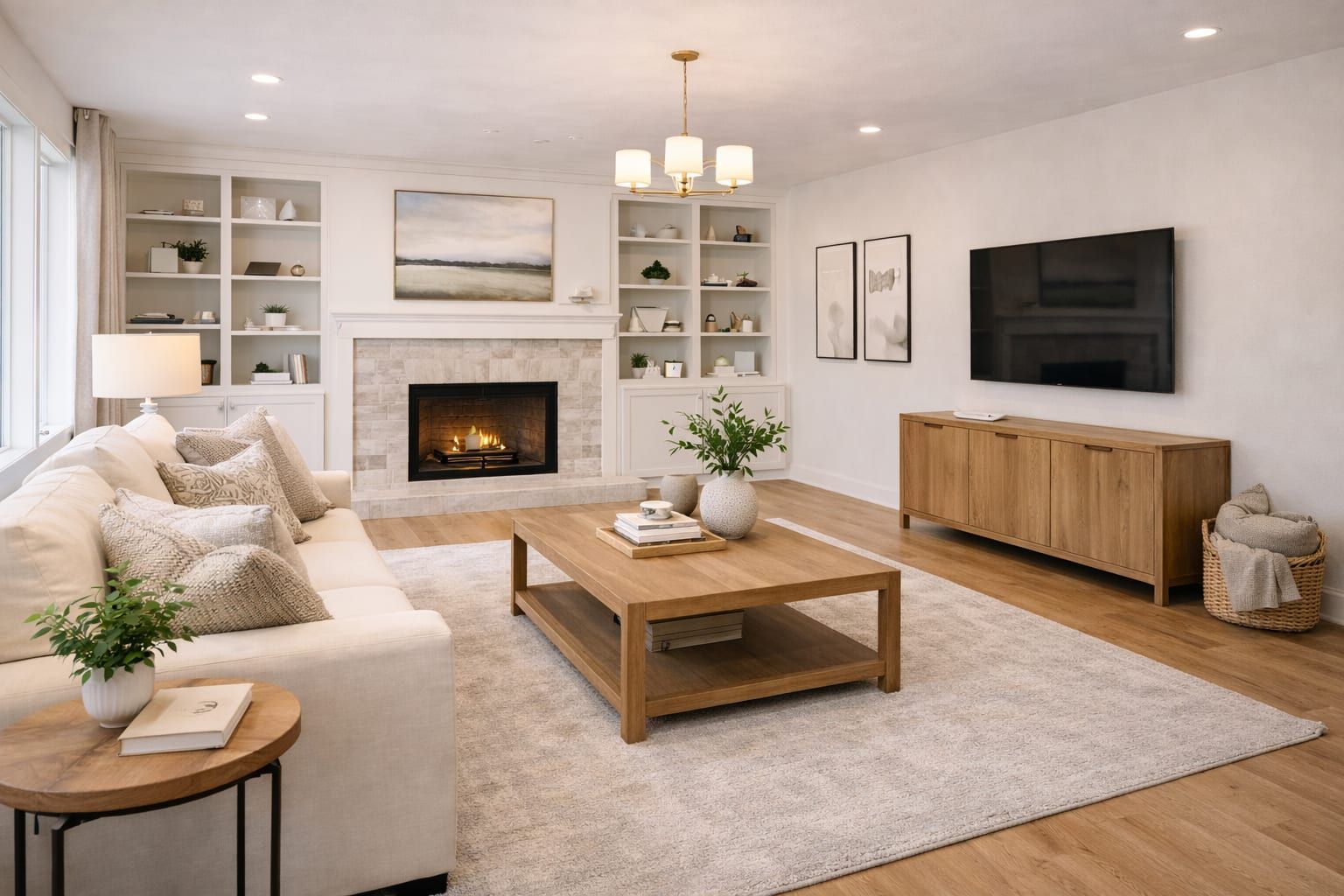
Engineered hardwood and LVP often compete for the same rooms because both can deliver a clean wood-look floor. The choice usually comes down to more than style. In Kentucky homes, basements, additions, older subfloors, seasonal humidity swings, and mixed flooring transitions all change what will actually perform well.
This guide is meant to help you decide which questions matter before you order materials.
Quick takeaways
- LVP usually handles moisture risk more comfortably.
- Engineered hardwood gives you a real-wood surface and a different finish character.
- Transitions and room conditions matter more than most product marketing suggests.
- The best choice depends on the room, not just the sample.
1) Start with the room conditions, not the showroom sample
The first question is not “Which one looks better?”
It is:
- Is this room over a slab, basement, or older wood subfloor?
- Is there any moisture history?
- Will this floor meet tile, exterior thresholds, or stairs?
- Do you want a real-wood surface badly enough to plan around it?
If the room is simple and dry, you may have wider choice. If the room has moisture, height changes, or multiple transitions, that affects the answer fast.
2) Moisture tolerance is one of the biggest dividing lines
LVP is often easier to recommend when moisture is a real concern. That matters in:
- Basements
- Entry-heavy rooms
- Mudroom-adjacent spaces
- Homes with pets or repeated spills
Engineered hardwood can absolutely be the right choice in many rooms, but it deserves a more moisture-aware planning conversation. If a room has known dampness or an uncertain slab condition, that should be settled before product choice becomes a style decision.
If you are leaning toward wood, start with Engineered Hardwood Flooring. If the room needs a more resilient plan, see Vinyl Plank Flooring.
3) The visible difference is not only color or grain
Many homeowners think of this as a style comparison, but the lived-in experience is broader:
- Underfoot feel
- Surface temperature
- How the room sounds
- How transitions look at doors and stairs
- How repair or replacement might work later
Engineered hardwood often wins the “real wood” conversation. LVP often wins the “practical tolerance” conversation. The right answer depends on which matters most in that room.
4) Kentucky homes often create mixed-condition floors
One reason this comparison matters here is that many homes have uneven or mixed conditions:
- Old and new additions tied together
- Main level wood subfloor with slab or basement spaces elsewhere
- Multiple flooring types already in place
- Exterior doors and thresholds that affect finished height
That makes transition planning a bigger deal than it first appears. If the chosen floor meets tile, vinyl, stairs, or an exterior sill, the finished height needs a plan early.
For the threshold side of the conversation, Flooring transition types guide is worth reading before you buy materials.
5) Repair expectations are different
Some homeowners want the floor that is easiest to live with. Others care more about the look and are willing to plan around it.
Questions worth asking:
- If a board gets damaged, how realistic is a small-area repair?
- If the room gets heavy grit or pet traffic, which floor fits your tolerance for wear?
- If the floor is near water risk, how much uncertainty are you willing to accept?
If repairability is part of the decision, Hardwood floor repair for small areas helps explain what realistic spot repair looks like.
6) Trim and threshold details should influence the choice
The finished quality is often judged at:
- Doorways
- Stair noses
- Exterior thresholds
- Baseboards and trim returns
If a floor is being chosen without thinking about thresholds, the project is only half planned. This is especially true if doors are being updated too. In those cases, Door Installation and flooring should be planned together so clearances and transitions stay clean.
7) When engineered hardwood is usually the stronger fit
Engineered hardwood usually deserves the lead conversation when:
- You want a true wood surface
- The room conditions are stable enough for it
- Finish character matters more than maximum moisture tolerance
- You are willing to plan carefully around thresholds and room conditions
8) When LVP is usually the stronger fit
LVP usually deserves the first look when:
- Moisture tolerance is a priority
- The room is near an entry or basement condition
- The project needs a more forgiving day-to-day floor
- You want a strong practical answer for mixed-condition homes
9) FAQs
Is engineered hardwood always better because it is real wood?
Not automatically. It can be the better fit when the room supports it and the look matters most, but room conditions still decide whether it is the smart choice.
Is LVP the safer option for basements?
Often, yes. Basements and slab-related rooms usually make moisture tolerance a more important part of the decision.
Do thresholds and stairs affect which product I should choose?
Yes. Many flooring decisions that look simple on a sample board become edge-detail decisions once the floor meets a stair, doorway, or another material.
What should I send if I want help deciding?
Room list, rough sizes, product links you are considering, and photos of doorways, thresholds, stairs, and any moisture-risk areas.
Next steps
- Compare service details: Engineered Hardwood Flooring and Vinyl Plank Flooring
- If you need a quote-ready list, use Quote request checklist
Need help planning the next step?
Share photos and rough measurements to get a clear yes/no on fit and the right follow-up.