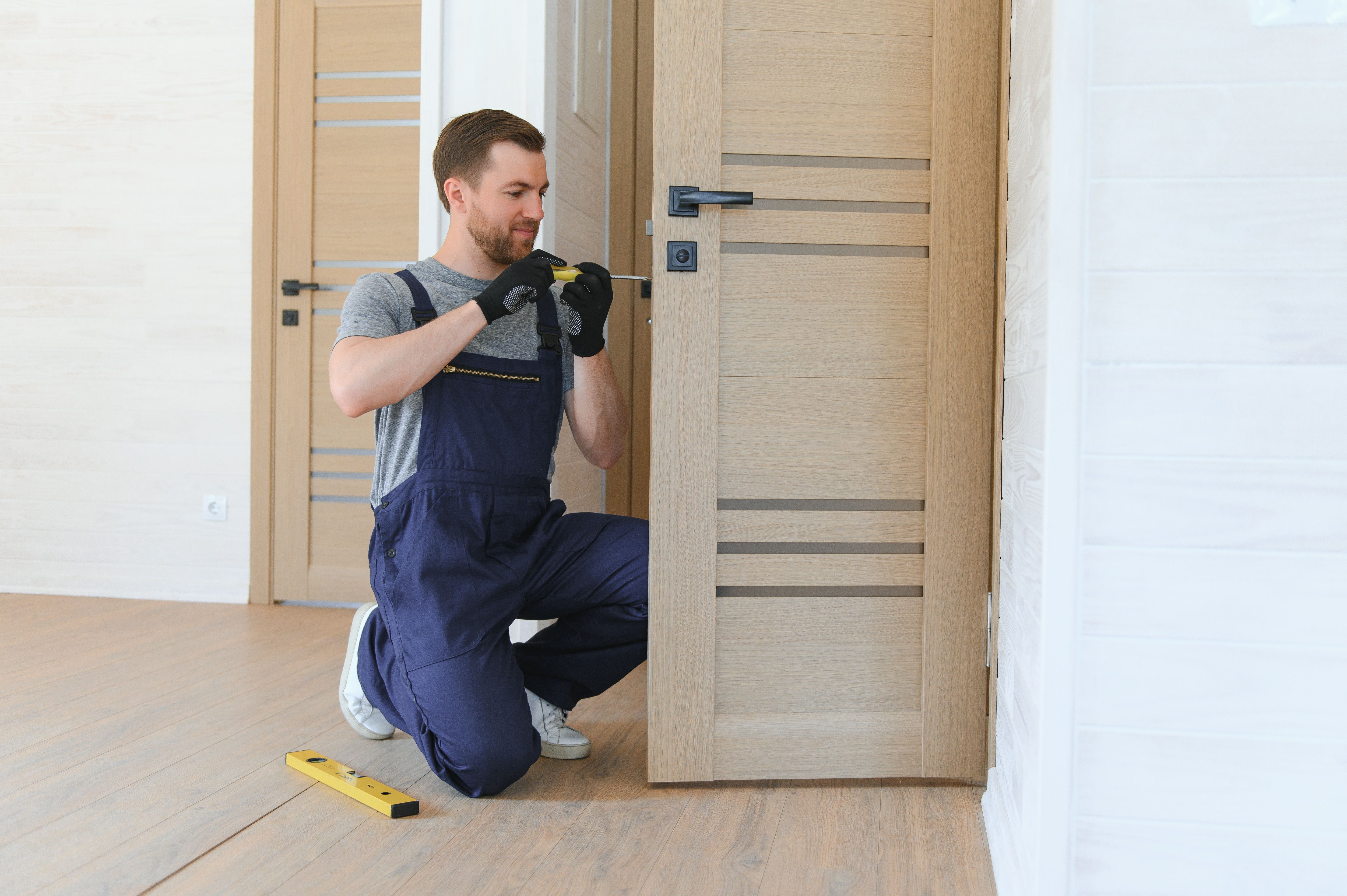
Door hardware seems like a small detail until you’re ordering parts and trying to make everything align: hinges, latch location, knob/lever style, privacy functions, and (for exterior doors) keying decisions. Hardware also affects daily feel—how the door sounds when it closes, how it latches, and how it looks in a main sightline.
This guide explains the hardware basics homeowners can use to plan a smooth door install. For homeowners in the Greater Lexington, KY area, consistent door hardware is a simple upgrade that changes daily feel quickly.
Quick takeaways
- Handing matters. Swing direction and hinge side affect ordering and installation.
- Backset and bore holes matter. Hardware needs to match door prep.
- Hinge sizing affects alignment. Mismatched hinges can change how doors sit.
- Exterior hardware adds keying and weather considerations. Plan those early.
0) Start with a simple plan: what are you changing?
Door hardware work can mean a few different things:
- Swap hardware only (keep the door and frame)
- Swap the slab door and reuse the frame
- Install a prehung door (door + frame) and new hardware
The “right” approach depends on how the door is currently functioning and what finish standard you want. If you’re not sure, start with measurements and photos: How to measure for door replacement.
If you’re updating multiple doors, consistency is a big quality lever. Using the same style and finish across main sightlines makes the home feel intentional.
1) Handing: the most common ordering mistake
Handing describes hinge side and swing direction. A practical method:
- Stand on the side the door swings toward (you pull it open toward you).
- Note hinge side (left or right).
If you’re unsure, photos from both sides usually clarify it quickly.
For measurement basics, see: How to measure for door replacement.
2) Knob vs. lever: comfort and accessibility
This is often a preference decision, but consider:
- Levers are easier to operate with full hands.
- Knobs can feel traditional and compact.
- Consistency across the home usually looks best.
2a) Room-by-room function decisions (quick guide)
Hardware is not only style. It is function. A practical breakdown:
- Hall closets and linen closets: passage hardware is common.
- Bedrooms: privacy hardware is common.
- Bathrooms: privacy hardware is common, but consider emergency access needs.
- Garage entry doors (interior side): depends on the door function and household preference.
If you want to avoid overthinking it, choose one lever/knob style for the whole home and then choose function by room.
3) Privacy, passage, and keyed functions
Interior hardware typically falls into:
- Passage (no lock): closets, hallways
- Privacy (locking): bathrooms, bedrooms
Exterior hardware often includes keyed locks. Keying strategy (one key vs. different keys) is a practical decision to make early.
3a) Keying strategy for exterior doors
If you’re updating exterior doors, keying decisions come up quickly:
- Do you want all exterior doors keyed alike (one key)?
- Do you want separate keys for different doors?
- Are you adding a keypad or smart lock and keeping a mechanical backup?
There is no single right answer. The goal is to pick a plan that fits how you live and then keep it consistent.
4) Backset and latch alignment (in simple terms)
Hardware needs the latch to align with the strike plate. Doors are typically prepped for common hardware standards, but older doors can vary. If you’re replacing a slab door and keeping the frame, aligning these details matters more.
4a) Bore holes and existing doors (why older homes can be tricky)
When you keep an existing frame or existing door prep, hardware must match the existing hole locations. Common issues include:
- Bore holes that are not the modern standard size
- Backset that differs from what a new lockset expects
- Strike plate locations that do not align perfectly
This does not mean hardware upgrades are impossible. It means planning and confirmation matter more, especially in older homes.
4b) Strike plates and “sticky latches”
If a door does not latch smoothly, the cause is often:
- Door/frame out of square
- Hinge alignment issues
- Strike plate misalignment
Small adjustments can sometimes improve function, but if the frame is significantly out of alignment, a deeper plan may be needed.
5) Hinges: sizing and finish
Hinge choices affect:
- How the door swings
- How evenly gaps sit around the door
- The overall look (hinges are visible)
If you’re replacing multiple doors, using consistent hinge finish improves consistency.
5a) Hinge count and door weight (high-level)
Heavier doors often need more support. Even without getting technical, a simple planning thought helps:
- If a door feels heavy, or if you are switching from a hollow-core door to a heavier solid door, hinge planning matters.
- If the door is already sagging or rubbing, hinge and frame alignment should be assessed before simply swapping hardware.
6) Coordination with painting and trim
Door replacement often goes with painting because:
- Trim touch-ups are common after door work
- Hardware changes can require patching or repainting
If painting is part of the project, planning it together can improve the final finish: Painting.
If you’re repainting trim and doors, it’s usually smart to plan hardware changes at the same time. Otherwise you can end up patching old holes and then repainting again later.
7) Exterior doors: hardware plus weather sealing
Exterior doors add:
- Weatherstripping compression needs
- Threshold and sweep considerations
- Water management considerations at the sill
If you’re planning exterior door work, this guide helps you know what to look for: Exterior door sealing basics.
7a) Security and “feel” details that homeowners notice
Two exterior doors can look similar and feel very different. Homeowners often notice:
- Does the door close smoothly or does it require a slam?
- Does the latch engage cleanly?
- Does the deadbolt turn smoothly?
- Does weatherstripping compress evenly without gaps?
These are usually installation and alignment details, not just a “hardware brand” issue. Planning and fit matter.
7b) Door stops and small parts that prevent damage
Hardware planning is also about the small things that protect the door and the wall:
- Door stops: prevent doorknob holes and repeated wall dents.
- Hinge condition: worn hinges can contribute to sagging and uneven gaps.
- Strike plate screws: longer, properly seated screws can help stability in some situations.
If a door has been hitting a wall for years, it is common to have drywall damage behind it. Planning for a stop and a small repair often improves the finished look: Drywall repair basics.
8) Quote checklist: what to send for door hardware planning
If you’re requesting a quote for door installation or hardware updates, these details help:
- Photos of each door (both sides)
- Close-ups of hinges, latch area, and strike plate
- Notes about any rubbing, sticking, or draft concerns
- Your preference for knobs vs levers and finish style
- Whether you want keyed alike for exterior doors
If you’re not sure, start with photos and “what bothers you” about the current doors. That usually clarifies what’s needed quickly. Clear photos save time and prevent ordering mistakes.
9) FAQs
Can I reuse old hardware on a new door?
Sometimes. It depends on door prep (hole sizes) and condition of the hardware. Many homeowners choose new hardware for a consistent update.
Why does the door latch not line up after replacement?
Frames can be out of square, hinge alignment can shift, or the latch/strike locations may not match exactly. Planning and fit details matter.
Do hardware finishes have to match faucets and lights?
Not necessarily, but a coherent plan helps. Matching within a room or within main sightlines is often a good approach.
Should I replace hinges when I change door hardware?
Not always, but it is worth considering if hinges are worn, squeaky, or mismatched. Hinges are visible, and mixing finishes can make a door look inconsistent. If you are updating many doors, choosing one hinge finish and one hardware finish usually looks cleaner.
What is the easiest way to avoid ordering the wrong hardware?
Confirm handing, confirm whether the door is prepped for standard hardware sizes, and take photos. Most mistakes happen when one of those pieces is guessed.
Can I change hardware without changing the door?
Often, yes. The key is whether the existing door prep matches the new hardware. If it does not, the work can change.
Next steps
- Door service details: Door installation
- Measurement guide: How to measure for door replacement
- Start a quote request: Request a quote
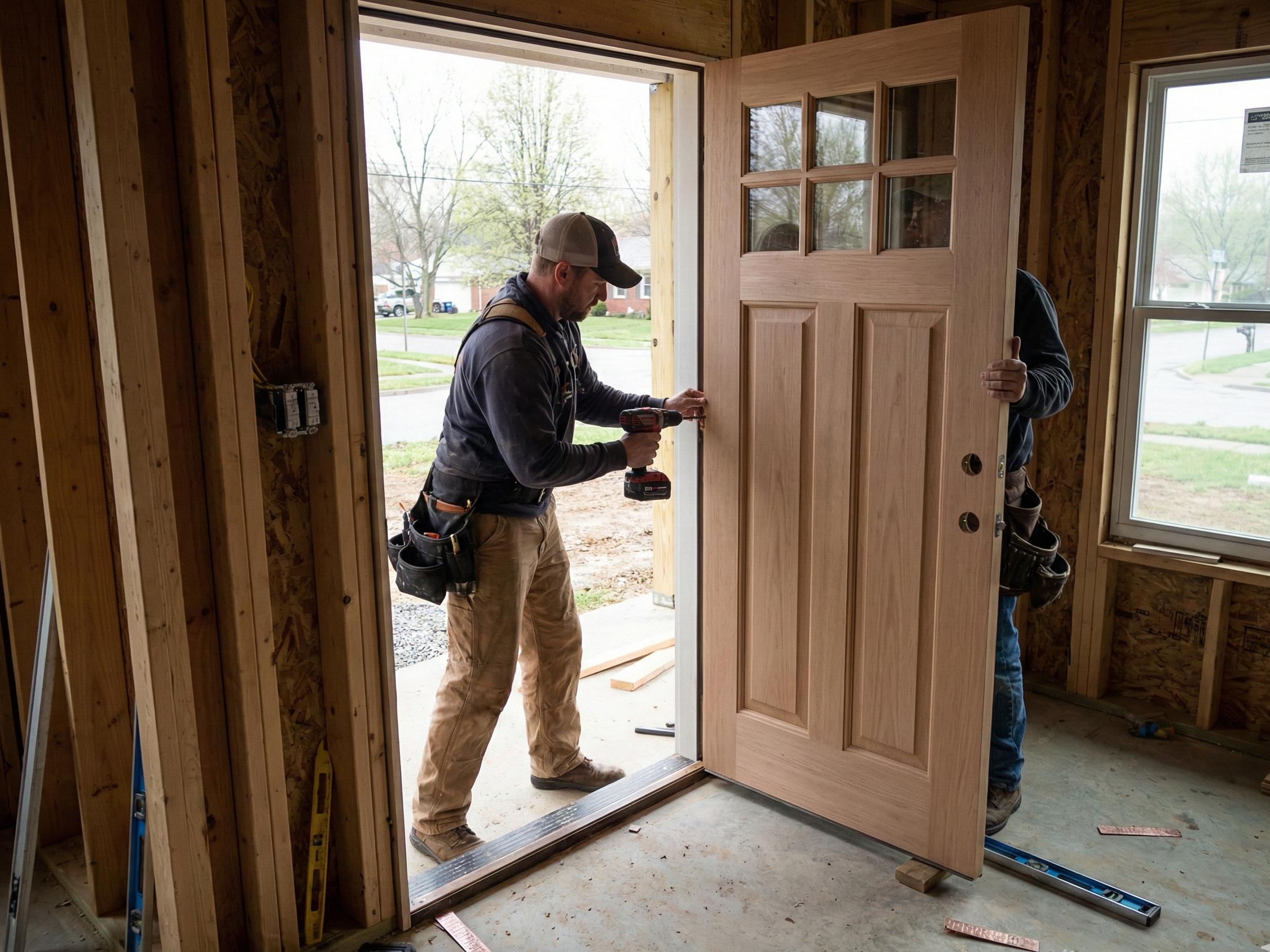
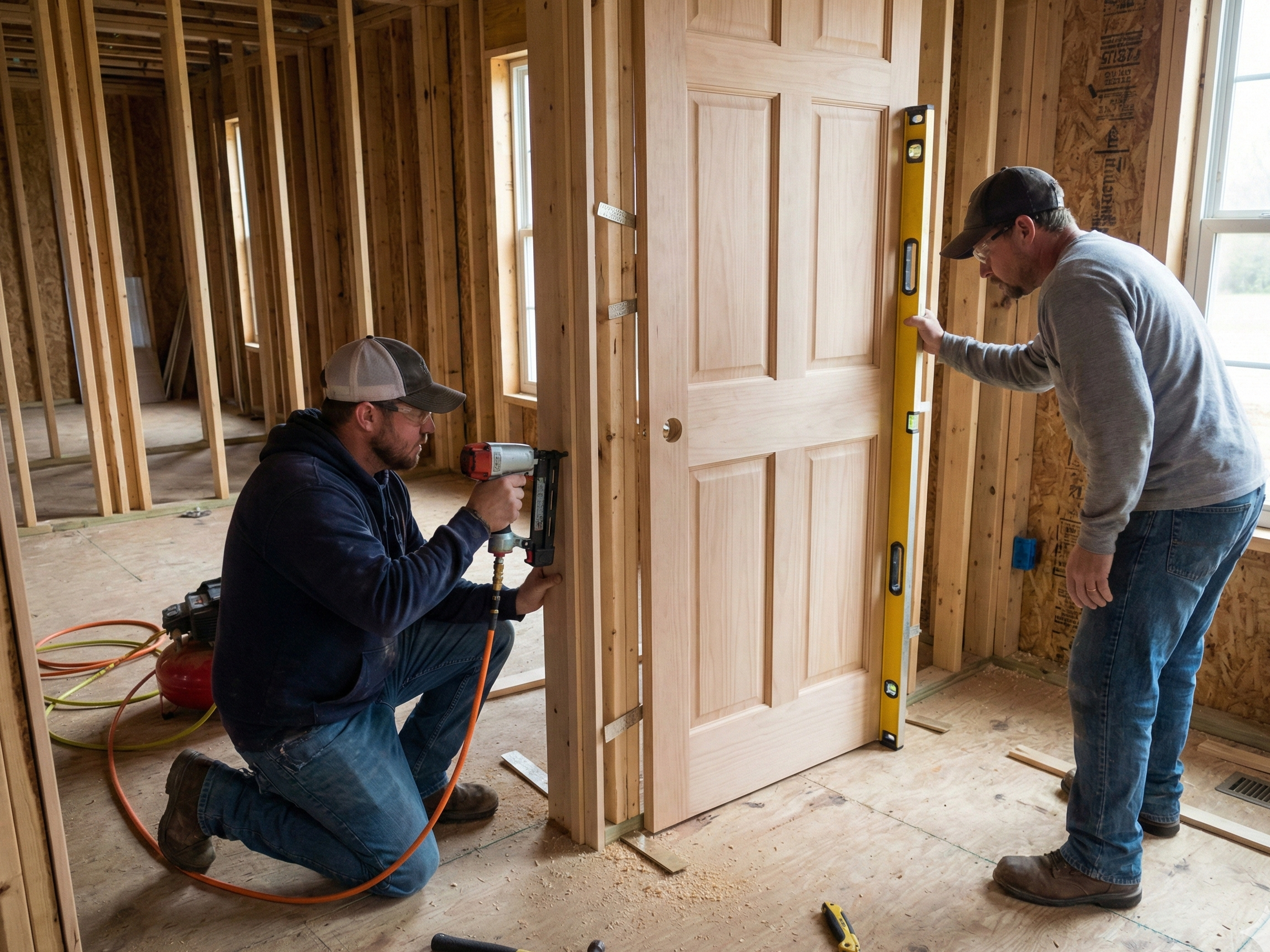
Need help planning the next step?
Share photos and rough measurements to get a clear yes/no on fit and the right follow-up.