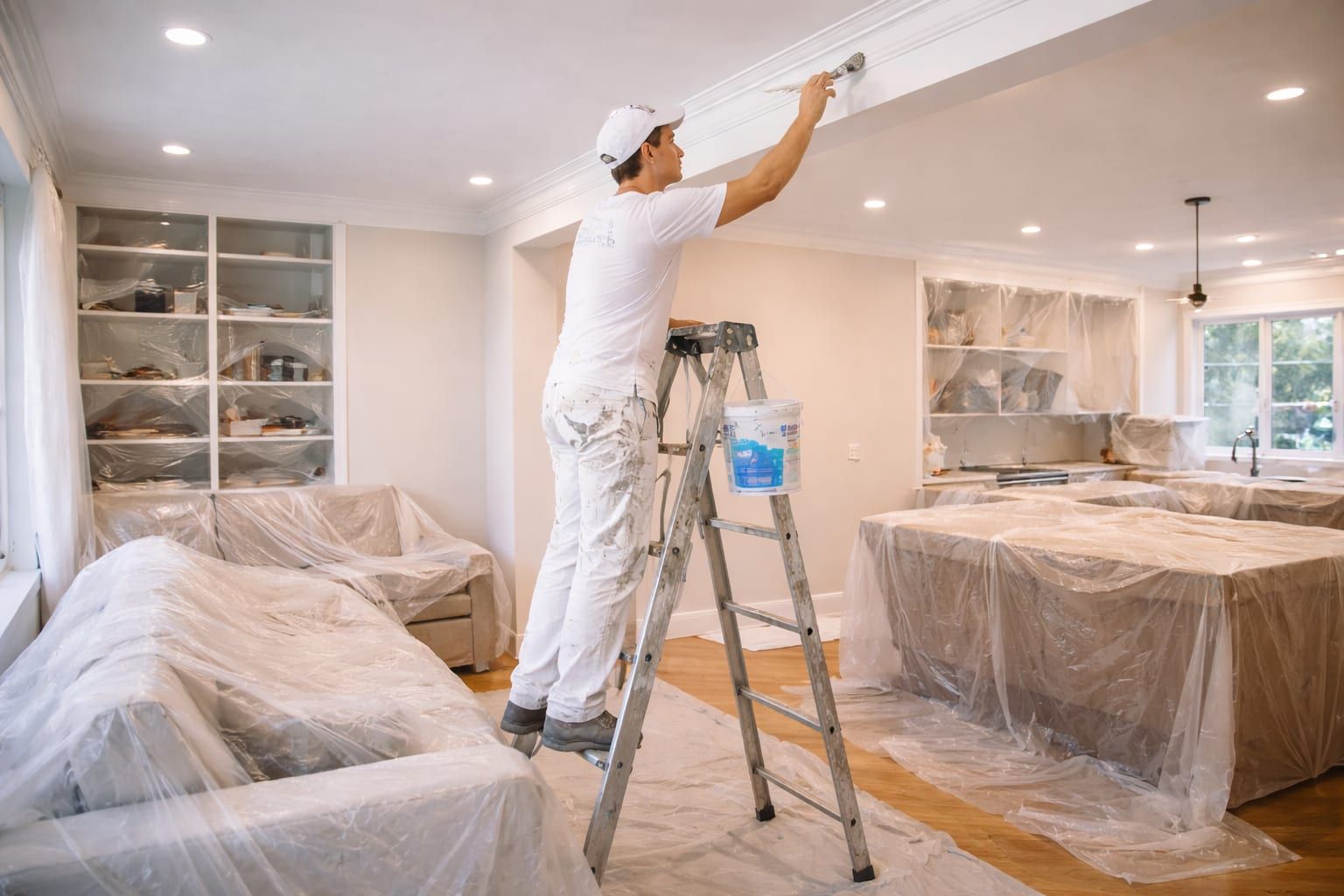
Many kitchen projects start with the same question: should we paint the cabinets we have, or replace them entirely?
The right answer is rarely about color alone. It depends on cabinet box condition, door style, storage function, layout issues, hardware goals, and how the cabinet decision fits the rest of the kitchen plan.
Quick takeaways
- Paint makes sense when the cabinet boxes are sound and the layout already works. It is usually the better path when the goal is a visual refresh rather than a full kitchen reset.
- Replacement makes more sense when function is the real problem. If the layout is awkward, the boxes are tired, or storage needs have changed, new color alone will not solve that.
- Cabinet decisions affect counters, backsplash, trim, and schedule. Painting and replacing create different kitchen sequences.
- Good photos answer this question faster than vague descriptions. Door style, damage, hinge type, box condition, and the surrounding kitchen context all matter.
1. When cabinet painting is usually the smarter move
Painting is strongest when:
- the cabinet boxes are structurally sound
- the doors and drawer fronts are worth keeping
- the layout already works for daily use
- the homeowner wants a cleaner, brighter, or more updated finish
- the goal is a refresh, not a complete kitchen rework
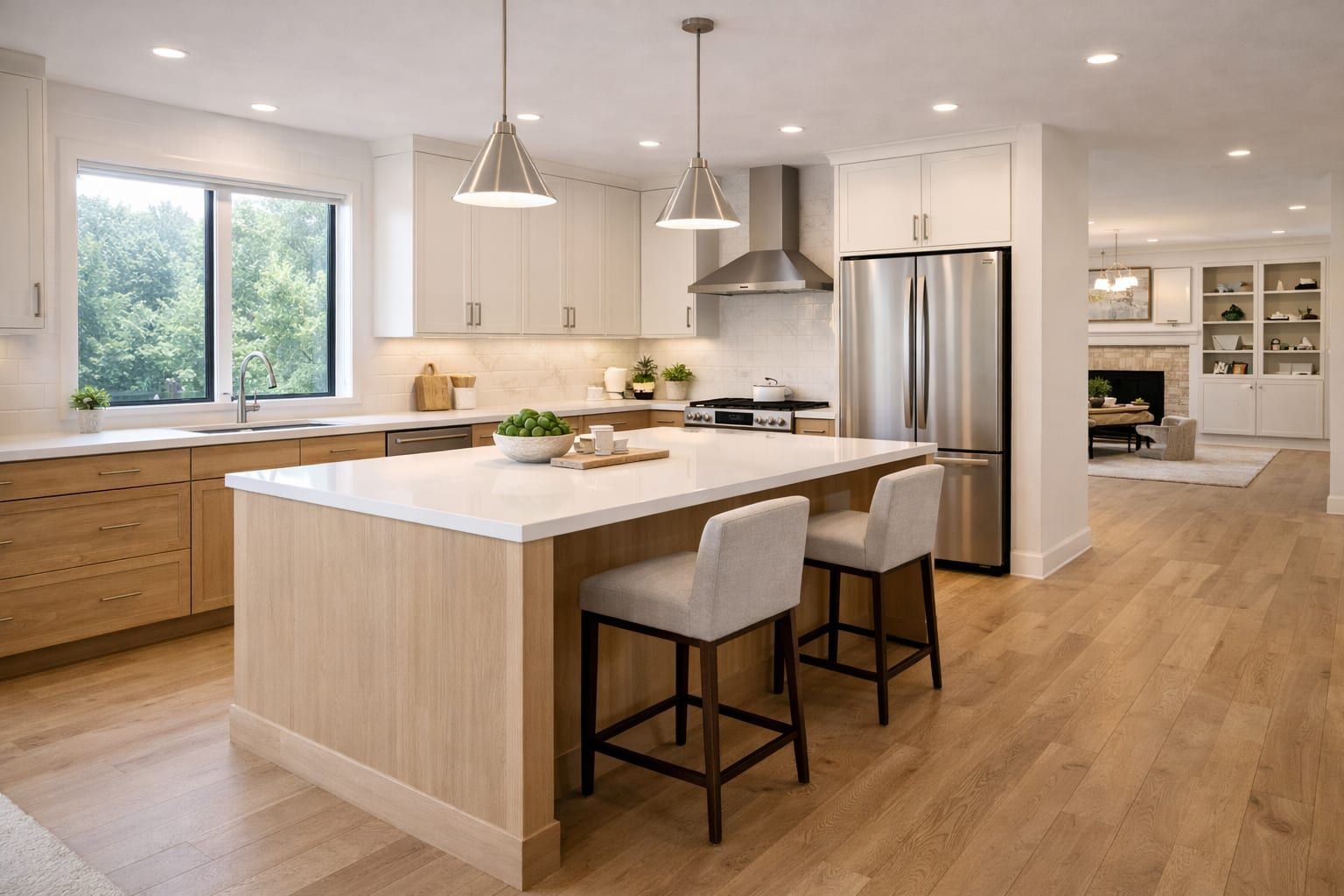
Painting can create a major visual change without turning the kitchen into a full replacement project. It works especially well when the real kitchen pain points are finish-related rather than layout-related.
2. When replacement makes more sense
Replacement is usually the better call when:
- the cabinet boxes are damaged, worn out, or poorly installed
- shelves, drawers, or door function are constantly frustrating
- the layout wastes space or creates appliance conflicts
- you want a different door configuration, storage setup, or island arrangement
- fillers, end panels, and alignment issues already make the kitchen feel patched together
If the core issue is function, new paint will not fix it. A fresh color can improve appearance, but it cannot solve a layout that never worked well in the first place.
Helpful related guide: Kitchen remodel order of work.
3. Check the cabinet boxes before you judge the finish
The decision is often hiding behind the doors.
Look for:
- water damage near the sink base
- sagging shelves or weak drawer hardware
- twisted or out-of-level boxes
- visible wear at hinge locations
- fillers, scribes, or exposed edges that already look compromised
If the boxes are solid and the main problem is color, sheen, or surface wear, painting may be enough. If the boxes feel tired or uneven, replacing doors alone or repainting the exterior may not create the result you want.
4. Door style and hardware should be part of the same decision
Some homeowners dislike their cabinets because of the finish. Others really dislike the door style, the drawer setup, or the hardware spacing.
Helpful questions:
- Do you actually like the current door style?
- Do you want knobs, pulls, or a different hardware layout?
- Are the drawer fronts and reveal lines consistent enough to highlight with a new finish?
- Will painted cabinets still look dated because the door profile itself is the issue?
If you want a more meaningful style change, replacement may be the cleaner route. If the door style still works, paint plus new hardware can be a strong upgrade.
Helpful related guide: Cabinet hardware placement guide.
5. Painting and replacement create different kitchen sequences
Painting existing cabinets usually emphasizes:
- prep
- cleaning and surface correction
- primer and finish strategy
- hardware removal and reset
- protecting adjacent counters, floors, and walls
Replacement usually emphasizes:
- measurement and ordering
- removal and install sequencing
- level runs and gap consistency
- countertop coordination
- backsplash and trim timing after the new layout is set
This is why the cabinet decision should happen early. It affects the rest of the kitchen plan, not just the cabinet line item.
Helpful companion page: Kitchen updates.
6. Think about the whole kitchen, not just the cabinet faces
Cabinets do not live in isolation. Ask what else changes if you paint vs. replace:
- Will the countertop still make sense visually?
- Does the backsplash need to change too?
- Do wall colors and trim still support the new look?
- Will appliance spacing or panel details feel more obvious after the update?
Sometimes painting is the right move because the rest of the kitchen is staying. Sometimes replacement is the right move because several kitchen elements are already being redone and the cabinet layout is part of that larger reset.
7. What to send for a faster cabinet recommendation
Usually this is enough:
- one wide photo of the full kitchen
- straight-on photos of the main cabinet runs
- close-ups of damage, peeling, wear, or problem areas
- notes about what feels wrong now: color, layout, storage, hardware, or all of the above
- product links or inspiration photos if you already have a target look
If the kitchen is part of a broader update, mention backsplash, counters, floors, and paint too.
FAQs
Is painting cabinets always cheaper than replacing them?
Painting is usually the lighter project, but the smarter question is whether painting solves the real problem. If the layout and box condition are the issue, the lower-scope option may not create the result you want.
Can you paint cabinets if the layout is awkward?
You can, but that only changes the finish. If the storage and spacing problems are what bother you most, replacement is usually the more honest solution.
What usually pushes a project toward replacement?
Damaged boxes, poor alignment, dated door styles the homeowner no longer likes, and storage/layout problems that color alone will not fix.
What helps you recommend one direction faster?
Wide kitchen photos, close-ups of the cabinet condition, and a short note about whether the problem is mostly style, mostly function, or both.
Next steps
If you are deciding the cabinet direction as part of a larger kitchen plan, read Kitchen remodel order of work.
If you are ready to send the kitchen scope now, use Request a quote.
Need help planning the next step?
Share photos and rough measurements to get a clear yes/no on fit and the right follow-up.