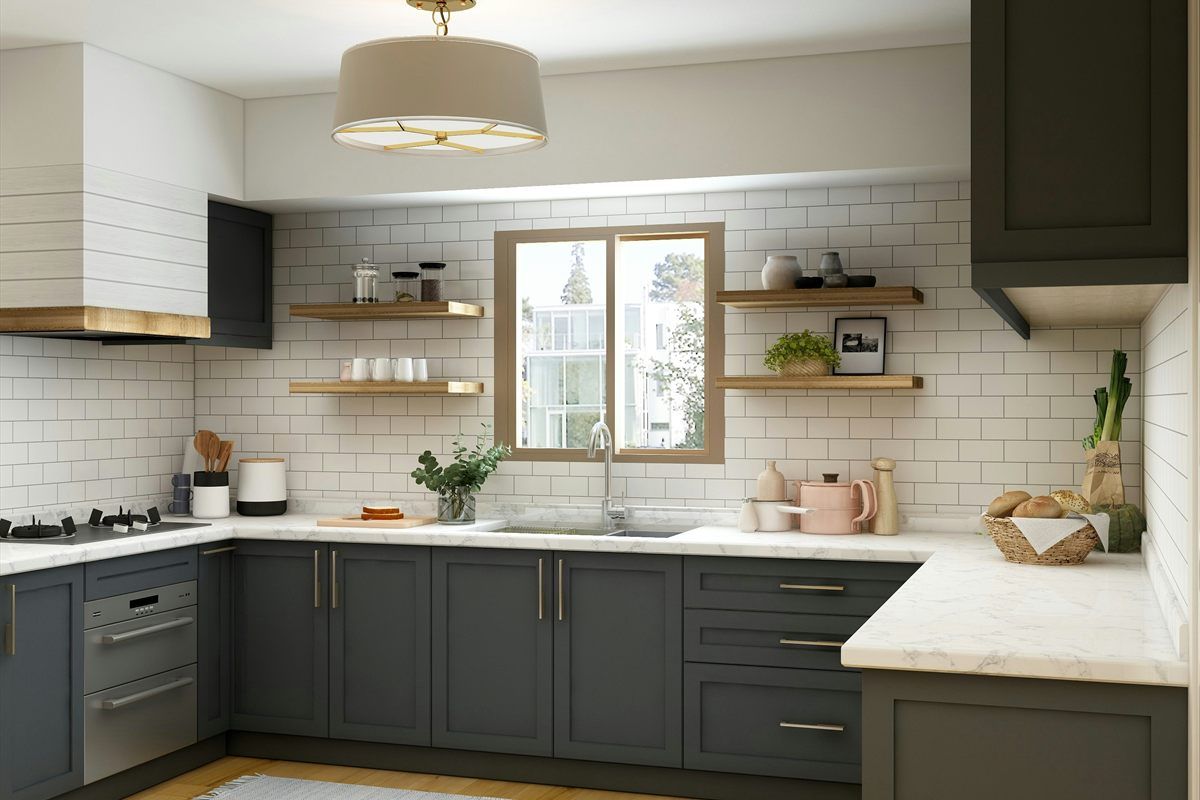
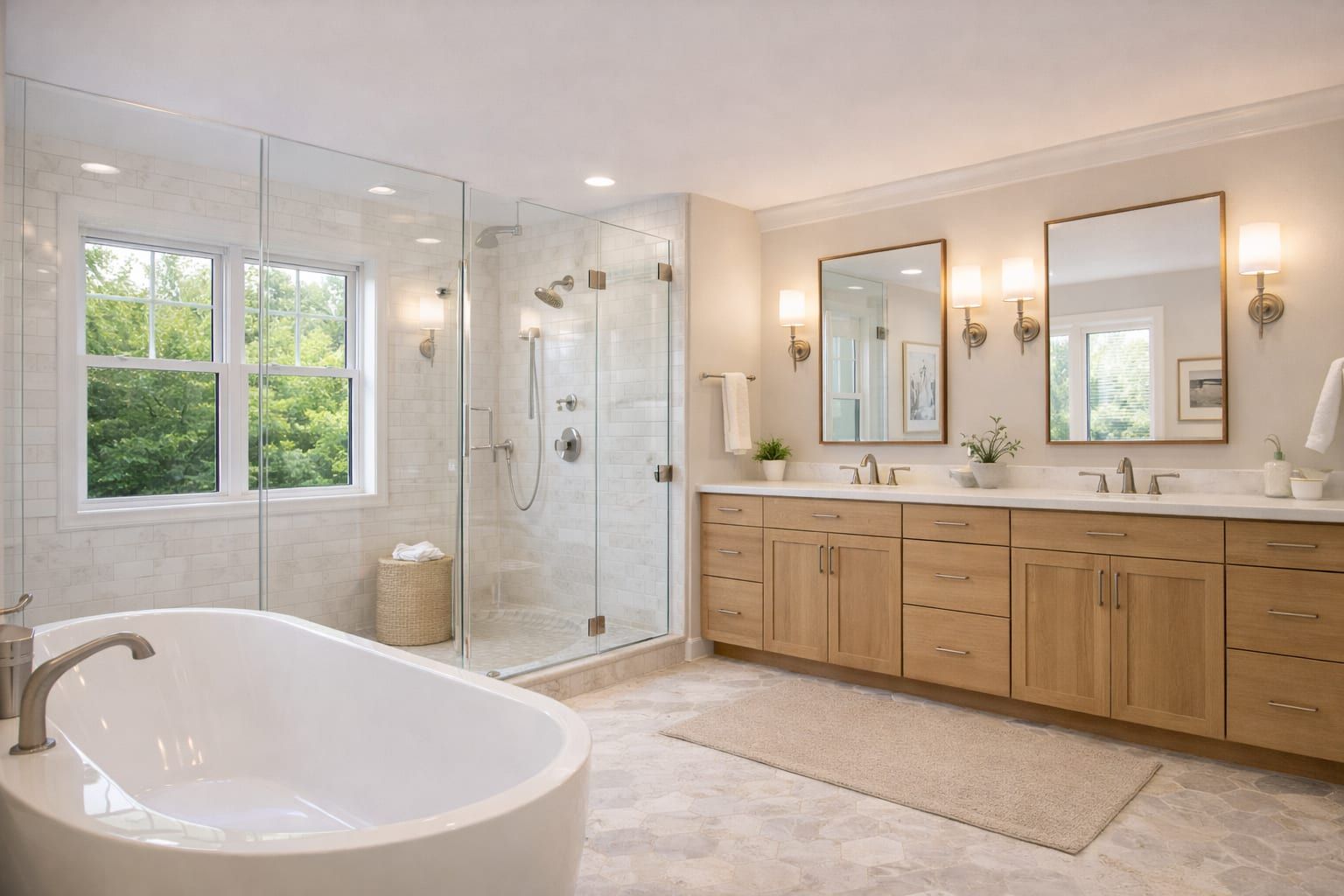
Cabinet installation has a reputation for being “just install and done,” but good installs involve planning, careful layout, leveling, and finish details. If you’re coordinating multiple updates (paint, flooring, tile backsplash), understanding a realistic cabinet timeline helps prevent schedule conflicts and last-minute surprises.
This guide explains what typically happens from cabinet delivery through installation and finish details. If you’re in the Greater Lexington, KY area and coordinating multiple finish updates, a timeline plan early can prevent scheduling conflicts later.
Quick takeaways
- Prep drives timeline. Walls, floors, and layout realities set the pace.
- Leveling is not optional. The goal is straight, clean cabinet lines even in imperfect rooms.
- Coordination matters. Flooring, paint, and tile work should be sequenced thoughtfully.
- Finish details take time. Trim, fillers, and hardware decisions affect the final look.
1) Before delivery: confirm what’s included and layout
Before cabinets arrive, confirm:
- Final layout
- Appliance specs and clearances
- Sink location and plumbing realities
- Any required wall repairs
If walls need repair, planning drywall early helps keep the install smooth: Drywall.
1a) Decisions that can change timeline (make them early)
Cabinet timelines often stretch because of late decisions. The most common timeline drivers are:
- Hardware selection (and whether it’s in stock)
- Fillers and end panels (what “finished” means in your space)
- Appliance specs and final clearances
- Paint coverage (walls only vs walls + trim, and what happens behind cabinets)
- Backsplash plan (tile edges and where tile stops)
If you decide these early, the install phase is more predictable and requires fewer last-minute adjustments.
2) Delivery and staging
Cabinet delivery often requires:
- Clear staging space
- Protection for floors and pathways
- A plan for damaged items (if any) to be addressed before install
Staging well reduces install-day delays.
2a) Delivery day checklist (simple, but worth it)
When cabinets arrive, a quick check helps prevent schedule problems later:
- Confirm the correct pieces arrived (major boxes at least).
- Set damaged items aside and document them.
- Keep hardware and small parts together in one labeled place.
- Make sure the install path is clear (doorways, stairs, narrow halls).
If the space is occupied, plan where cabinets will be staged so the home remains usable.
3) Prep: wall and floor readiness
Common prep needs include:
- Removing old cabinets (if applicable)
- Repairing wall damage
- Confirming floor level and wall plumb
Cabinets can be shimmed to level, but extreme conditions can add time.
3a) Old cabinet removal and wall condition
If old cabinets are being removed, the wall behind them may have:
- Missing paint
- Damaged drywall paper
- Adhesive residue
- Uneven surfaces from past work
This is normal. The important part is deciding what “ready” means before new cabinets go in. If painting is part of the plan, this is a good time to coordinate repairs and primer strategy: Painting.
4) Base cabinet install: the foundation line
Base cabinets set the reference line for:
- Countertops
- Appliance openings
- Toe-kick alignment
The key is a level, straight base line—even if the floor is not perfectly level.
4a) Why base cabinets take time (and why it matters)
Base cabinets set the reference line for everything that follows. A quality install typically includes:
- Finding a consistent reference line in an imperfect room
- Shimming so cabinets sit level
- Securing cabinets so the line stays consistent
If the base run is rushed, the problems show up later: countertops may look off, doors may not align well, and gaps can become harder to hide with trim.
5) Wall cabinets: alignment and sightlines
Wall cabinets are highly visible. Planning includes:
- Consistent heights
- Alignment across runs
- Managing out-of-plumb walls so gaps are minimized
5a) Planning around windows, corners, and soffits
Wall cabinets often run into real-world constraints:
- Window trim that isn’t symmetrical
- Corners that are not square
- Soffits or bulkheads that limit height
This is where fillers and finish panels often become important. If you care about a clean, built-in look, plan these details early rather than treating them as optional add-ons.
6) Fillers, panels, and finish trim
Finish details often include:
- Fillers at walls and corners
- End panels for exposed sides
- Crown molding (if used)
These are the details that make cabinets look built-in rather than “dropped in.”
6a) Countertops and backsplash timing (the common sequence)
Many projects follow this general sequence:
- Base cabinets installed and secured.
- Countertops measured/templated after cabinets are in place.
- Countertops installed.
- Backsplash installed after countertops.
If you’re planning tile for the backsplash, edges and layout planning make a big difference: Tile backsplash planning.
7) Hardware and adjustments
Hardware selection and placement affect the feel and look. Door and drawer adjustments are part of a quality finish.
For hardware planning guidance, see: Cabinet hardware placement guide.
8) Coordination with other finishes
Cabinet projects commonly intersect with:
- Painting: walls and trim around cabinets. Painting
- Backsplashes: tile edge planning and sequencing. Tile installation
- Flooring: finished heights and transitions. Vinyl flooring
Sequencing is a major quality lever. See how we approach coordination: Our process.
8a) A realistic timeline mindset (avoid false precision)
Homeowners often ask, “How many days will it take?” The honest answer depends on:
- How many cabinets and how complex the layout is
- Wall and floor conditions
- How much finish trim and filler work is included
- How many other trades are involved (countertops, tile, paint, flooring)
Instead of assuming an exact day count, plan for phases:
- Prep and readiness
- Install and alignment
- Finish details and adjustments
- Countertop/backsplash coordination (if included in the overall project plan)
8b) Example schedule (sample timeline)
Every home is different, but an example cabinet project plan can look like this:
- Phase 1: prep and decisions (before install week) - confirm layout, hardware plan, appliance specs, and staging.
- Phase 2: site readiness (early install week) - protect floors, remove old cabinets if applicable, repair walls as needed.
- Phase 3: cabinet installation (mid install week) - base cabinets first, then wall cabinets, then fillers/panels.
- Phase 4: adjustments and finish details (end of install week) - align doors/drawers, confirm consistent gaps, and clean finish lines.
- Phase 5: countertop and backsplash coordination (as scheduled) - countertops measured and installed, then backsplash installed after counters.
The main point: the “install” is only one part of the timeline. Planning and finish details are what turn the project into a clean, finished result.
9) FAQs
Should painting happen before or after cabinets?
It depends. Often, prep painting before cabinets can reduce cut work, but some finish paint is best done after cabinets are installed for clean lines. It’s a planning decision.
Do cabinets have to wait on countertops?
Countertops typically come after base cabinets are installed and secured. Timing depends on the countertop provider’s schedule and measurement requirements.
How can I keep the project moving?
Make decisions early: layout, hardware, backsplash plan, and paint plan. Delays usually come from late decisions.
What should I do if I’m living in the home during the install?
Plan for disruption, especially in kitchens. Set up a temporary food and dish zone, plan pet space away from work areas, and keep a clear pathway for deliveries and install work. A staging plan reduces stress for everyone.
When should I choose hardware?
As early as you reasonably can. Even if you don’t install hardware immediately, knowing the hardware style and finish helps keep the plan consistent and prevents last-minute choices.
Should cabinets go in before flooring?
It depends on the flooring type and the project plan. In some layouts, flooring goes in first; in others, cabinets go in first and flooring is installed around them. The important thing is to plan finished heights, transitions, and appliance clearances so you do not create avoidable rework later.
10) Quote checklist: what to send for accurate planning
If you want a cabinet install estimate to go smoothly, these details help:
- Cabinet plan (supplier layout or sketch)
- Photos of each wall and each corner
- Notes about floors (out of level, soft spots) and walls (plumb issues)
- Appliance list and specs
- Timeline goals and access notes (occupied vs vacant)
If you don’t have all of it, start with photos and your best description of what’s included. The goal is to remove guesswork early.
Next steps
- Cabinet service details: Cabinet installation
- Planning overview: Cabinet installation planning guide
- Start a quote request: Request a quote
Need help planning the next step?
Share photos and rough measurements to get a clear yes/no on fit and the right follow-up.