Built-In Shelving Planning Guide
Built-in shelving adds function, storage, and a custom feel to any space. But unlike freestanding furniture, built-ins are permanent—measurements, materials, and finish details need to be planned carefully before installation begins.
Quick takeaways
- Measure at multiple points. Walls and ceilings are rarely square; use the smallest dimension and plan for scribing or filler.
- Account for baseboards and trim. Decide up front whether to remove or scribe around them.
- Plan shelf span and support. 3/4” material has limits; add support or thicker stock for long spans.
- Choose materials for use and finish. Plywood, MDF, solid wood, and melamine each have tradeoffs for strength and look.
Measuring for Built-Ins
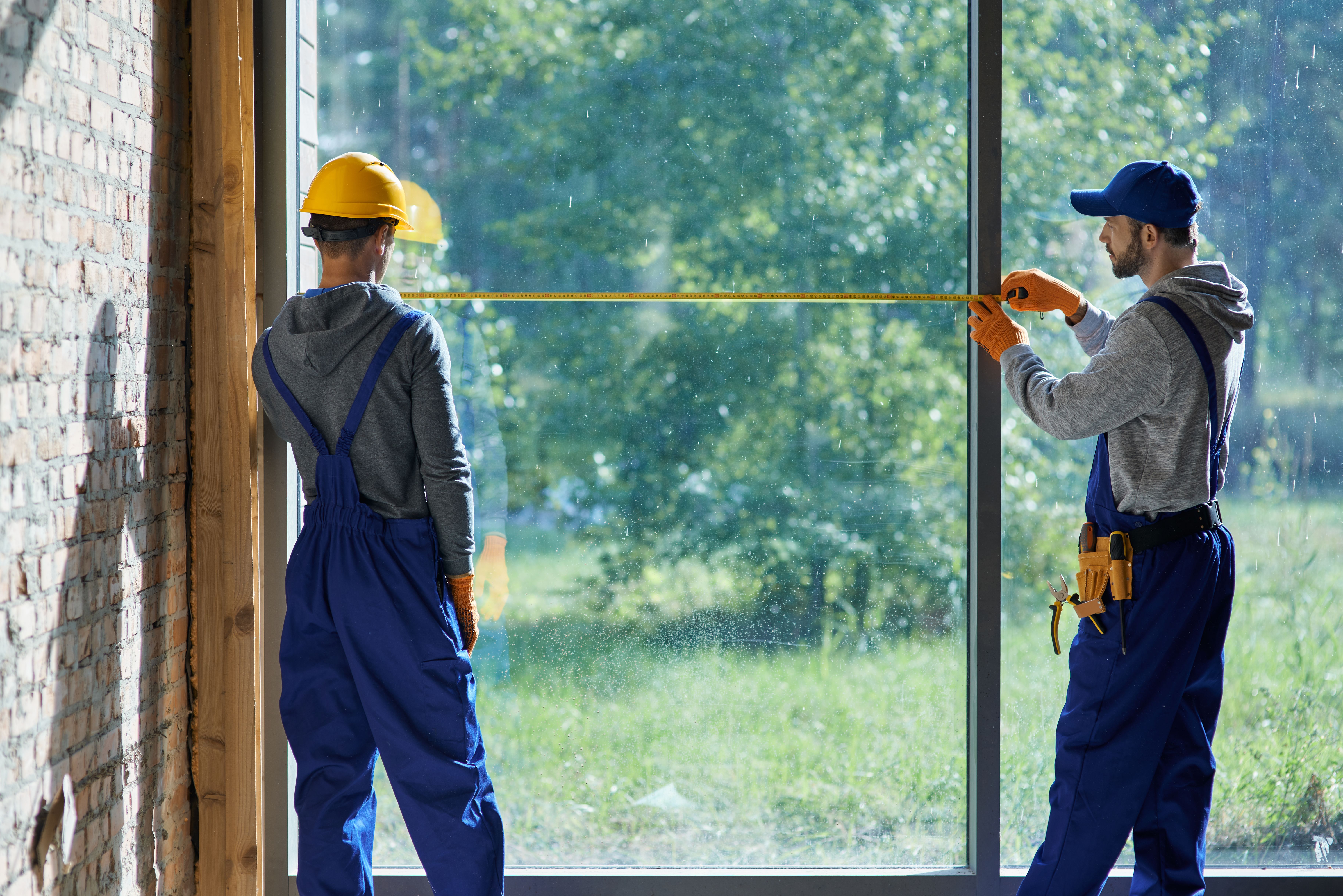
Walls are rarely square or plumb
- Measure width at top, middle, and bottom
- Measure height at left, middle, and right
- Note the smallest dimension (that’s your working size)
- Plan for scribing or filler strips to accommodate out-of-square walls
Account for baseboards and trim
- Decide: remove baseboard or scribe around it?
- Removing baseboards creates cleaner lines
- Scribing around baseboards is faster but adds detail work
Ceiling height variations
- Ceilings often slope or dip
- Full-height built-ins need flexible top details
- Crown molding or scribing hides ceiling gaps
Shelf Span and Support
Maximum shelf spans (without center support):
- 3/4” plywood or solid wood: 32-36”
- 3/4” MDF: 24-28”
- 3/4” melamine: 28-32”
For longer spans:
- Add center support (vertical divider)
- Use thicker material (1” or 1-1/2”)
- Add edge banding (stiffens the shelf)
- Use metal brackets or corbels
Shelf sag over time:
- Books are heavy (up to 50 lbs/ft for paperbacks)
- Plan for full load, not empty shelves
- Adjustable shelf pins allow future changes
Material Selection
Plywood
- Strong and stable
- Edge banding required for finished look
- Good for painted or stained built-ins
- Common types: birch, oak, maple-faced
MDF
- Smooth surface, paint-ready
- Heavier than plywood
- Not suitable for long spans without support
- Edge banding optional (depends on finish)
Solid Wood
- Traditional choice for stained work
- More expensive than plywood
- Requires planning for wood movement
- Best for face frames, not large panels
Melamine/Laminate
- Pre-finished surface (white or wood-grain)
- No painting required
- Clean, modern look
- Edges need banding or trim
Built-In Styles
Floor-to-Ceiling
- Maximizes storage
- Requires careful ceiling scribing
- Often uses crown molding at top
- Base typically matches room baseboard
Between Two Walls (Alcove)
- Fits existing space
- Scribing required on both sides
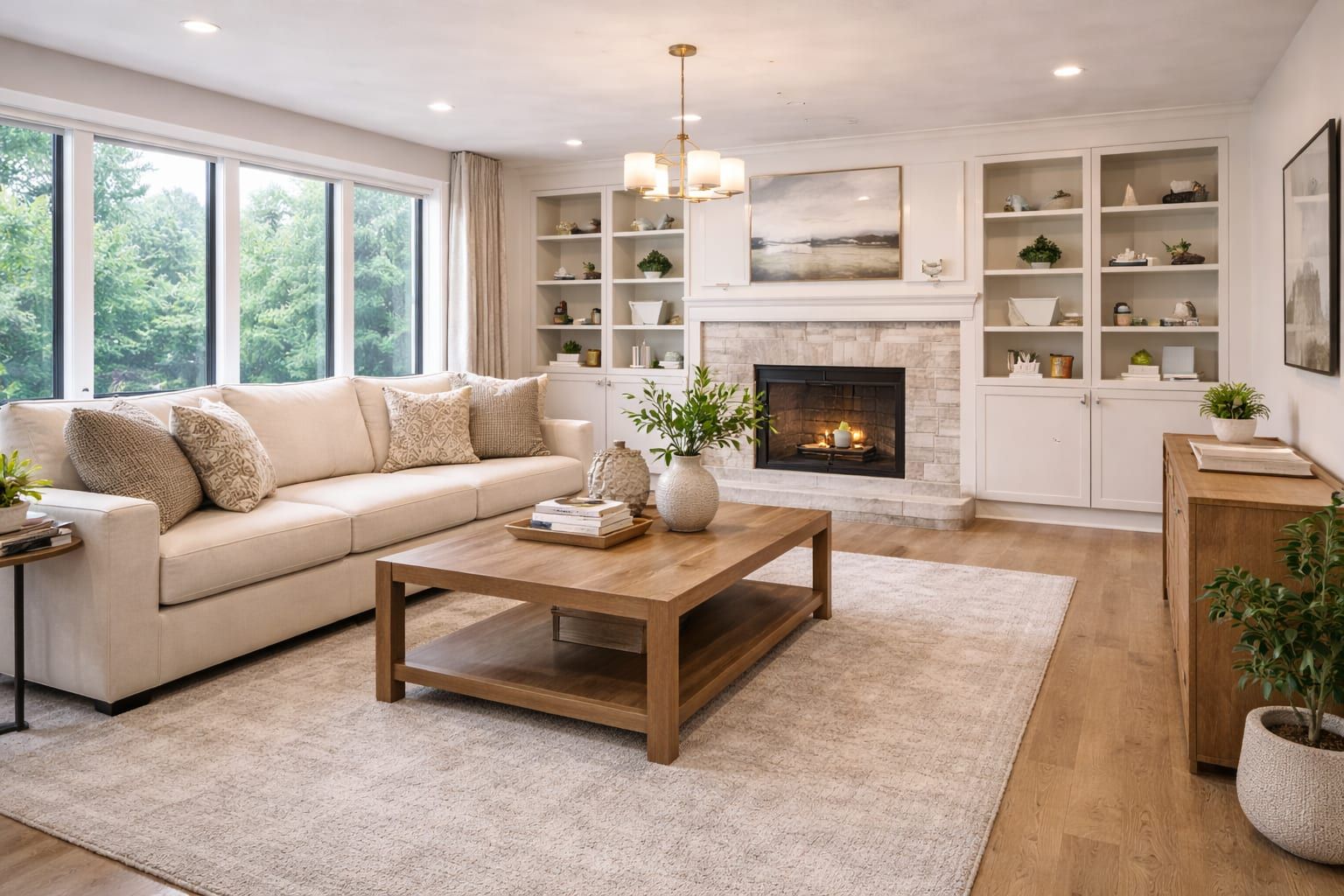
- Can include cabinets below, shelves above
- Face frame helps square up opening
Floating Shelves
- Modern, minimalist look
- Strong hidden brackets required
- Best for lighter loads (decor, not books)
- Wall studs or blocking essential
Bookcase with Base Cabinet
- Lower cabinets hide clutter
- Open shelves for display above
- Counter-height surface for workspace
- Common in home offices and living rooms
Depth Planning
Standard depths:
- Books: 10-12” (paperbacks and most hardcovers)
- Binders and large books: 12-14”
- Display and decor: 8-10”
- TV/media components: 16-20”
Too shallow:
- Items fall off or look crowded
- Limited function
Too deep:
- Wastes space (can’t reach back)
- Items get lost in back rows
- Consider pull-out shelves if deep storage needed
Finish and Paint Planning
Painted Built-Ins
- MDF or plywood with quality primer
- Caulk all seams before painting
- Two finish coats minimum
- Semi-gloss for durability and cleaning
Stained Built-Ins
- Solid wood or hardwood plywood
- Pre-finish before installation when possible
- Match existing wood tones or go darker
- Clear coat for protection
Two-Tone Finish
- Painted frame, stained shelves (or vice versa)
- More work but creates visual interest
- Plan finish sequence carefully
Hardware and Accessories
Shelf Support Options:
- Fixed shelves (strongest, least flexible)
- Adjustable pins (most flexible, slightly less strong)
- Metal standards and brackets (utilitarian look)
Doors and Drawers:
- Lower cabinets often include doors
- Soft-close hinges worth the extra cost
- Drawers require slides and careful sizing
Lighting:
- LED strip lights popular for display shelves
- Plan wiring before drywall/paint
- Puck lights for accent lighting
- Battery-powered options if no electrical
Common Planning Mistakes
Not planning for outlets
- Cover them up and lose function
- Better: relocate outlet or cut access hole
- Plan before built-in installation
Ignoring wall anchoring
- Tall built-ins must be anchored to studs
- Tip-over hazard, especially with kids
- Use L-brackets at top, hidden behind crown
Forgetting about access
- Can you get furniture in/out after built-in installed?
- Will you be able to paint behind it later?
- Is there access for future repairs?
Not considering room function changes
- Built-ins are permanent
- Future buyers may have different needs
- Neutral styles age better than trendy
Cost Considerations
DIY Material Costs (approximate):
- Plywood built-in (8’ wide x 7’ tall): $300-600 materials
- MDF painted built-in: $200-400 materials
- Pre-finished melamine: $400-700 materials
- Hardware, paint, and supplies: +$100-300
Professional Installation:
- Simple painted built-in: $1,500-3,000
- Complex multi-section with cabinets: $3,000-8,000
- Custom hardwood built-ins: $5,000-15,000+
Timeline
DIY (8’ wide x 7’ tall built-in):
- Planning and cutting: 4-8 hours
- Assembly and installation: 8-16 hours
- Finishing (caulk, fill, paint): 8-12 hours
- Total: 3-5 days (with drying time)
Professional:
- Measure and design: 1-2 hours
- Fabrication: 1-3 days (off-site)
- Installation: 1-2 days
- Finishing: 1-2 days
- Total: 1-2 weeks (depending on complexity)
Questions to Ask Before Building
- What will you store (books, media, decor)?
- Do you need adjustable shelves or fixed?
- Paint or stain finish?
- Do you want doors on lower cabinets?
- Lighting needed?
- Will it match existing trim and style?
- How will you handle out-of-square walls?
When to Hire a Pro
- Complex designs with cabinets and drawers
- Stained hardwood built-ins
- Full wall or floor-to-ceiling installations
- If you don’t have table saw, miter saw, and finishing tools
- When perfect fit and finish are critical
Built-ins are an investment in your home’s function and value. Plan measurements carefully, choose materials that fit your finish goals, and think through hardware and accessories before the first board is cut. A well-planned built-in looks custom, fits perfectly, and serves you well for years.
Need help planning the next step?
Share photos and rough measurements to get a clear yes/no on fit and the right follow-up.