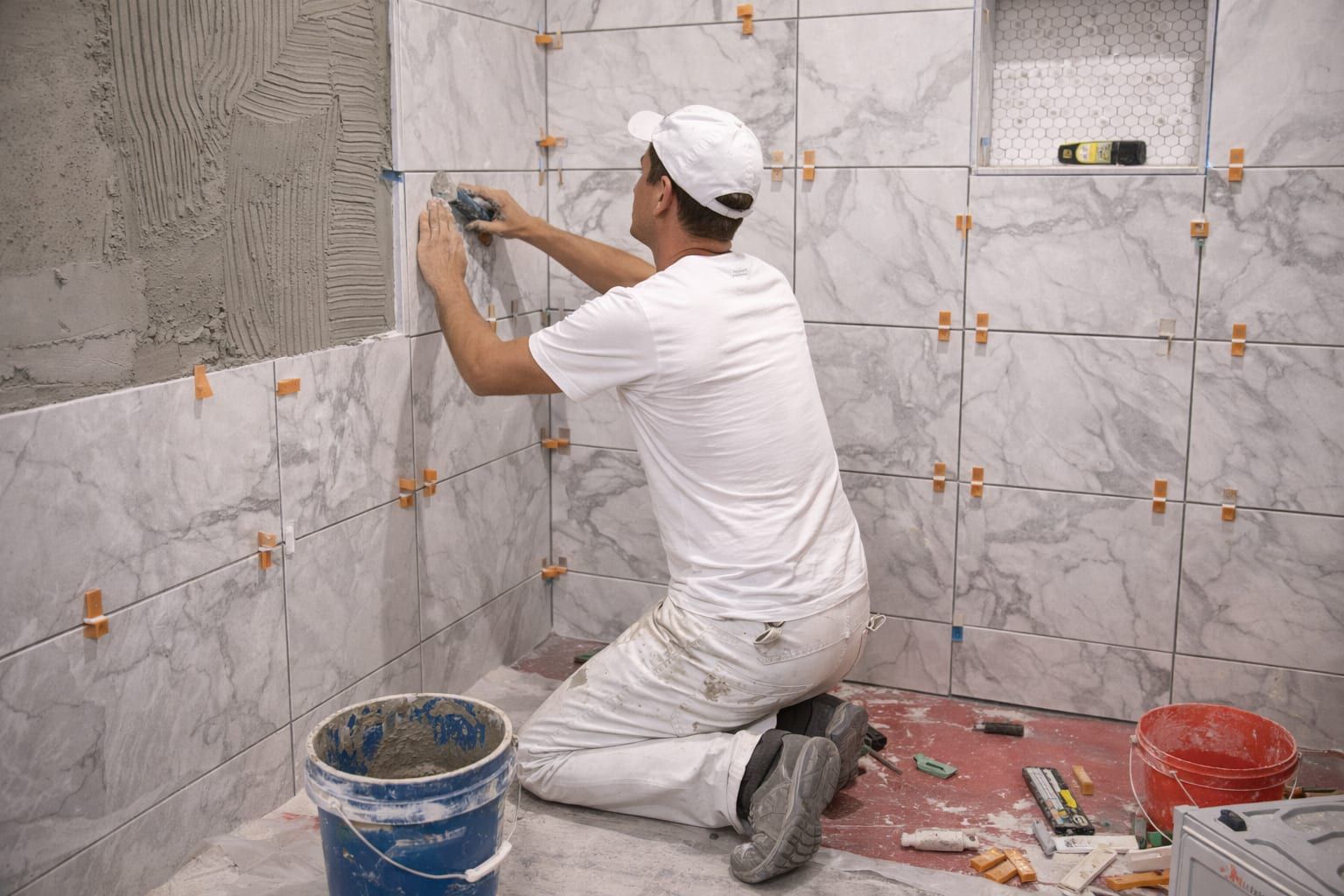
Bathroom remodels feel different when the home has only one working bathroom. The timeline is no longer just about the room. It is about keeping daily life manageable while still giving the work enough time to be done cleanly.
In a one-bath home, the fastest-looking plan is not always the best plan. The better plan is the one that protects the wet-area sequence, keeps product delays from stalling the room, and avoids rushing grout, caulk, paint, or fixture decisions because the bathroom is urgently needed again.
Quick takeaways
- One-bath remodels need a downtime plan first. The room should be planned around what has to stay functional and when.
- Product decisions matter earlier in one-bath projects. Vanity, toilet, tile, fixtures, trim, and paint choices should be settled sooner than many homeowners expect.
- Wet-area steps control the real timeline. Demolition, prep, waterproofing, tile, grout, caulk, and cure windows cannot be compressed indefinitely without risking the result.
- A one-bath remodel often benefits from partial phasing. Sometimes the cleanest plan is to limit the first phase or group the scope carefully instead of forcing everything at once.
1. Start by defining the minimum function you need
In a one-bath home, the first planning question is not “How long does the remodel take?”
It is:
- How long can the room be fully out of service?
- What has to come back online first?
- Are there kids, guests, or mobility needs affecting the plan?
- Is there another temporary restroom option nearby?
Those answers shape the sequence more than generic timeline guesses do.
Helpful companion page: Bathroom updates.
2. Set the products before the room is opened up
One-bath bathroom projects usually go better when the selections are mostly settled early:
- vanity
- top and sink configuration
- faucet and shower trim
- toilet
- tile
- grout direction
- mirror and lighting
- paint and trim plan
Why this matters:
- a missing vanity can stall the room
- a delayed tile choice can stop the wet-area sequence
- a changed faucet or sink plan can shift rough fit decisions
- finish changes late in the job often create more downtime, not less
Helpful related guide: Bathroom vanity replacement planning guide.
3. Wet-area steps are what usually control the timeline
For bathrooms with shower, tub-surround, or significant tile work, the sequence usually includes:
- demolition and condition checks
- substrate and repair work
- waterproofing or wet-area prep
- tile installation
- grout and cure time
- final sealant and closeout details
That is why one-bath timelines feel tight. Even when labor moves efficiently, the room still has steps that need honest timing.
If the project includes hidden repair work or moisture issues, those should be treated as real scope drivers, not as side notes.
Helpful related guide: Bathroom remodel cost drivers in Lexington.
4. Vanity, toilet, flooring, and paint need to be sequenced around use
In many one-bath homes, the practical questions are:
- when can the toilet come back?
- when can the vanity be installed?
- when does the floor become usable?
- when can the room handle normal traffic again?
That is why a one-bath remodel often depends on the room mix:
- a vanity-only refresh is different from a shower-heavy scope
- flooring and paint timing are different from waterproofed tile timing
- accessory installs and touch-ups belong near the end, not in the middle of disruption
The cleaner the scope definition, the easier it is to explain a realistic sequence.
Helpful related page: Bathroom remodeling.
5. Cure windows are part of the timeline, not an optional delay
Bathrooms involve finishes that need time:
- grout
- caulk
- paint
- some adhesives and setting materials
If a one-bath home is pushing for faster return-to-use, that should be discussed honestly during planning. The goal is not to make the room unavailable longer than necessary. The goal is to avoid using the room too early and creating preventable closeout problems.
This matters even more in a one-bath home because the temptation to rush the final handoff is stronger.
6. Sometimes a partial phase is the smarter one-bath strategy
Some one-bath homeowners are better served by a narrower first phase:
- vanity, paint, and hardware
- flooring plus trim and touch-ups
- shower or wet-area work as the primary scope
- selective updates that solve the biggest daily-use problems first
That can be smarter than forcing a broader bathroom reset into one compressed timeline.
If the room needs deeper wet-area work, the cleaner plan is often to define the high-priority scope honestly instead of trying to disguise a complex bathroom as a quick cosmetic update.
7. What to send for a faster one-bath bathroom quote
Usually this is enough:
- wide room photos
- close-ups of the shower, tub, vanity, and floor
- rough measurements if you have them
- notes about what must stay functional as long as possible
- product links for tile, vanity, fixtures, or paint if selected
- your deadline and whether the bathroom is the only one in the home
That last detail matters. If it is the only bathroom, say that early.
FAQs
How long does a bathroom remodel take in a one-bath home?
It depends on the scope. A finish refresh is different from a shower-heavy remodel. The real drivers are wet-area prep, product readiness, and how soon the room has to come back into service.
What slows one-bath bathroom projects down most often?
Late product decisions, hidden moisture or repair issues, and trying to compress wet-area steps that still need proper prep and cure time.
Can a one-bath bathroom remodel be phased?
Often, yes. In some homes, a narrower first phase or a carefully grouped scope is more practical than trying to do every update at once.
What helps the quote go faster?
Photos, rough measurements, selected product links, and a clear note that this is the only bathroom in the home.
Next steps
If you are planning a one-bath update, start with Bathroom updates.
If you want to send the scope, photos, and timing now, use Request a quote.
Need help planning the next step?
Share photos and rough measurements to get a clear yes/no on fit and the right follow-up.